

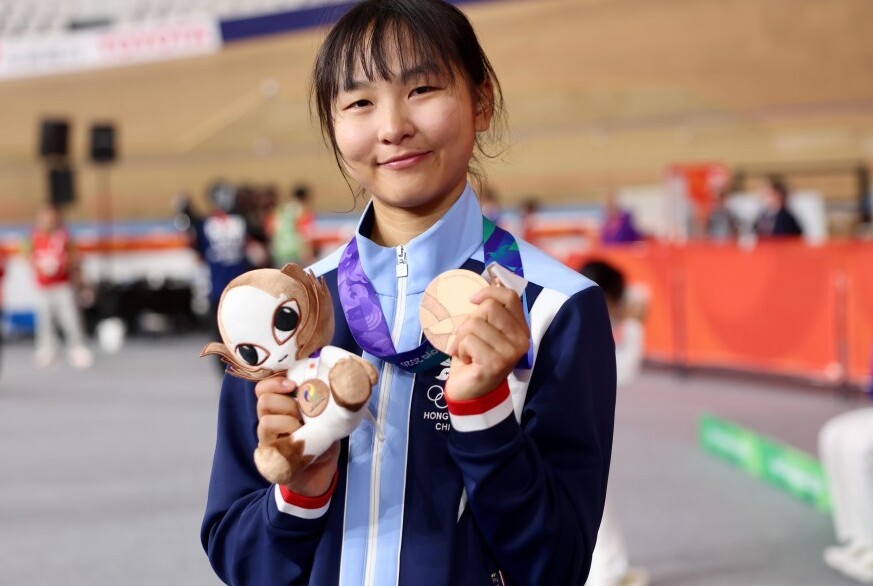
Hong Kong cyclist Ceci Lee Sze wing secured a bronze medal in the women’s omnium on Friday after a demanding final points race ended her hopes of retaining the silver she won at the previous Asian Games. Lee finished with 124 points, nine behind Kazakhstan’s Rinata Sultanova, while Japan’s Yumi Kajihara claimed gold.
The result gave Lee her second medal of the Games after she also won silver in the Madison. Her two medals helped Hong Kong’s cycling squad finish the tournament with three silver medals and two bronze medals.
Lee entered the final race in a strong position after three events. She had collected 112 points from the scratch, tempo and elimination races, leaving her second in the standings and only four points behind Kajihara.
That position gave the Hong Kong rider a realistic chance of fighting for gold or silver heading into the final test. The points race, however, changed the standings dramatically.
Four Races Decide the Omnium
The women’s omnium demands consistency across four different track cycling events held on the same day. Riders earn points throughout the competition, and the cyclist with the highest cumulative total at the end takes the gold medal.
The format tests more than raw speed. Riders must manage their energy across several races while responding to different tactical situations. A strong start can put a cyclist in medal contention, but the final points race can still reshape the entire podium.
Lee handled the opening three races well.
Her performances in the scratch, tempo and elimination events placed her second with 112 points. She was close enough to Kajihara to remain within striking distance of the gold medal and had also created some distance from riders behind her.
The final race carried a different challenge.
Final Points Race Changes the Podium
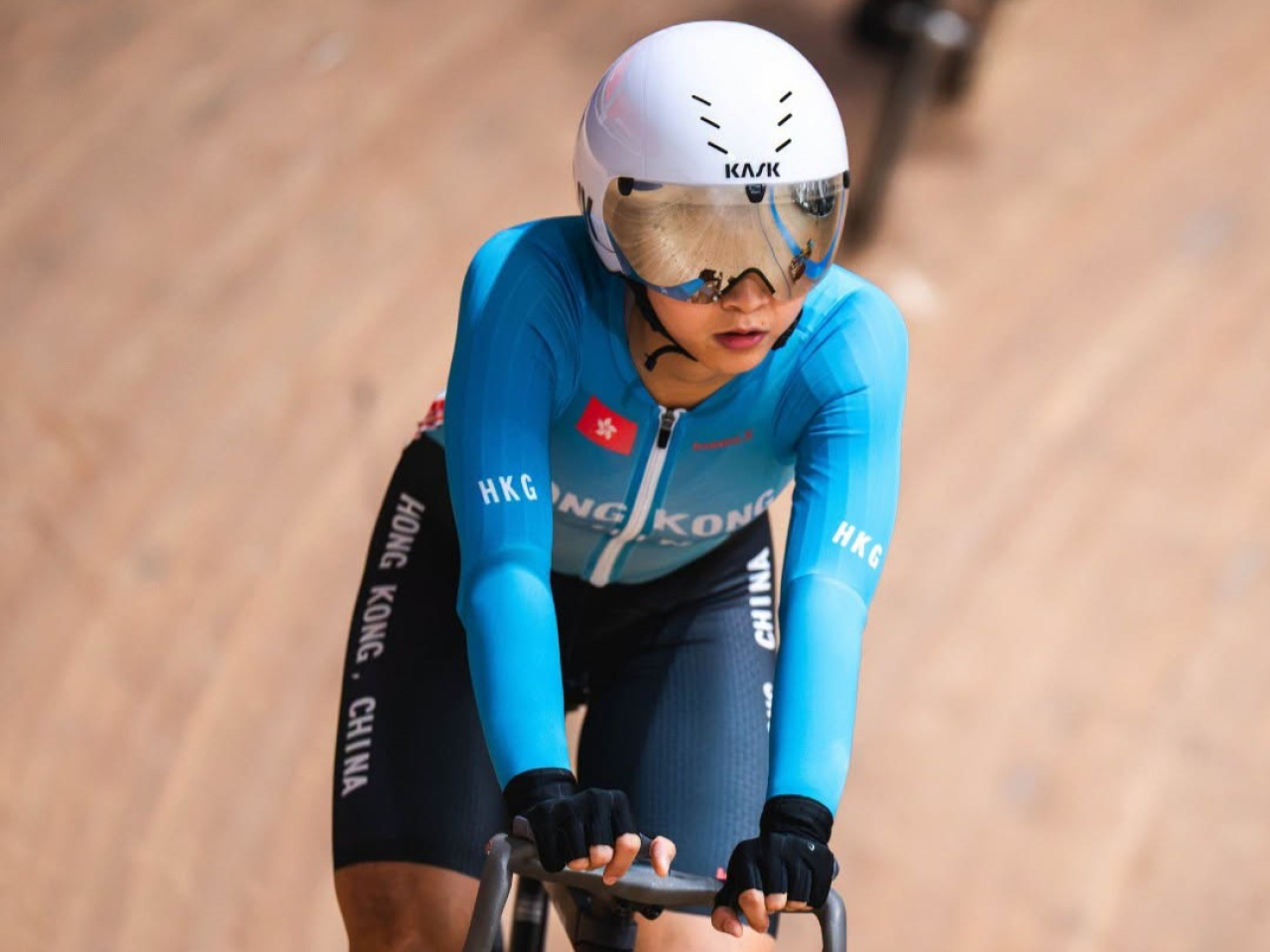
The 80 lap points race became the deciding stage of the competition.
During the race, cyclists can collect additional points through sprint laps held every 10 laps. The top four riders in those sprints receive points, while riders can also gain a larger number of points by taking a lap on the main field.
That scoring system can quickly alter the overall standings, particularly during the closing stages when riders have already completed three demanding races.
Sultanova used that opportunity effectively.
The Kazakhstan rider produced a late surge and collected 27 points during the final stretch of the race. Her strong finish moved her ahead of Lee and secured the silver medal.
Lee added 12 points to her total during the points race. Those points were enough to keep her on the podium, but they could not match Sultanova’s late scoring run.
China’s Chen Ning also mounted a challenge for the final podium position. Lee held on, finishing nine points behind Sultanova and securing bronze with 124 points.
Kajihara maintained her position at the top and took the gold medal for the host nation.
Lee Falls Short of Silver After Strong Start
Lee’s final result was particularly significant because she had already reached the podium in the same event at the Hangzhou Games, where she won silver.
This time, she had planned her season with a greater focus on track cycling. Lee decided not to compete in the road races at the Games, allowing her to concentrate her preparation and energy on the track events.
The decision helped her arrive at the omnium with a clear focus, and her results across the first three races showed that she remained among the leading riders.
The points race exposed the gap between being in medal position and challenging for the top two places.
Lee later expressed frustration with her performance. She said her physical endurance became a problem during the final stage of the competition and acknowledged that she had experienced similar fatigue during the closing stages of previous races.
The issue was particularly disappointing because she had placed herself in a strong position before the final event.
With 112 points after three races, Lee was just four points behind Kajihara. The narrow gap meant that the gold medal remained within reach, while the silver also appeared secure if Lee could maintain her position through the final points race.
Instead, Sultanova produced the stronger finish.
Bronze Adds to Lee’s Two Medal Haul
Despite missing out on silver, Lee leaves the Games with two individual medals.
Her first came in the Madison, where she helped Hong Kong secure silver. The omnium bronze then gave her another podium finish in a demanding individual competition.
The two results also contributed to a productive tournament for Hong Kong’s cycling team.
The squad finished the Games with three silver medals and two bronze medals. Lee accounted for two of those medals, continuing her record of strong performances on the regional stage.
Her omnium result also showed the importance of endurance and race management in track cycling. Lee remained near the front throughout most of the competition, but the final 80 laps provided enough opportunities for rivals to change the order.
Sultanova took advantage of those opportunities when they mattered most.
Kajihara Reclaims Asian Games Omnium Gold
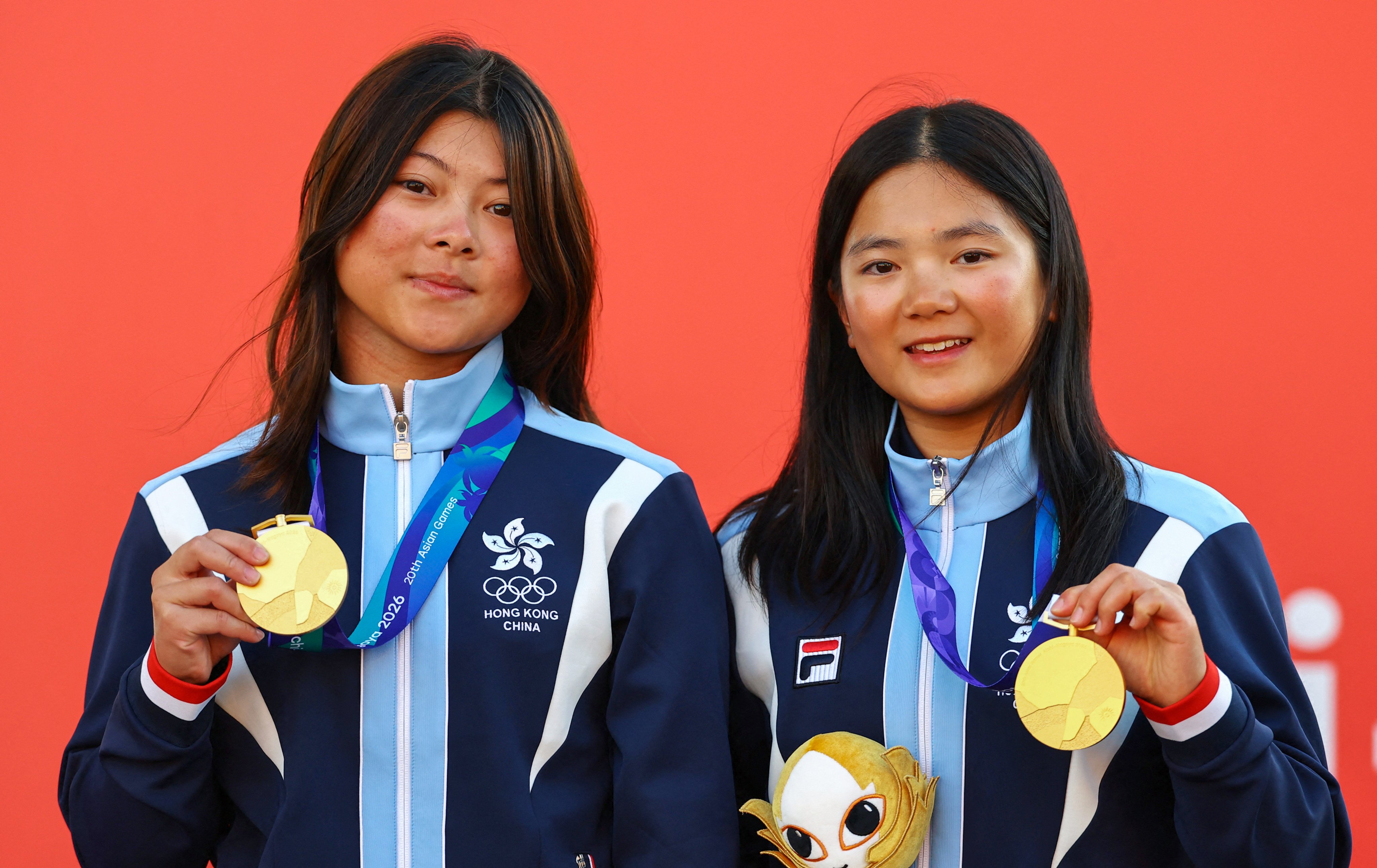
Kajihara finished at the top of the standings to reclaim the omnium gold medal she previously won at the Hangzhou Games three years ago.
Competing in front of the home crowd, the Japanese rider maintained her advantage through the final race and finished ahead of Sultanova and Lee.
For Lee, the narrow margins made the result a mixed outcome. She had remained within four points of the leader after three races and finished the competition with 124 points, but the late scoring from Sultanova prevented her from adding another silver medal to her collection.
The result nevertheless extends Lee’s medal record at the Games and gives Hong Kong another podium finish in track cycling.
Hong Kong Cycling Squad Finishes With Five Medals
Lee’s bronze brought Hong Kong’s cycling campaign to a close with five medals in total.
The squad collected three silver medals and two bronze medals across its events. Lee played a major part in that overall tally, taking silver in the Madison before adding bronze in the omnium.
Her performance also showed how quickly the standings can change in a multi race event. After three races, she was firmly in medal contention and within four points of the gold medal position. By the end of the 80 lap points race, Sultanova had overtaken her for silver, while Lee had done enough to protect third place from Chen Ning.
The bronze medal therefore came after a difficult final test rather than a collapse in the overall competition. Lee remained competitive across all four races and finished with 124 points.
Her comments after the event also point to an area she wants to address. She has experienced late race fatigue before and said she has yet to find a solution that consistently prevents the problem.
For now, Lee leaves the Games with two medals and Hong Kong’s cycling team returns home with five. The next step for the 25 year old track specialist will be turning the lessons from another demanding omnium into stronger endurance when the decisive laps arrive.
What do you think was the key factor behind Ceci Lee’s successful two medal campaign at the Games?