

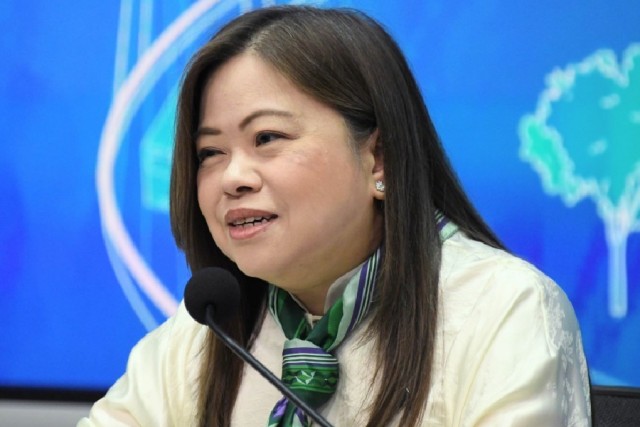
Hong Kong athletes delivered one of their strongest days at the 20th Asian Games, collecting six medals in a single day as swimming, triathlon and karate brought fresh success for the delegation. Secretary for Culture, Sports and Tourism Rosanna Law Shuk pui praised the athletes for their performances, saying their determination and fighting spirit had generated pride across the city.
The haul included two gold medals, one silver medal and three bronze medals, adding to Hong Kong’s campaign at the continental sporting event and putting further attention on the depth of the city’s sporting talent.
Law congratulated the athletes after a day in which several Hong Kong competitors reached the podium in different disciplines. She said their performances reflected the commitment of athletes competing at the highest level and reaffirmed the government’s support for the development of sport in Hong Kong.
Haughey Retains Asian Games Swimming Crown
Among the day’s standout performances was Siobhan Haughey’s victory in the women’s 200 metre freestyle.
The Hong Kong swimmer produced a commanding performance to retain her Asian Games title in the event, giving the city another gold medal on the continental stage. Her success also added to an already impressive record at major international competitions.
Law singled out Haughey for praise, saying her performance demonstrated the standard expected of an athlete competing at the highest level.
Haughey’s victory carried particular significance because she successfully defended a title she had previously won. Retaining an Asian Games crown requires not only speed in the pool but also the ability to perform under the pressure that comes with entering an event as the defending champion.
For Hong Kong supporters, the result provided another major moment in the city’s swimming campaign.
The 200 metre freestyle is one of swimming’s most demanding events because competitors must combine explosive speed with the ability to maintain a high pace over four lengths of the pool. Haughey’s performance showed why she remains one of the leading names in Hong Kong sport.
Her gold also gave the delegation an important boost as competition continued across multiple venues.
Ian Ho Adds Silver in Closely Fought Final
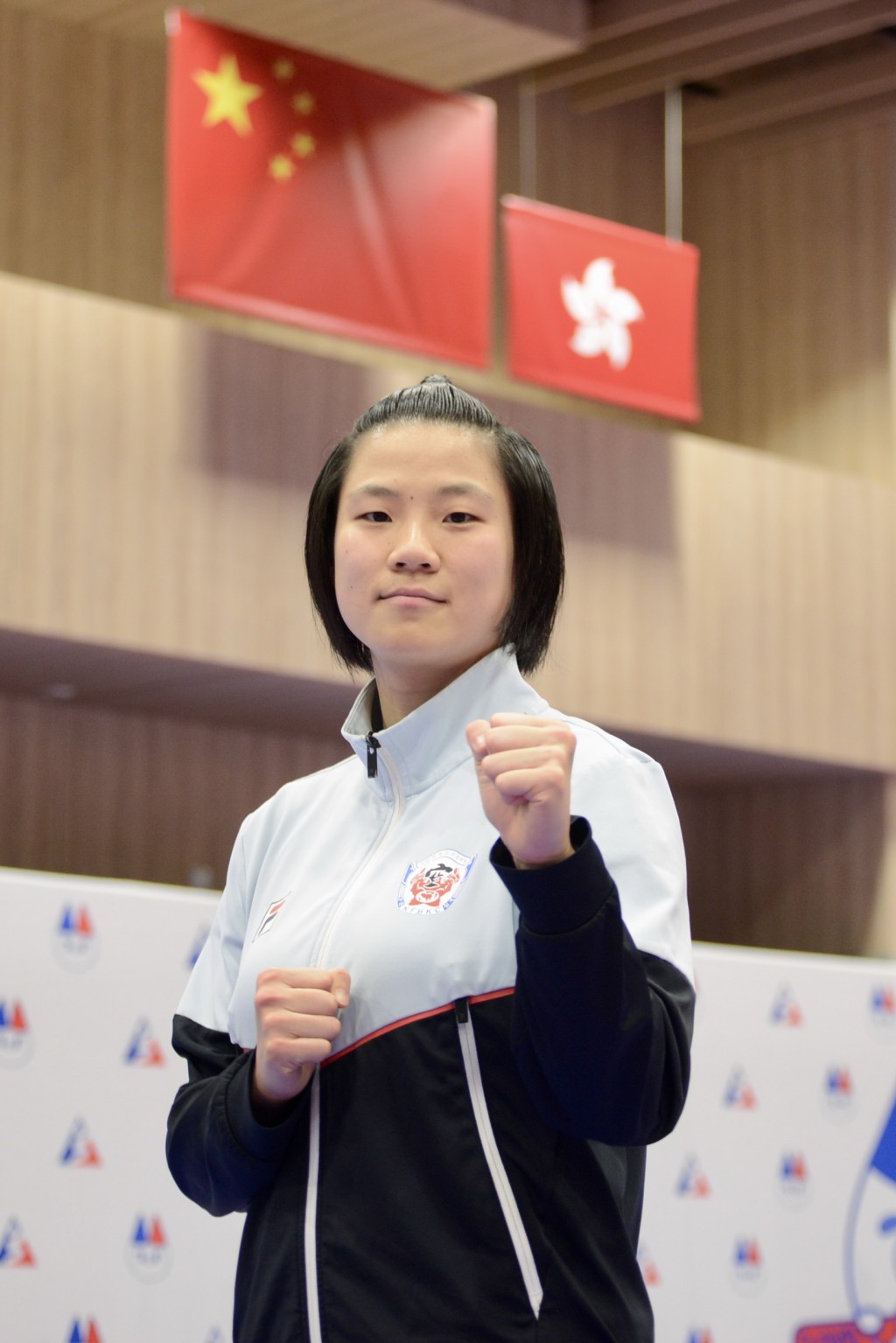
Fellow swimmer Ian Ho Yentou also reached the podium, securing silver in the men’s 50 metre freestyle.
The event produced a tightly contested final, with small differences separating the swimmers in one of the shortest and fastest races on the programme. Ho maintained his composure in the high pressure contest to claim another silver medal for Hong Kong.
Law praised Ho’s tenacity and recognised his effort in a final where there was little room for error.
The 50 metre freestyle often comes down to reaction time, acceleration and the ability to execute a race plan within seconds. A poor start can immediately put a swimmer behind, while a strong finish can change the medal positions at the wall.
Ho’s silver therefore represented another significant result for the Hong Kong swimming team and added to the delegation’s growing medal tally.
Together, the performances by Haughey and Ho gave Hong Kong a productive day in the pool, with the two swimmers contributing medals in separate freestyle events.
Mixed Relay Team Continues Hong Kong’s Podium Record
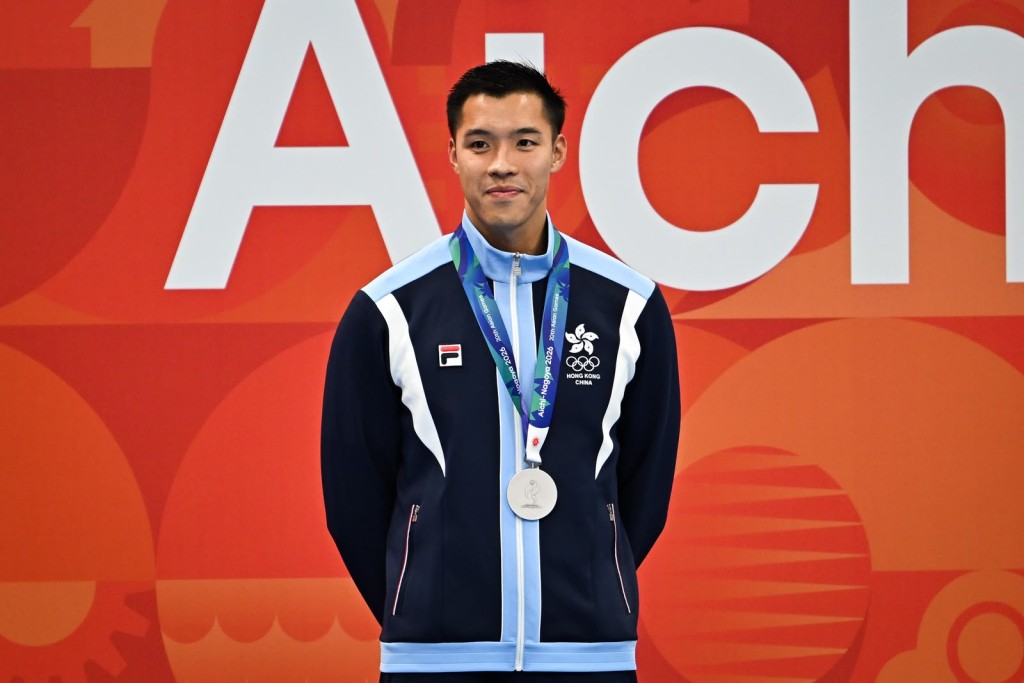
Hong Kong also secured bronze in the mixed relay triathlon, where Cade Wright, Oscar Coggins, Bailee Brown and Robin Elg combined to finish on the podium.
The result carried significance beyond the medal itself. Law noted that Hong Kong had now reached the podium in the mixed relay at three consecutive Asian Games.
The achievement reflects the importance of coordination in a discipline that brings together swimming, cycling and running. Unlike an individual event, a relay requires each member of the team to complete their section efficiently while handing over to the next competitor without losing valuable time.
The Hong Kong quartet’s bronze showed the value of collective execution across all three stages of the event.
Law praised the athletes for their teamwork and described the result as an encouraging milestone for Hong Kong’s development in multisport competition.
The continued presence of Hong Kong on the mixed relay podium also provides a clear measure of consistency. Reaching the medal positions once can be the result of an exceptional performance on a particular day. Returning to the podium across three successive Asian Games points to a sustained level of competitiveness.
For the athletes involved, the bronze added another medal to a day that had already produced major results in the swimming pool.
Karate Squad Adds Two More Bronze Medals
Hong Kong’s medal success extended beyond swimming and triathlon, with the karate team adding two bronze medals.
Wong Cheuk lee finished third in the women’s under 68 kilogram division, while Howard Hung Ho wai claimed bronze in the men’s individual kata.
Both athletes delivered composed performances on the tatami, according to Law, who praised their ability to perform under the pressure of Asian Games competition.
Wong’s bronze came in a weight category that demands a combination of technical skill, speed and tactical awareness. Hung’s medal came in kata, an event that places emphasis on the precise execution of a series of karate movements rather than direct combat against an opponent.
Their performances gave Hong Kong its second and third karate medals of the Games.
The two results also broadened the delegation’s medal contribution across different sports. While swimming provided two of the day’s most prominent results, triathlon and karate ensured that Hong Kong’s success was spread across endurance, multisport and martial arts competition.
Government Reaffirms Support for Local Sport
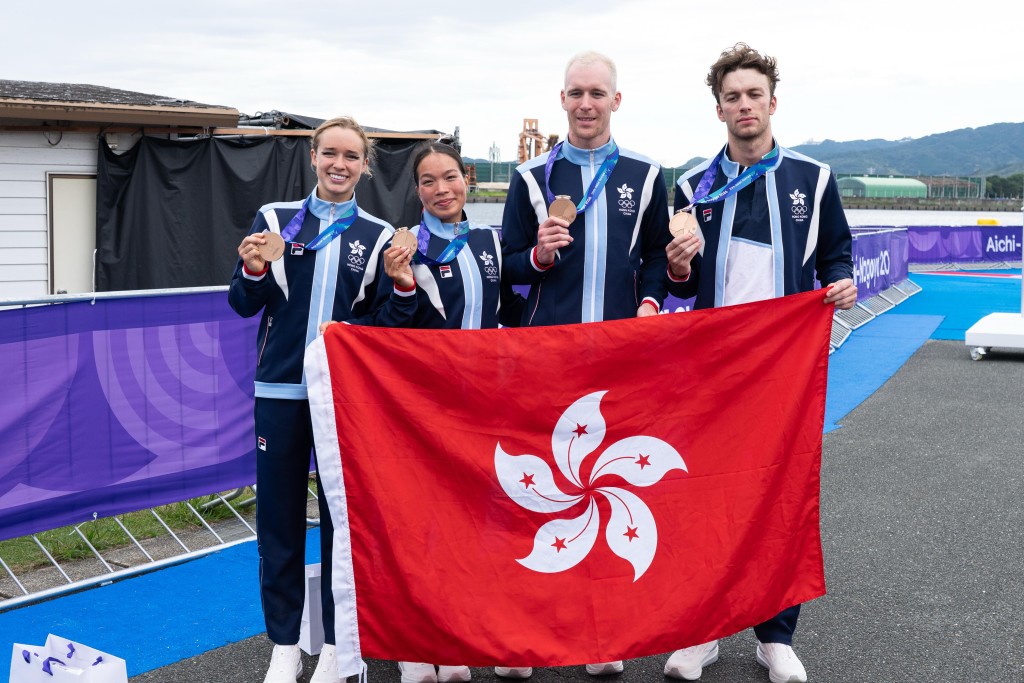
Law used the day’s results to reaffirm the government’s backing for Hong Kong athletes competing internationally.
She said the athletes’ determination and resilience had energised the wider community, while their performances demonstrated the value of continued support for elite sport.
For athletes competing at an Asian Games, preparation extends well beyond the competition itself. Training programmes, coaching, medical support, equipment, travel and access to appropriate facilities all play a role in preparing competitors for international events.
Hong Kong has continued to invest attention and resources into developing athletes capable of competing at major international competitions. Results such as those achieved during this Asian Games provide a visible measure of that development.
At the same time, each medal represents the work of individual athletes and their support teams. Behind the podium ceremonies are years of training, competition and preparation, often involving coaches, physiotherapists, sports scientists and families.
Law’s message therefore focused not only on the medal count but also on the commitment shown by the athletes throughout the competition.
Hong Kong Looks Ahead to More Competition
With the Asian Games still underway, Hong Kong’s athletes have further opportunities to add to the delegation’s medal tally.
Law wished the team continued momentum and further success during the remainder of the competition.
The six medal haul has already given Hong Kong supporters several reasons to follow the Games closely, from Haughey’s successful title defence to Ho’s silver, the mixed relay’s continued podium run and the karate team’s two bronze medals.
The results also demonstrate how Hong Kong’s medal hopes extend across a broad range of sports rather than relying on a single discipline.
As competition continues, which Hong Kong athlete or team will deliver the next major moment for the city at the Asian Games?