

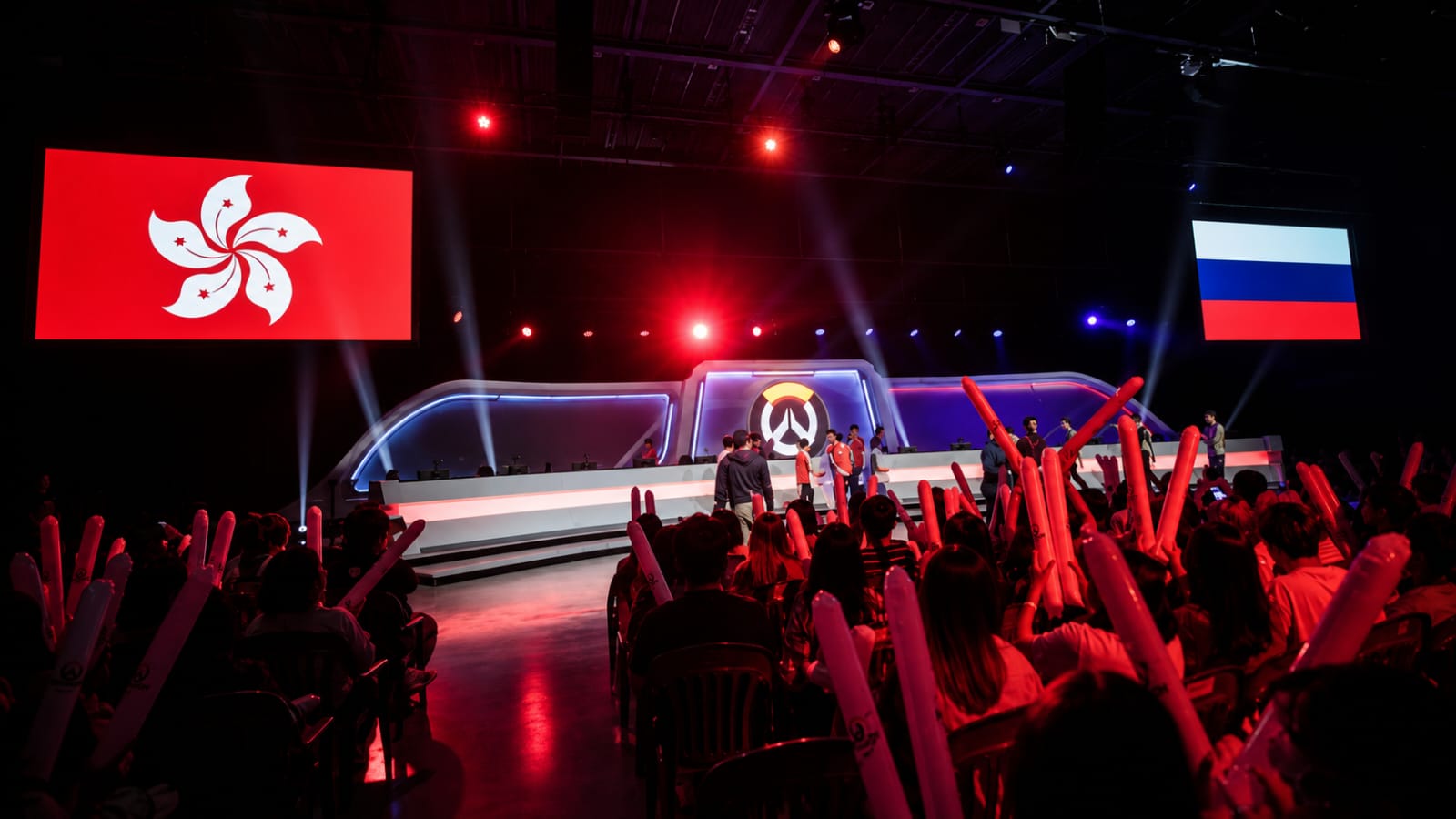
The Hong Kong E-Sports and Gaming Association released its annual industry report on Wednesday, documenting a 60 percent year-on-year expansion in the sector's total economic contribution to HK$3.8 billion, driven by the successful inaugural season of the Hong Kong E-Sports Professional League, the opening of the largest dedicated e-sports venue in Southeast Asia at Kai Tak, and a 140 percent surge in corporate sponsorship from telecommunications, technology and consumer brand categories.
The Professional League's First Season
The Hong Kong E-Sports Professional League, established with seed funding from the Sports Bureau and the Create Hong Kong agency, completed its inaugural season across four game titles: League of Legends, VALORANT, Arena of Valor, and FIFA 26. Twelve teams competed across a 28-week regular season, with finals held at the AsiaWorld-Expo Arena before a combined live and online audience of 4.2 million viewers, making it the highest-rated domestic e-sports broadcast event in the city's history.
League Commissioner Derek Lam described the first season as exceeding all projections for player quality, viewership and commercial interest. Six of the twelve teams secured corporate sponsors by the season's midpoint, with telecommunications giant HKT and consumer electronics brand Philips among the most prominent. Total league commercial revenue of HK$280 million in the inaugural season put the Hong Kong league among the top ten most commercially successful inaugural e-sports league seasons globally.
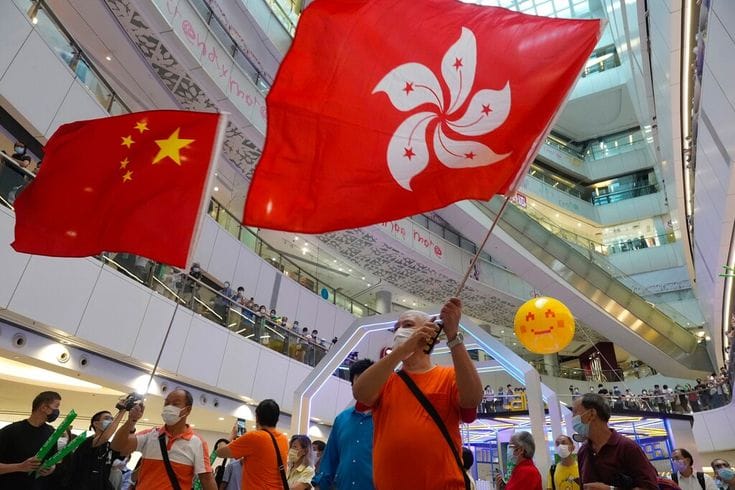
The Hong Kong E-Sports Professional League's inaugural finals drew 4.2 million viewers as corporate sponsorship surged 140% across the sector.
Infrastructure Investment
The opening of the Kai Tak E-Sports Park, a dedicated 12,000-square-metre facility purpose-built for competitive gaming within the former Kai Tak airport redevelopment precinct, provides Hong Kong with world-class infrastructure that had previously been absent. The venue features 400 high-specification gaming stations, three competition arenas of varying capacities, broadcast studios meeting international production standards, a gaming research centre operated in partnership with Hong Kong Polytechnic University, and retail and dining facilities.
The facility has already been designated as a venue for three international e-sports events in 2027, including a regional qualifier for the League of Legends World Championship and a VALORANT Challengers Asia tournament. These designations are expected to bring international teams, media and fans to Hong Kong and generate significant coverage in global gaming media.
Youth Development and Education
The e-sports boom has prompted educational institutions to respond. Five secondary schools have introduced e-sports elective programmes as part of their Other Learning Experience curricula, and the Hong Kong Institute of Vocational Education has developed a Diploma in E-Sports Management covering event production, team management, broadcast technology and digital marketing. Tertiary institutions including the Chinese University of Hong Kong and Lingnan University have introduced e-sports modules within their sports management and media studies programmes.
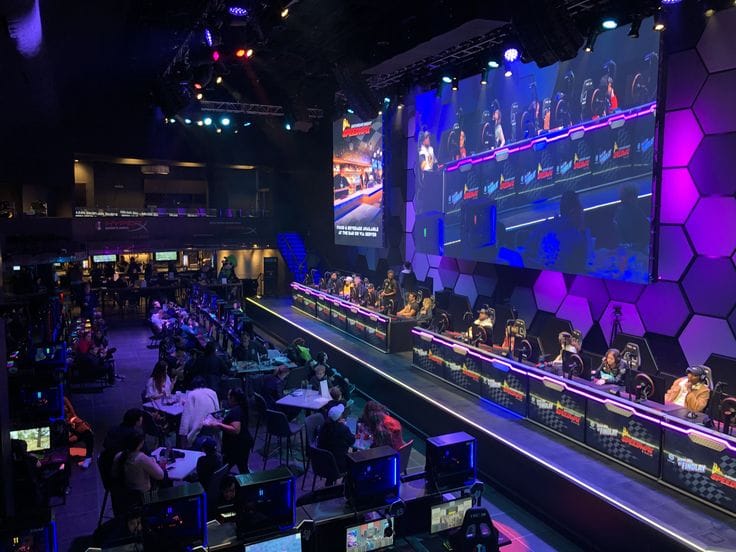
The Kai Tak E-Sports Park's 12,000 square metre facility includes 400 gaming stations, broadcast studios and a research centre in partnership with PolyU.
Talent and Pipeline
The professional league has created over 340 direct employment positions for players, coaches, analysts, broadcast staff and event management professionals, with average annual salaries for professional players in the top division ranging from HK$480,000 to HK$1.8 million depending on title and team. The talent pipeline from community-level amateur competitions to the professional league is still developing, with talent scouts identifying that access to high-specification equipment and structured coaching at secondary school level is the primary bottleneck to broadening the talent base.
The Sports Bureau has announced a HK$80 million Community E-Sports Development Fund to subsidise equipment grants for secondary schools, community e-sports centres in all 18 districts, and coaching certification programmes for qualified e-sports instructors. The fund is designed to democratise access to competitive gaming beyond the relatively affluent demographic that currently dominates the amateur competitive scene.