

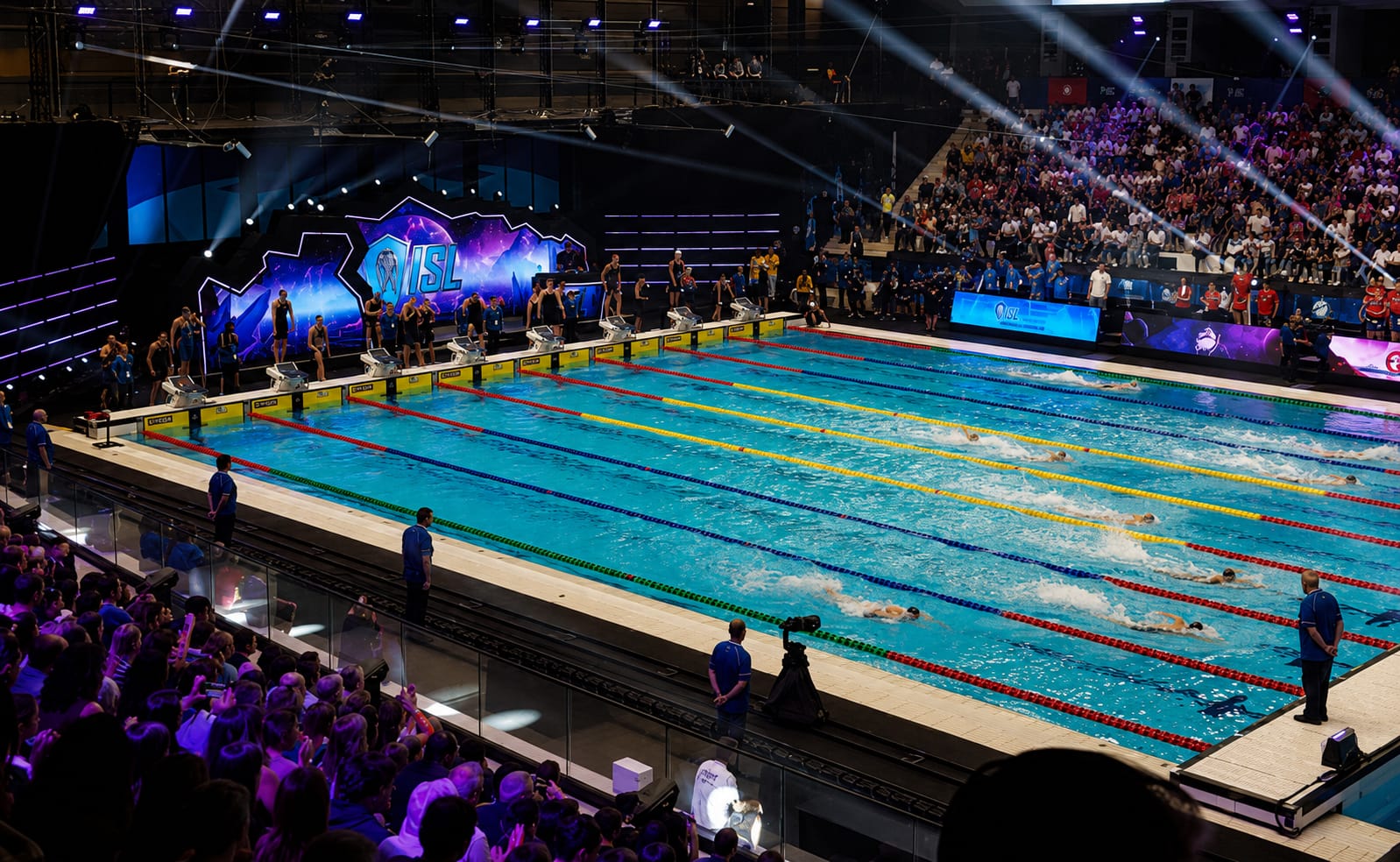
World Aquatics President Husain Al-Musallam announced Thursday that Hong Kong has been awarded the right to host the 2028 World Aquatics Championships, the largest aquatics event in the world encompassing swimming, open water swimming, diving, water polo, artistic swimming and high diving. The decision, made by the World Aquatics Bureau in Budapest, positions Hong Kong as the host of a major global sports championship for the first time in its history and follows a competitive bid process that also saw proposals from Paris, Tokyo, and a joint submission from Dubai and Abu Dhabi.
Why Hong Kong Won the Bid
Hong Kong's bid was evaluated on six criteria: venue quality, organisational capacity, financial guarantees, legacy programme, athlete and official welfare, and global broadcast reach. On all criteria the Hong Kong bid, led by the Sports Bureau and backed by a government financial guarantee of HK$2.8 billion, was assessed as meeting or exceeding World Aquatics' requirements. The bureau's detailed operational plan, drawing on Hong Kong's experience hosting international aquatics events at the Victoria Park Swimming Pool and the Tseung Kwan O Sports Ground, demonstrated a mature understanding of the logistical requirements of an event of this scale.
World Aquatics was particularly impressed by Hong Kong's media and broadcasting infrastructure. The city's status as Asia's media production hub, and the potential to broadcast the championships to over 1.8 billion viewers across Greater China via a partnership with CCTV and ViuTV, represented an unparalleled audience opportunity for the federation's commercial partners.
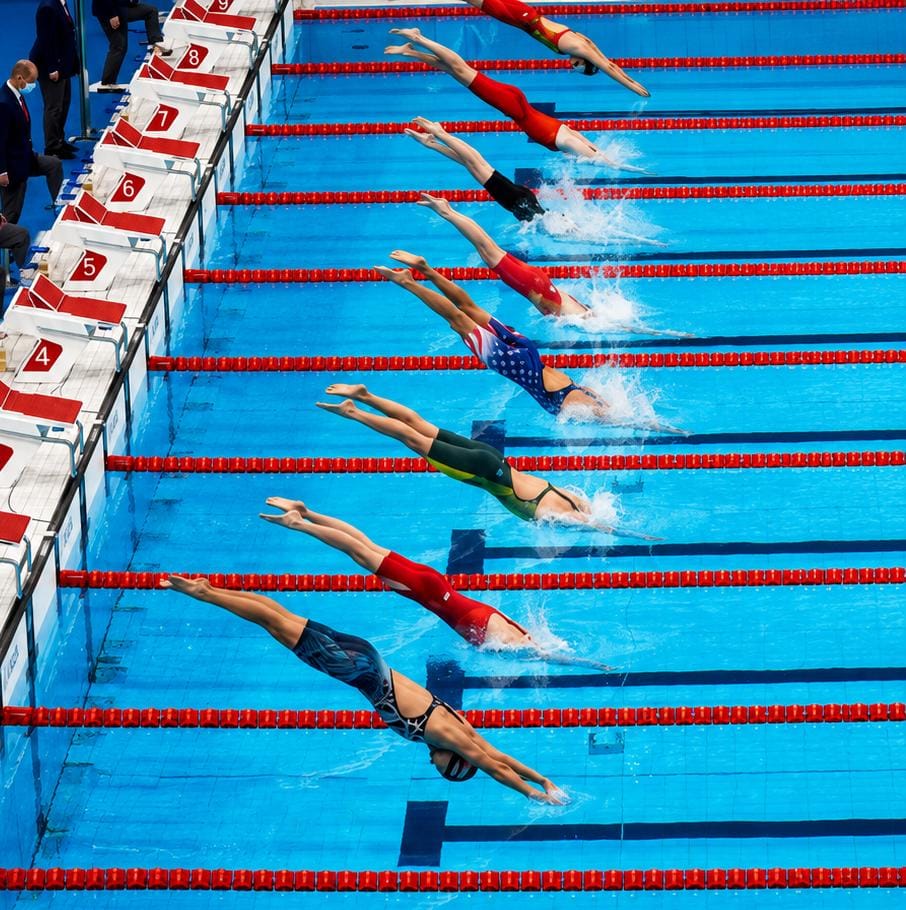
Hong Kong's 2028 World Aquatics Championships bid was backed by a HK$2.8B government guarantee and projected TV audience of 1.8 billion viewers across Asia.
Venue Plans
The championships will be centred on a newly constructed Kai Tak Aquatics Centre, the construction of which was announced as part of the successful bid. The purpose-built facility will feature a 10,000-seat Olympic-standard 50-metre pool hall, a secondary 25-metre warm-up pool, a 5,000-seat diving facility, and outdoor open water swimming infrastructure in Victoria Harbour. Total construction cost is budgeted at HK$4.8 billion, with the government committing to retain the facility as a public elite training and community aquatics resource after the championships conclude.
The water polo and artistic swimming events will be held at repurposed venues including the Queen Elizabeth Stadium in Wan Chai, which will be fitted with a temporary pool structure that has been used successfully at previous editions of the championships. The Victoria Harbour open water venue, scheduled to host the 5, 10 and 25-kilometre open water events, offers an iconic and visually spectacular backdrop that organisers anticipate will generate global media attention.
Athlete Development Legacy
The bid's legacy programme, a key component of the successful application, commits Hong Kong to a five-year pre-championships aquatics development programme targeting measurable increases in youth participation, coach qualification rates, and elite performance standards. A championship-linked scholarship programme will provide 40 Hong Kong aquatics athletes with fully funded elite training grants, including access to offshore training facilities and international competition schedules, in the years preceding the 2028 event.
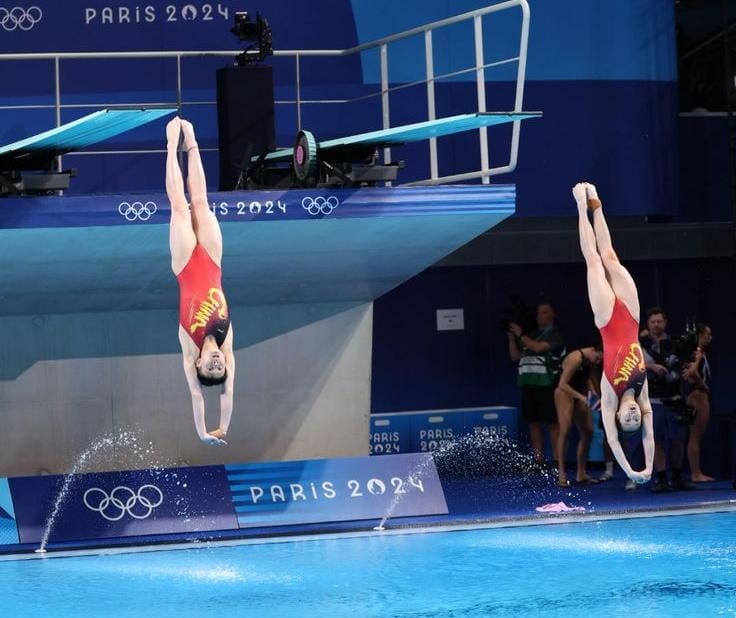
The new Kai Tak Aquatics Centre, budgeted at HK$4.8B, will serve as the championships' centrepiece and remain a public elite training facility after the event.
Economic and Cultural Impact Projections
The Hong Kong Tourism Board projects that the two-week championships will attract 180,000 international visitors, generating direct tourist expenditure of HK$2.4 billion. The global broadcast audience of an estimated 1.8 billion is expected to generate destination awareness and aspiration among potential visitors that translates into long-term tourism revenue well beyond the championships period. A study by KPMG estimated the total economic impact of hosting the event at HK$6.8 billion when multiplier effects are included.
For Chief Executive John Lee, the award represents the most significant accomplishment of his government's Sports Hub strategy, which had identified the attraction of major international sporting events as a priority for establishing Hong Kong's global profile and driving high-value tourism. "This is a historic moment for Hong Kong sport," he said. "We will deliver championships that make Hong Kong, China and the world proud."