


New Tournament Brings 14 National Teams Together
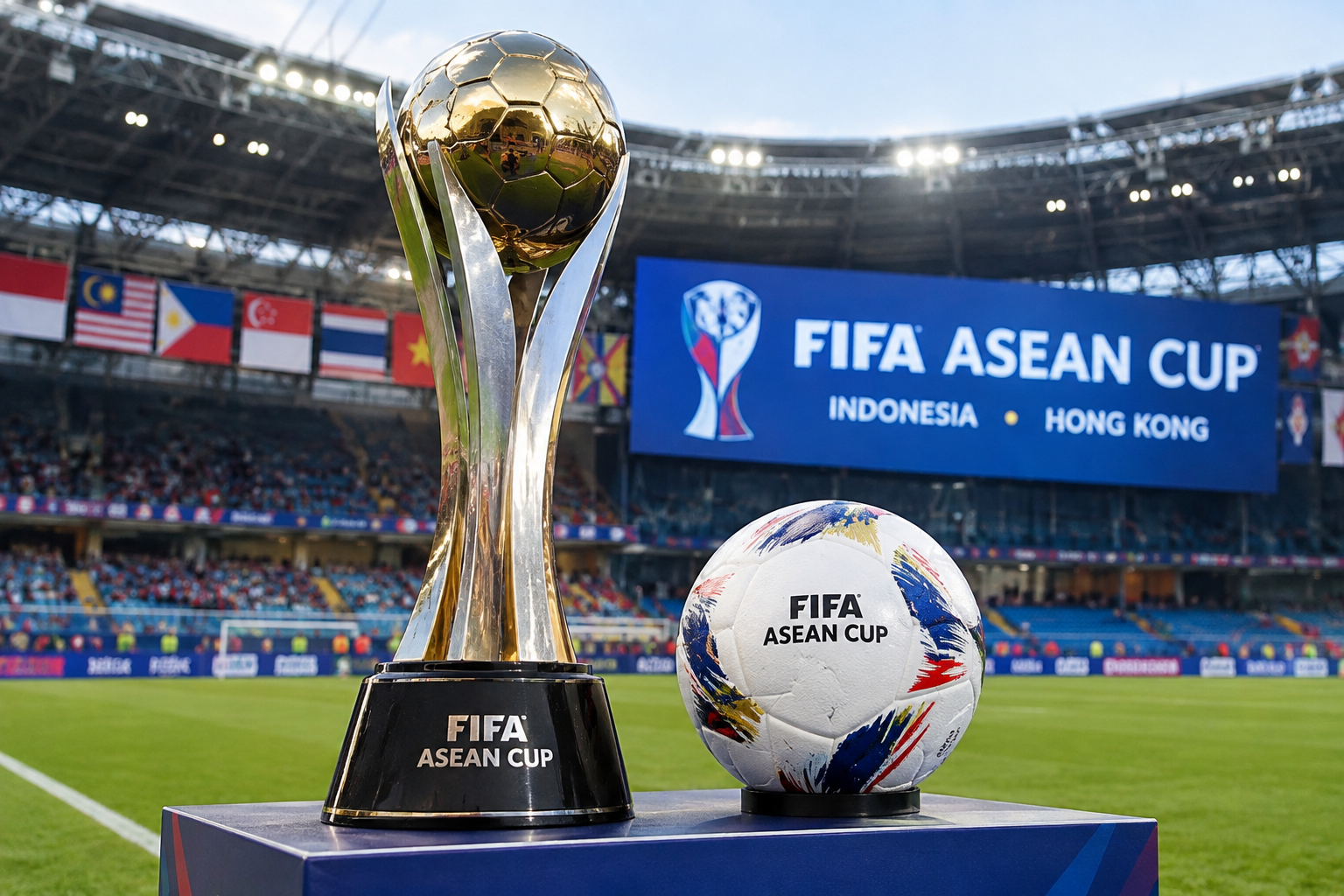
Indonesia and Hong Kong will host the inaugural FIFA ASEAN Cup later this month, bringing together 14 national teams in a new competition designed to provide more regular international matches for sides from Southeast Asia and invited teams from beyond the region.
The tournament will begin on September 24 and will feature two divisions, giving teams an opportunity to compete against opponents of a similar level while also creating a new regional competition structure.
The event includes all 11 members of the Association of Southeast Asian Nations, known as ASEAN, alongside three invited teams: Hong Kong, Pakistan and Bangladesh.
Indonesia will host Division 1, the top section of the tournament, while Hong Kong will stage Division 2.
The organisers announced the competition on Thursday, with FIFA president Gianni Infantino saying the tournament had been created to give national teams more meaningful opportunities to compete.
“The FIFA ASEAN Cup was launched to provide national teams with meaningful competitive opportunities,” Infantino said.
He added that the tournament would help strengthen football ties across Southeast Asia.
Indonesia to Host Eight Team Division 1
Eight national teams will compete in Division 1, including hosts Indonesia, Malaysia, the Philippines, Singapore, Thailand, Vietnam, Bangladesh and Pakistan.
The eight teams will be divided into two groups of four.
The group winners will then meet in the first FIFA ASEAN Cup final on October 5, giving the tournament a clear championship match at the end of the Division 1 schedule.
Indonesia's inclusion as the host gives the country a prominent role in the launch of the new competition, while the participation of Bangladesh and Pakistan adds teams from South Asia to a field otherwise dominated by Southeast Asian nations.
For the participating teams, the format provides several competitive fixtures within a concentrated period. Instead of relying only on occasional international friendlies, national sides will have a tournament setting in which results directly determine progression.
The group stage will also create an early test for teams before the finalists compete for the first FIFA ASEAN Cup title.
With eight teams divided into two groups, every match will carry significance as teams attempt to finish at the top of their respective sections.

Hong Kong to Stage Division 2
Hong Kong will host Division 2, which will feature six teams.
The hosts will be joined by Brunei, Cambodia, Laos, Myanmar and Timor Leste.
The six teams will be divided into two groups of three, with the winners advancing to a Division 2 final scheduled for October 3.
The decision to stage the second division in Hong Kong gives the city a central role in the first edition of the tournament.
Hong Kong's national team will therefore compete on home territory while also welcoming five visiting sides for the Division 2 programme.
The smaller groups mean each match can have an immediate effect on the final standings. With only three teams in each section, there will be less room for a poor result, and teams will have to make the most of their opportunities during the group stage.
The Division 2 final will take place two days before the Division 1 championship match in Indonesia.
That creates two separate title races within the same tournament, with both divisions producing their own champion.
A Broader Regional Football Project
The tournament's structure reflects an effort to give more national teams meaningful international competition.
International football schedules can be difficult for developing teams to fill with competitive matches. Friendly games provide useful preparation, but they do not carry the same pressure as a tournament in which teams must win their group to reach a final.
The FIFA ASEAN Cup introduces a defined competitive pathway for the participating countries.
For the 11 ASEAN members, the competition also creates another regional platform alongside established football tournaments in Southeast Asia.
The inclusion of Hong Kong, Pakistan and Bangladesh broadens the field beyond the ASEAN membership itself.
That arrangement gives the tournament a wider geographic character while maintaining a strong Southeast Asian focus.
The participation of Pakistan and Bangladesh is particularly notable because both countries are outside ASEAN. Their invitation allows them to compete against teams from a region with a long and established football tradition while also adding variety to the tournament.
For Hong Kong, the competition offers the additional advantage of playing host to an international event involving several regional opponents.
Two Divisions, Two Finals
The two division format is central to the inaugural competition.
Division 1 will contain eight teams and culminate in a final on October 5. Division 2 will contain six teams and conclude with its final on October 3.
The arrangement means the tournament can accommodate teams with different competitive levels without placing every participant into one large group.
It also gives each division its own storyline.
In Division 1, Indonesia, Malaysia, the Philippines, Singapore, Thailand, Vietnam, Bangladesh and Pakistan will compete for a place in the inaugural championship match.
In Division 2, Hong Kong, Brunei, Cambodia, Laos, Myanmar and Timor Leste will compete for their own title.
The group winners will be the only teams from each division to advance to their respective finals, putting additional pressure on every group match.
The format also ensures that the tournament will produce its first champions within less than two weeks of its opening.
FIFA Sees Competition as a Way to Strengthen Regional Ties
Infantino said the tournament was intended to give national teams more than a series of fixtures. FIFA wants the competition to create stronger football connections between countries in Southeast Asia and the teams invited from outside the ASEAN bloc.
“The tournament will strengthen football ties across Southeast Asia,” Infantino said.
That objective goes beyond the results on the pitch.
Regional football competitions can give national associations more opportunities to build relationships, expose players to different styles and create regular meetings between teams that may otherwise face one another only occasionally.
For smaller football nations, such opportunities can be particularly valuable. Regular international competition gives coaches more chances to assess players under pressure, while players gain experience in matches that carry consequences for qualification and progression.
The new tournament therefore arrives with a practical purpose: create more occasions for national teams to play meaningful football.
First Edition Begins September 24
The inaugural FIFA ASEAN Cup will begin on September 24, with matches split between Indonesia and Hong Kong.
Division 2 will reach its conclusion first, with its final scheduled for October 3 in Hong Kong. Division 1 will continue toward its championship match in Indonesia on October 5.
The first edition will therefore establish the competition's format and provide an early indication of how the new tournament can fit into the international football calendar.
For the 14 participating teams, the immediate objective is simple. Win the group, reach the final and claim the first title in the history of the FIFA ASEAN Cup.
As the September 24 opening approaches, which national team will make history by becoming the first FIFA ASEAN Cup champion?