

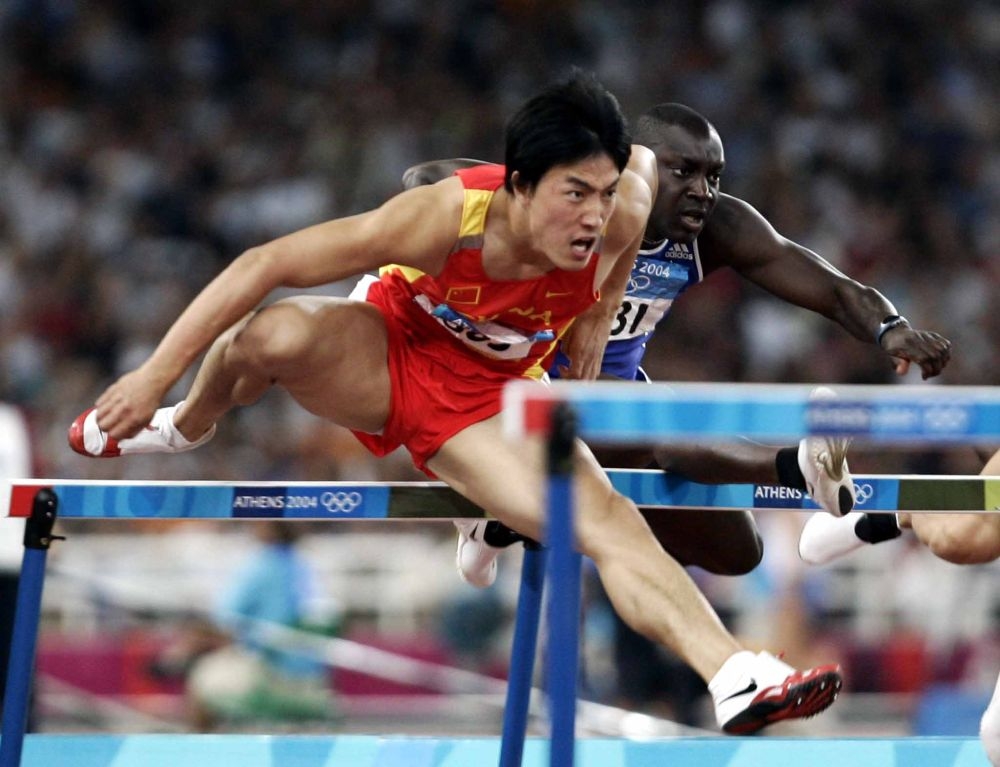
Liu Xiang formally ends long running affiliation
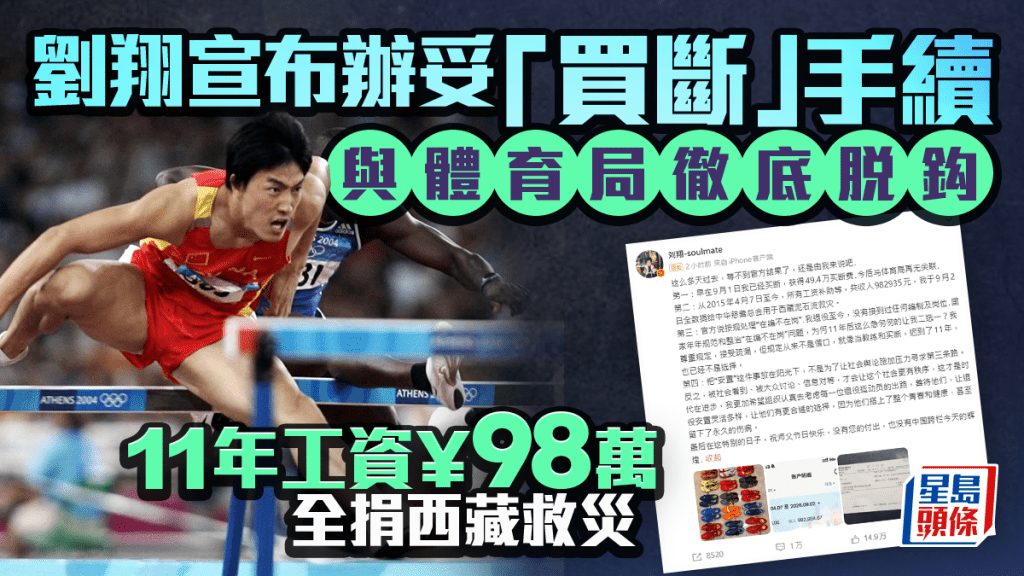
Olympic hurdles champion Liu Xiang has formally ended his administrative relationship with the Shanghai Sports Bureau after 11 years of uncertainty over his post retirement employment, accepting a 494,000 yuan lump sum as part of the separation agreement and donating nearly twice that amount in accumulated wages and living subsidies to disaster relief.
The 43 year old former world record holder said on Thursday that he completed the severance process on September 1, bringing to an end a dispute over what role he would hold within the state sports system after his retirement from competitive athletics.
One day after completing the separation, Liu transferred 982,935 yuan in wages and living subsidies that he had received since retiring in April 2015 to the China Charity Federation. He said the money would support relief efforts following recent mudslides in Tibet.
Liu also published records of the bank transfer online, making the donation publicly verifiable.
The move has drawn attention not only because of the size of the donation, but also because Liu used his departure from the state sports system to raise wider questions about how China manages the careers of elite athletes after they leave competition.
Eleven years without a designated post
Liu said that after retiring in 2015, he never received a specific official position from the Shanghai Sports Bureau.
His comments address a wider discussion in China over retired athletes who remain attached to state institutions and continue receiving salaries despite not being assigned a conventional day to day role.
Rather than treating his own situation as a request for special treatment, Liu said he wanted to draw attention to the difficulties that retired athletes can face when they leave competitive sport.
He questioned why authorities had waited 11 years before presenting him with a clear choice.
According to Liu, officials eventually offered him two options during a nationwide administrative clean up: take up a coaching role or accept a buyout and leave the system.
For Liu, the timing raised an obvious question. If the choice had not been presented until more than a decade after his retirement, he argued, it was difficult to regard it as a genuine choice.
His comments have given a high profile example to a broader issue involving athletes whose working lives begin at a very young age and whose careers can end suddenly because of injury, age or changing performance.
Call for better support after retirement
Liu said elite athletes give up much of their youth to sport and often leave competition carrying physical injuries that can affect them for years.
That reality, he argued, should be taken into account when sports authorities design post retirement career arrangements.
He called for more flexible and varied transition mechanisms that would allow retired athletes to move into different careers rather than being restricted to a narrow set of institutional positions.
For some athletes, coaching may be a natural next step. Others may have interests or skills better suited to education, business, administration, media or other professions.
Liu's argument is that the system should provide room for those differences.
His decision to speak publicly about his own experience also carries weight because of his status as one of China's most recognisable track and field athletes.
He did not frame the issue as a demand for a special arrangement because of his Olympic achievements. Instead, he said the experience had prompted him to consider the wider group of athletes who face similar questions after their competitive careers end.
Shanghai authorities respond
The Shanghai Sports Bureau confirmed on Thursday that Liu's personnel procedures had been completed following consultations between the two sides.
The bureau said the procedures were completed on September 7, several days after Liu said he had finalised the severance process.
Officials said they had discussed several possible career paths with Liu, including leadership positions at Shanghai's track and field centre and teaching opportunities at universities.
Liu ultimately chose to pursue employment independently.
The sports authority said it respected his decision and specifically praised his decision to donate his accumulated post retirement income to disaster relief in Tibet.
The bureau also sought to put Liu's case within the context of its broader work with former athletes.
According to the authority, nearly 1,000 retired athletes have been transitioned into new positions over the past decade.
Officials said they would continue improving support systems for retired competitors and protecting their legitimate rights and career development.
The exchange between Liu and the bureau suggests that the two sides ultimately reached an administrative settlement, although Liu's public comments indicate that questions about the long period before that settlement remain.
From Athens champion to retirement
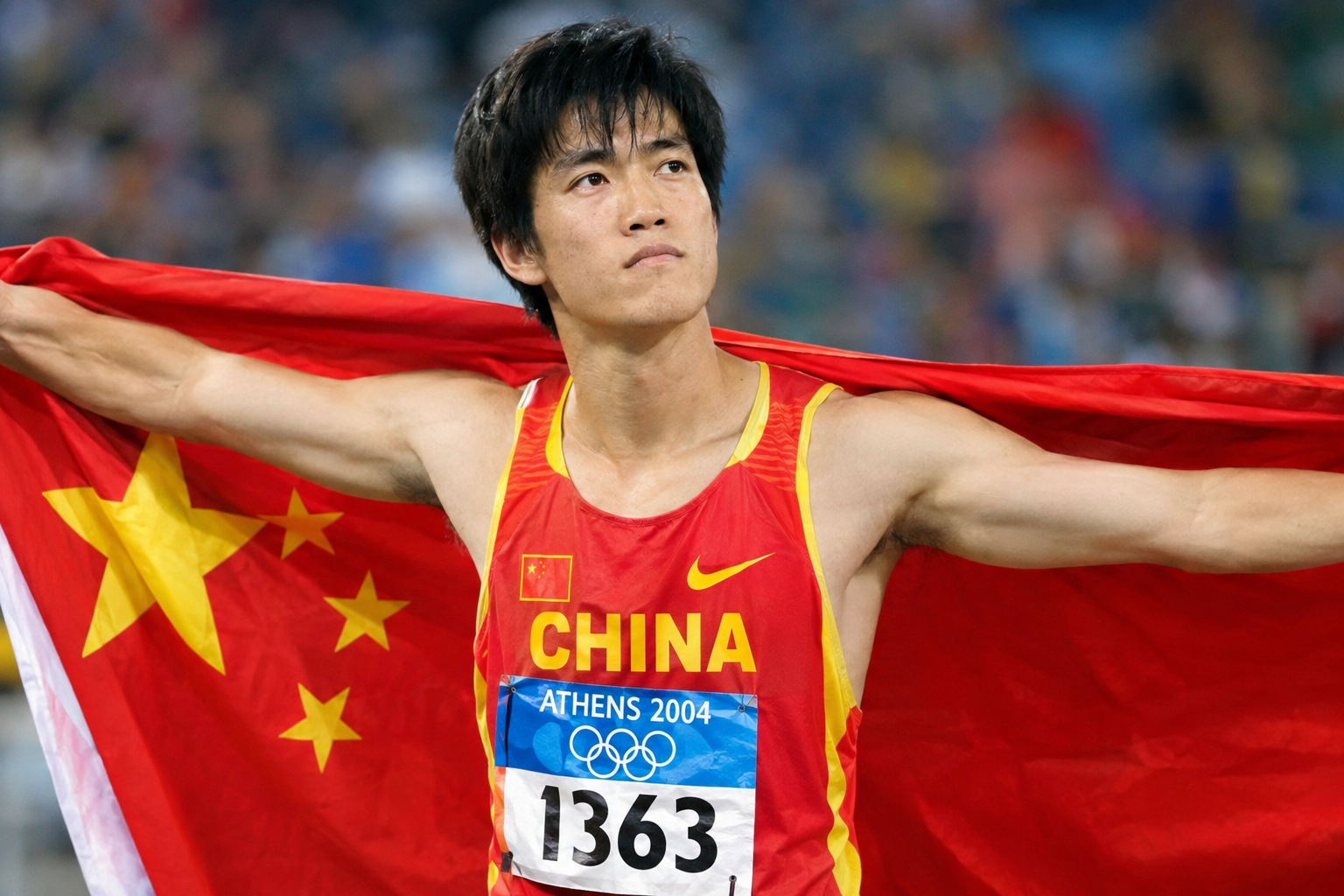
Liu's career made him one of the most important figures in the history of Chinese athletics.
At the 2004 Athens Olympic Games, he won the men's 110 metre hurdles gold medal and became China's first male Olympic champion in track and field.
His victory carried significance well beyond one race. Liu had entered an event historically dominated by athletes from other countries and emerged as an Olympic champion on the world's biggest athletics stage.
He later became a world record holder in the 110 metre hurdles, further establishing himself among the sport's leading competitors.
But injuries repeatedly interrupted his career.
Chronic problems involving his Achilles tendon eventually made it impossible for him to continue competing at the highest level. After years of setbacks and rehabilitation, Liu officially retired in 2015.
His departure from athletics marked the end of a career that had transformed public attention around track and field in China.
A different kind of final chapter
More than a decade after leaving competition, Liu's latest decision adds an unexpected chapter to that career.
The 494,000 yuan buyout ended his formal relationship with the Shanghai Sports Bureau, while the 982,935 yuan donation redirected the wages and living subsidies he received after retirement towards disaster relief.
The donation also came as Liu marked Teachers' Day in mainland China.
In his message, he paid tribute to his longtime coach Sun Haiping, crediting the veteran mentor with helping guide him through the career that produced China's breakthrough Olympic success in track and field.
The tribute was personal, but it also reflected the role coaches and sports institutions can play throughout an athlete's life, from childhood training through elite competition and eventually retirement.
For Liu, the next stage will be outside the administrative system that supported his sporting career.
His experience has also placed a public spotlight on a question facing sports authorities across China: how can elite athletes be given greater freedom and practical support when they leave competition, while making sure the years they spent representing the country are properly recognised?