

Lionel Messi will wear Argentina’s sky-blue-and-white shirt for the final time on Tuesday, closing a 21 year international career in front of around 85,000 supporters at Buenos Aires’ Estadio Monumental.
The farewell has been carefully timed and fittingly staged. The stadium, whose name evokes something monumental, will host the final appearance of the most-capped player in Argentina’s history when the world champions face Benin in a friendly.
Millions more are expected to watch from home as Messi takes the field for one last international performance.
At 39, the Argentina captain has decided that his time with the national team is over. His decision comes two-and-a-half months after Argentina lost the World Cup final to Spain, a defeat that brought an abrupt end to their latest title campaign.
Messi announced his retirement from international football in August, saying he had given everything he had to the national team and that younger players now deserved an opportunity.
“I gave it my all; I have nothing left to give, and besides, there are great young players coming up who deserve their chance,” Messi wrote at the time.
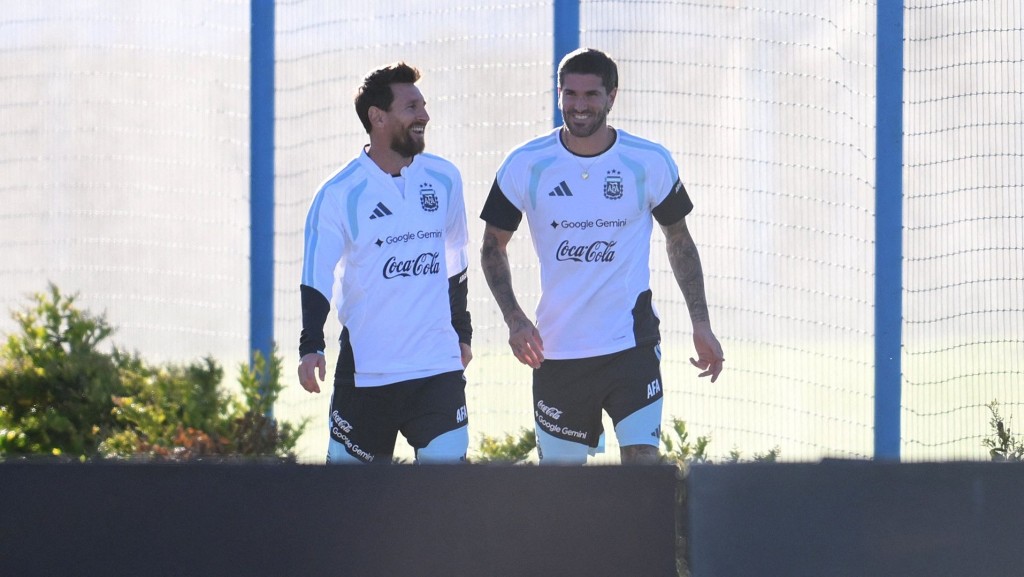
On Monday, Messi completed his final training session with Argentina at the national team complex in Ezeiza, a Buenos Aires suburb. The facility itself carries his name, adding another personal touch to the final chapter of his international career.
Supporters gathered outside to catch a glimpse of their hero.
Among them was 52-year-old Cecilia Adriano, who said she had no resentment about Messi's decision to leave international football.
“I believe Messi gave everything, absolutely everything, so it doesn't bother me at all that he's leaving,” Adriano told AFP. “He has more than earned it, let him enjoy himself, let him rest.”
The farewell will begin even before kick-off. The University of Buenos Aires is scheduled to award Messi an honorary doctorate before the match, adding an academic honour to a sporting career already filled with records and major titles.
Messi remains under contract with Inter Miami until 2028, but his future as a professional footballer is less certain than his immediate club agreement suggests. Following the death of his father, Jorge, two months ago, Messi indicated that he could decide to retire from football altogether sooner than expected.
For Argentina, Tuesday's match is therefore more than a friendly. It marks the end of an era and the beginning of the difficult task of building a team without the player who has defined its modern identity.
Argentina prepares for life without Messi
Argentina coach Lionel Scaloni has acknowledged the challenge ahead, promising to work toward filling the void created by Messi's departure.
The squad already contains several players who could become the core of the next Argentina team. Cristian Romero, Alexis Mac Allister, Enzo Fernandez, Julian Alvarez and Lautaro Martinez are among the players who helped Argentina win the 2022 World Cup in Qatar and are expected to carry greater responsibility after Messi leaves.
The captaincy will also change hands. After Messi's final appearance, the armband will pass to Romero.
Scaloni has already received encouraging signs from the younger generation. Argentina's recent performances without Messi have suggested that the national team may have enough attacking and creative talent to move forward without its greatest star.
In their first matches since the World Cup final, Argentina defeated Bolivia 4-0 in a friendly in Cordoba before producing an even more emphatic performance against Burkina Faso at the Monumental.
Argentina won that match 7-0, with two emerging talents making their mark. Franco Mastantuono and Gianluca Prestianni both scored their first international goals.
The emergence of players such as Mastantuono and Prestianni offers Argentina something to build around. Some members of the next generation were not even born when Messi made his senior international debut in 2005.
Their progress has also helped soften the disappointment of Argentina's latest World Cup campaign.
A career filled with records and heartbreak
Messi leaves the Argentina team with numbers that underline the scale of his contribution.
He is the country's most-capped player and its leading scorer, with 125 goals in 207 appearances. He also holds the national record for assists, with 68.
For years, however, his relationship with Argentina was defined as much by disappointment as achievement.
The defeats were painful and often personal. Argentina lost the 2014 World Cup final to Germany in Brazil, falling 1-0 after extra time. Two years later, Messi and Argentina suffered another major setback when Chile defeated them on penalties in the 2016 Copa America final.
There were also doubts about whether Messi could ever achieve with Argentina what he had accomplished at club level.
Those doubts disappeared in Qatar.
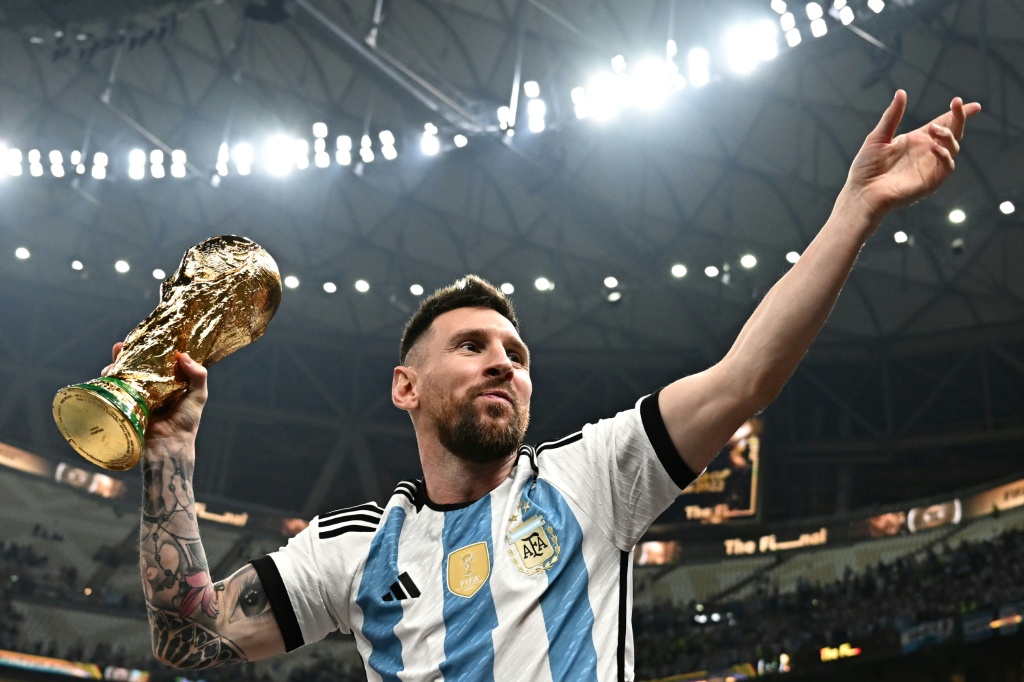
In 2022, Messi led Argentina to the World Cup title, ending the country's 36-year wait for football's biggest prize. The triumph also secured his standing among Argentines as the rightful successor to Diego Maradona, the legendary figure who had led Argentina to World Cup glory in 1986.
Messi's achievements with Argentina extend well beyond the senior World Cup.
During his international career, Argentina won the 2005 FIFA World Youth Championship and the 2008 Olympic football tournament. The senior side also lifted the Copa America in 2021 and 2024 and won the 2022 Finalissima against Italy, the European champions.
The journey was never straightforward.
Messi experienced the pressure of carrying Argentina through years when every major defeat was followed by renewed questions about his international future. He eventually turned those disappointments into a sequence of major trophies, transforming his relationship with the national team in the process.
The latest setback came in the World Cup final against Spain. Argentina struggled as Messi, visibly fatigued, and his teammates were outplayed in New Jersey. Several Argentina players were later punished with suspensions and fines after incidents during the match.
The defeat left a bitter final memory. Tuesday's farewell offers Messi and his supporters the chance to replace it with something very different.
The question of Argentina's No. 10
Even after Messi leaves the pitch, one question will remain: who will wear the famous No. 10 shirt?
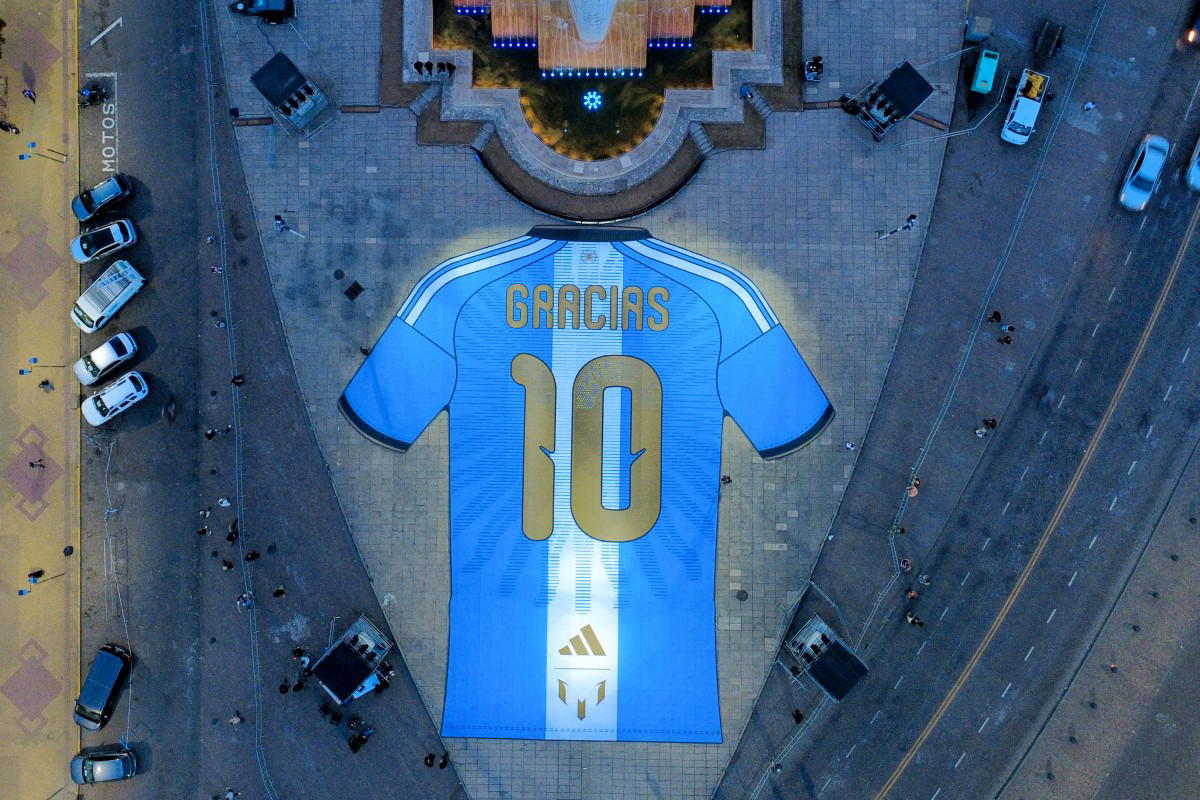
For Argentina, the number has become inseparable from Messi. Before him, it belonged to Maradona, making the shirt one of the most recognisable symbols in the country's football history.
Scaloni has no immediate plans to hand it to another player.
“Until Leo's game, we won't give the number 10 to anyone,” the coach said. “After that, we'll see.”
That decision reflects the unusual position Messi occupies within Argentine football. Replacing a player is one thing. Replacing the meaning attached to his shirt is another.
At the Monumental, the focus will be on the final 90 minutes before Argentina begins that process.
Messi's international career has included record-breaking numbers, devastating defeats, major trophies and the World Cup victory that finally ended decades of frustration. Now, with the national team preparing for its first major transition in a generation, the captain will walk onto the pitch knowing that every moment carries the weight of a farewell.
For Argentina, the next era begins when Messi walks off. What is your favourite memory of Lionel Messi in an Argentina shirt?