

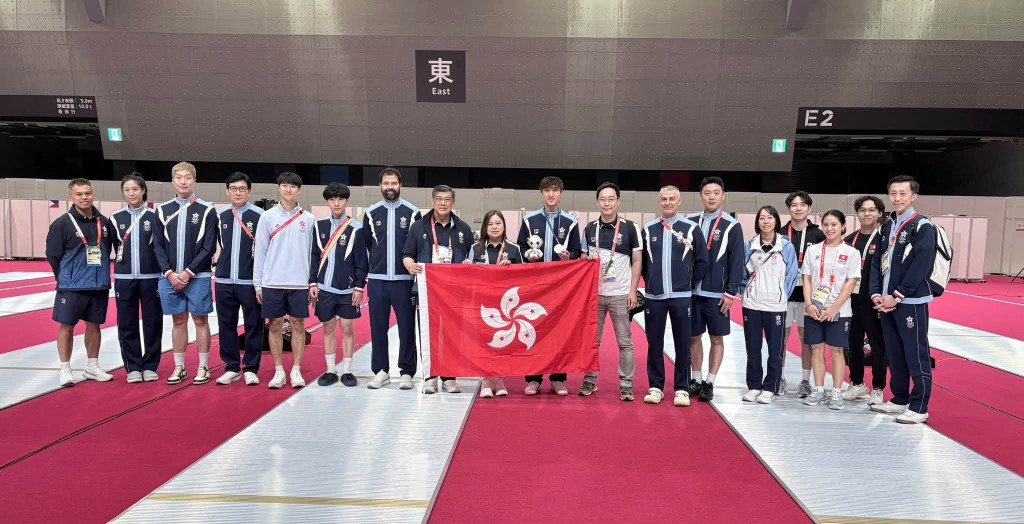
Hong Kong athletes have won praise from Secretary for Culture, Sports and Tourism Rosanna Law Shuk pui after she completed a three day, two night visit to Japan to support the city’s delegation at the 20th Asian Games.
Law returned to Hong Kong on September 24 after visiting competition venues in Nagoya and meeting athletes during a busy stretch of the Games. By then, Hong Kong, China had collected 23 medals, including four golds, 10 silvers and nine bronzes, with competition continuing across several sports.
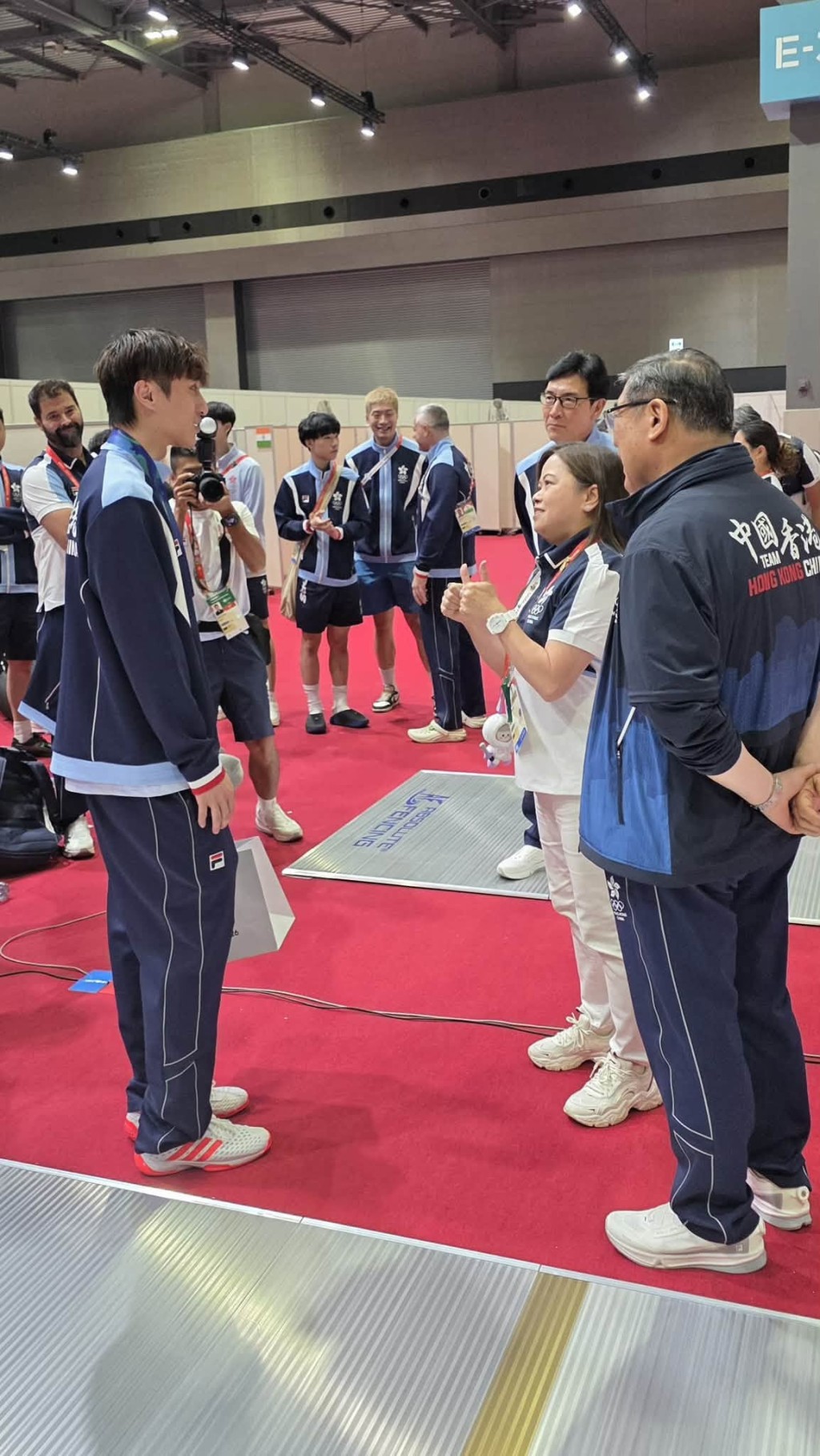
Law visits athletes across multiple sports
Law spent much of her short stay moving between competition venues to watch Hong Kong athletes compete in a wide range of disciplines.
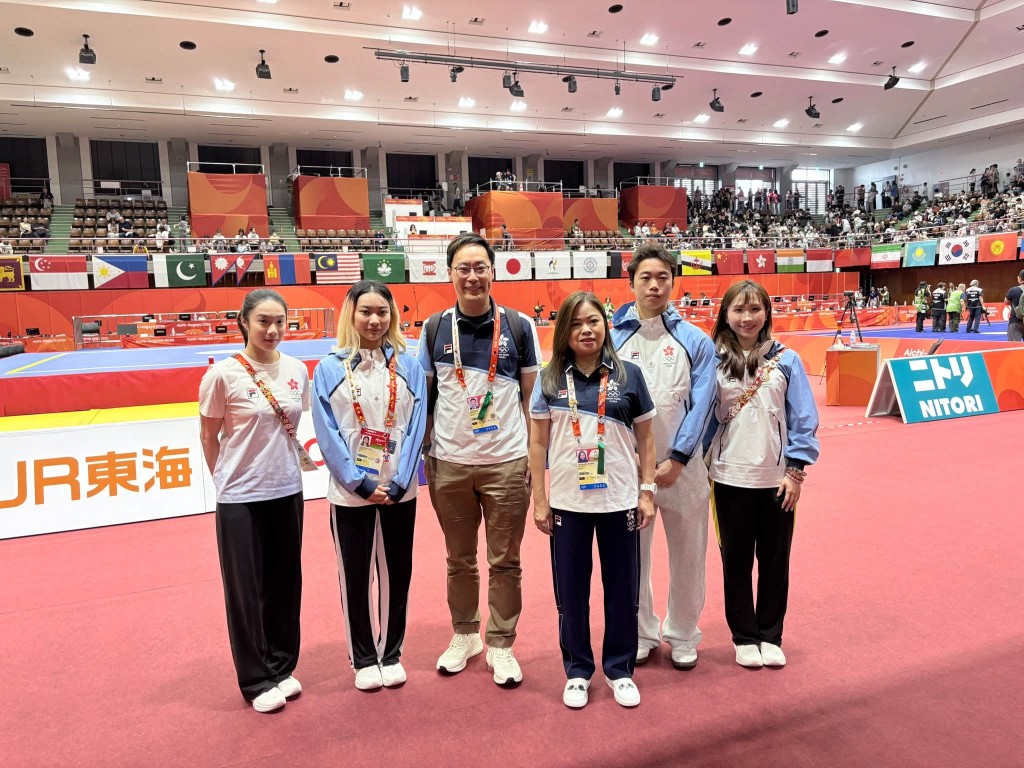
Her schedule included fencing events covering foil, épée and sabre, along with football, handball and wushu sanda competitions. She also met members of the Hong Kong esports and skateboarding teams, giving her an opportunity to hear about their preparations and offer encouragement before or around their competitions.
The visit gave the sports minister a direct view of the demands placed on athletes during a major multi sport competition. Events take place across different venues, with athletes required to maintain concentration and physical readiness while working through demanding schedules.
Law described the visit as rewarding and said she was impressed by the commitment shown by both athletes and members of their support teams.
Her trip came as the Hong Kong delegation continued to add medals in swimming, fencing, wushu, karate, cycling, triathlon and other events.
On September 21, wushu athlete Lydia Sham won Hong Kong’s first gold medal of the Games in the women’s changquan event. The following day, swimmer Siobhan Bernadette Haughey added another gold in the women’s 100 metre freestyle after winning the women’s 200 metre freestyle title a day earlier.
The results continued on September 23, when Hong Kong athletes added four medals, including silver for karate athlete Tsang Yee ting and bronze medals for swimmer Natalie Kan, the men’s karate team and wushu athlete Chan Tsz ching.
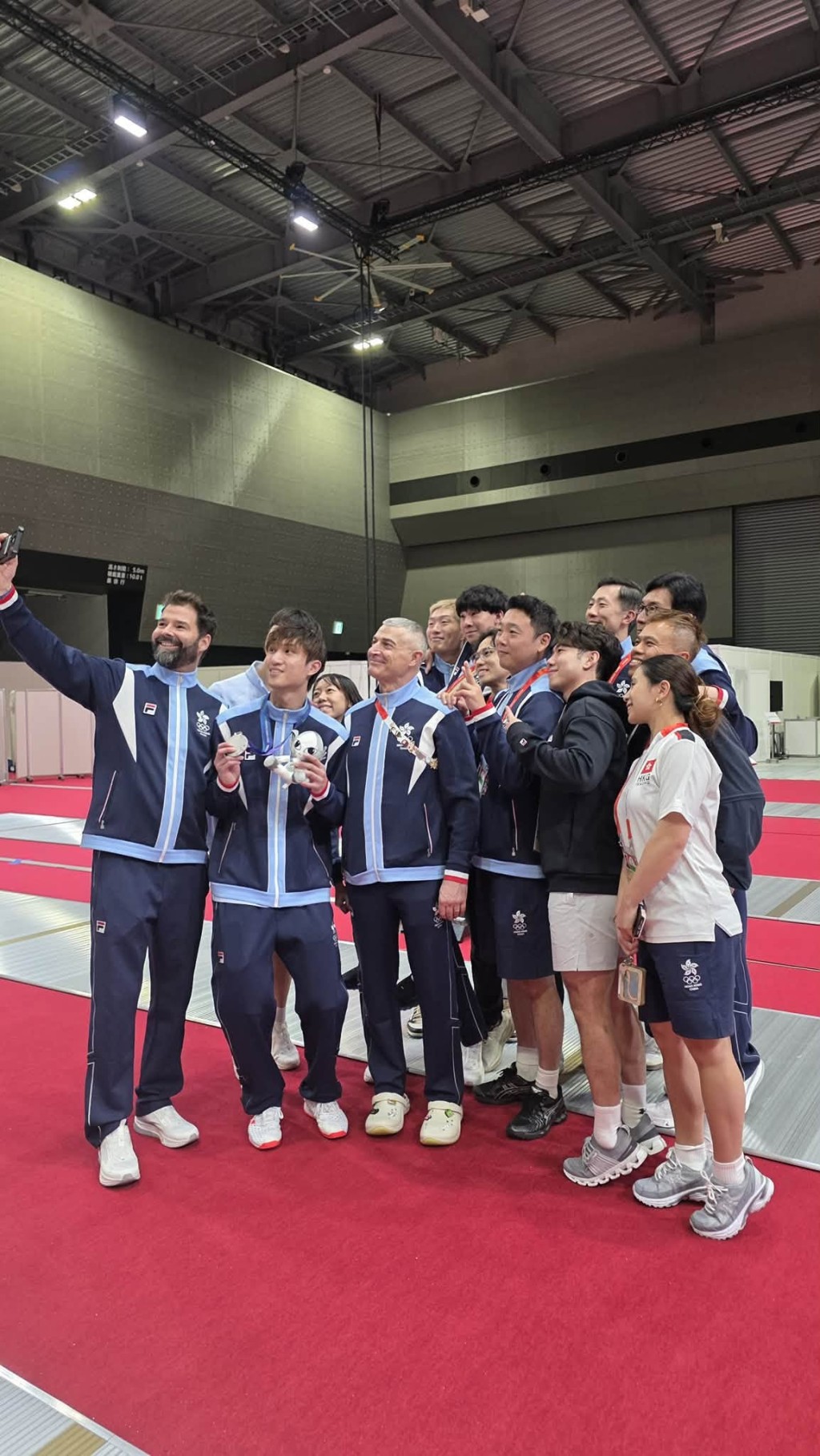
Personal records matter beyond medals
Law said the achievements of Hong Kong athletes should not be judged solely by the number of medals they take home.
She pointed to competitors who surpassed their previous performances, established new local records or reached the podium at the Asian Games for the first time.
That message has been reflected in several results during the Games.
Grace Lau, for example, improved on her bronze medal finishes from the previous two Asian Games by taking silver in the women’s individual kata event. Hong Kong’s women’s 4x100 metre freestyle relay team also won silver while setting a new Hong Kong record.
In fencing, Ryan Choi won silver in the men’s individual foil event on September 22, while wushu athlete Lau Chi lung claimed silver in the men’s nanquan and nangun event. Cyclist Leung Wing yee also secured bronze in the women’s road race.
Law said these performances showed athletes making progress against their own previous standards, something she considered just as meaningful as standing on the podium.
For younger competitors in particular, an Asian Games provides experience that cannot easily be replicated in ordinary training or domestic competition. Athletes face opponents from across Asia, compete under intense public attention and have to adjust quickly to unfamiliar venues and competition conditions.
Team support becomes part of the competition
Law also drew attention to the atmosphere within the Hong Kong delegation.
According to the sports minister, athletes repeatedly supported teammates competing in different events, creating a sense of unity across sports that normally have little connection with one another.
Fencers, swimmers, martial artists, cyclists and competitors from team sports were all part of the same delegation, but their experiences during the Games were closely linked.
An athlete waiting for an event could also become a supporter in the stands. A competitor finishing one event could then encourage another Hong Kong athlete preparing for a completely different discipline.
Law said this level of mutual support reflected the sporting values she saw throughout the delegation.
The results also showed how different forms of preparation can produce breakthroughs. Some athletes arrived with previous Asian Games experience, while others were competing at this level for the first time.
Lau Chi lung, for instance, won his first Asian Games medal in wushu, while several other competitors recorded results that improved on their previous Games performances.
First athletes return to Hong Kong
Law also took part in arrangements to welcome the first group of athletes returning to Hong Kong, including members of the karate and football contingents.
For athletes completing their events early, the focus shifted from competition to recovery. Law encouraged them to take sufficient time to rest after the physical and mental demands of the Games.
She also urged younger members of the delegation to use the experience as part of their long term development.
An Asian Games appearance can expose emerging athletes to higher standards of competition, new opponents and the pressures that accompany major international events. Those lessons can influence how they prepare for future competitions and develop their careers.
The advice came as the Hong Kong delegation continued competing in Japan, with several events still to be decided.
Hong Kong delegation continues competition
Law’s visit ended on September 24, but her attention remained on the athletes still competing at the Games.
Hong Kong added seven medals on September 24, including a gold for rower Chiu Hin Chun in the men’s lightweight single sculls. Wushu athlete Leung Yu hang won silver in the men’s 60 kilogram sanda event, while swimmer Siobhan Bernadette Haughey claimed silver in the women’s 50 metre freestyle.
The same day also brought three silver medals in rowing and bronze medals in rowing and fencing, taking Hong Kong’s total to 23 medals at that stage of the competition.
The medal tally will continue to change as more events are completed, but Law’s message to the delegation was broader than the final count.
For the athletes still competing, the immediate task is straightforward: prepare for the next event, recover properly and perform to the standard they have worked towards.
For those whose competitions have ended, the priority is rest. For younger athletes, the experience now becomes part of their preparation for the next stage of their careers.
As the Games continue, Hong Kong supporters can follow the remaining competitions and continue backing the athletes still representing the city in Japan.
Will Hong Kong’s athletes add more medals before the Asian Games come to an end?