

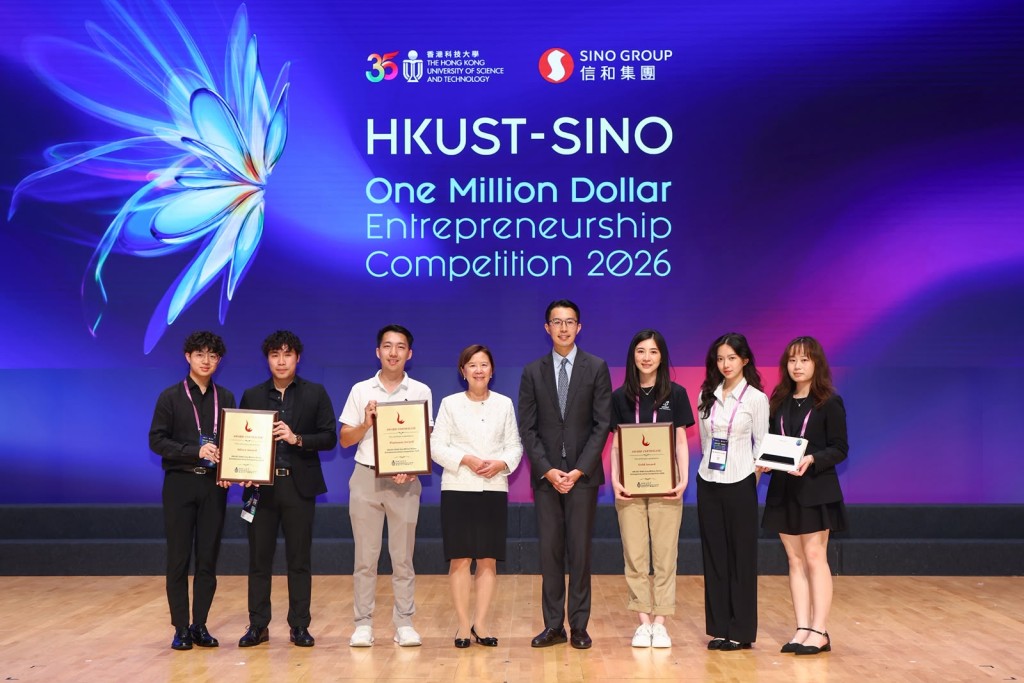
An electric vehicle conversion system that could help cut emissions and a plug and play robotics brain module emerged as the biggest winners at the HKUST SINO One Million Dollar Entrepreneurship Competition 2026. The awards ceremony also marked the launch of a new incubation programme designed to connect promising startups with investors, industry partners and commercial opportunities.
Held at the Shaw Auditorium at The Hong Kong University of Science and Technology (HKUST), the competition brought together entrepreneurs developing solutions in electric mobility, biotechnology, robotics and renewable energy. Organised jointly by HKUST and Sino Group, the event recognised ventures seeking to turn technological ideas into practical products and services.
The newly announced HKUST InnoBay 1M PLUS programme will extend this effort beyond the annual competition. By connecting promising businesses with industry networks, investors and opportunities to test their products, the initiative aims to help startups move from early development towards commercial use.
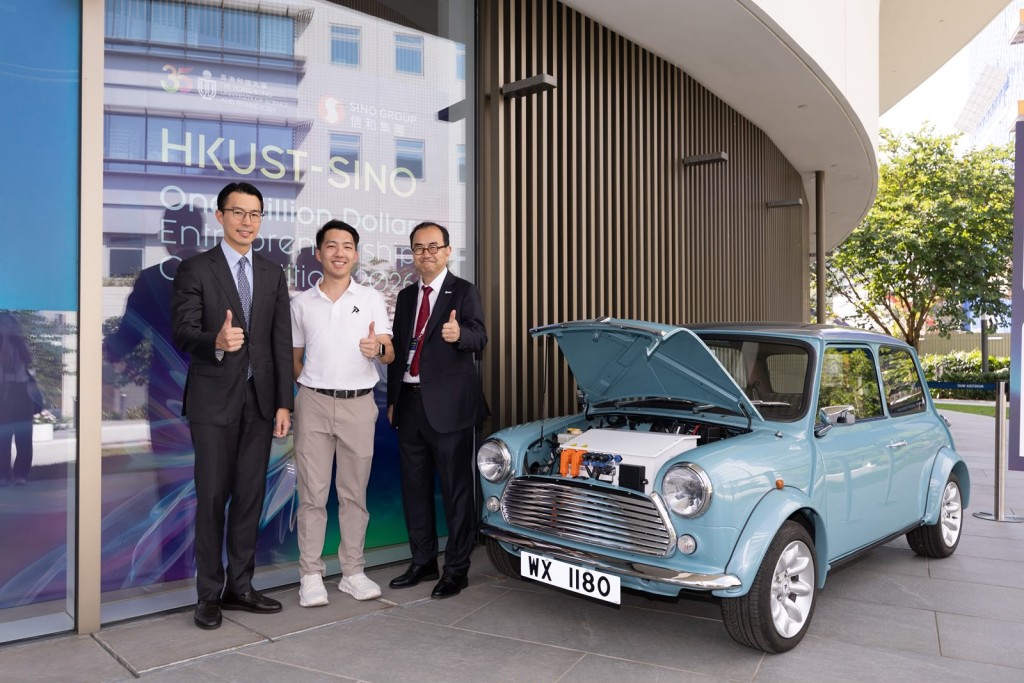
Electric Vehicle Conversion Startup Wins Top Hong Kong Award
Refined Motor Company claimed the Platinum Award as champion in the HKUST Track for its modular electric vehicle conversion solution. The company also received the Sustainability Impact Award for its approach to reducing carbon emissions and extending vehicle lifespans.
The technology offers an alternative to replacing conventional vehicles with entirely new electric models. Its modular conversion system is designed to allow existing vehicles to be converted to electric power, potentially helping owners reduce their reliance on fossil fuels while keeping their vehicles in service for longer.
According to the competition announcement, the company has Hong Kong's only approved electric conversion system of this kind.
The approach could appeal to vehicle owners and operators who want to reduce emissions but face the expense of replacing their existing vehicles. Extending the useful life of a vehicle may also reduce the need to purchase a replacement, although the overall environmental benefits depend on factors such as the conversion process, vehicle condition and electricity sources.
The technology's wider adoption will depend on practical considerations, including installation costs, vehicle compatibility, regulatory requirements and access to charging infrastructure.
Winning both the main championship and the Sustainability Impact Award gave Refined Motor Company recognition for its engineering approach and its potential contribution to cleaner transport.
AI Powered Gene Therapy Platform Takes Second Place
Advent Gene Therapeutics secured the Gold Award as first runner up in the HKUST Track. The company also won the NextGen Biotech Award for its artificial intelligence powered viral vector design platform.
The platform aims to improve the delivery of gene therapies by using AI to assist in designing viral vectors. These vectors can carry genetic material into target cells and are used in certain gene therapy treatments.
Designing effective vectors presents scientific challenges. Researchers must consider how efficiently a vector delivers genetic material, whether it reaches the intended cells and how safely it behaves in the body.
By applying artificial intelligence to vector design, Advent Gene Therapeutics aims to improve this process. The competition's recognition placed its work among the biotechnology innovations attracting attention at the event.
The award does not, by itself, establish clinical effectiveness or regulatory approval. Those outcomes require further scientific evidence and, where applicable, appropriate clinical evaluation.
Nevertheless, the project illustrates how AI is being applied to problems in biotechnology, where more effective design methods could help researchers investigate new approaches to treatment.
Smart Ski Apparel Combines Motion Capture With Live Coaching
Syntrak took the Silver Award as second runner up in the HKUST Track for its smart ski apparel and live coaching system.
The technology combines wearable equipment with motion capture to provide feedback on a skier's movements. Rather than relying exclusively on a coach's observations after a run, users can receive information intended to help them understand and improve their technique.
Motion capture can help identify movement patterns that are difficult to assess through casual observation alone. When paired with coaching feedback, such information could support more targeted training for recreational skiers and athletes.
Syntrak also received a People's Choice Award during the ceremony's live audience voting session, giving the company recognition beyond the main judging results.
The company's performance earned it a place among the three Hong Kong Track winners advancing to the next stage of the competition.
Hong Kong Winners Prepare for December Grand Final
Refined Motor Company, Advent Gene Therapeutics and Syntrak will represent Hong Kong at the Grand Final on December 18, 2026.
They will compete against regional champions from Beijing, Shanghai, Foshan, Guangzhou and Shenzhen.
The final will bring together startups from several major innovation centres across mainland China and Hong Kong. For the participating businesses, the event offers another opportunity to present their technologies and business propositions to a wider audience.
The teams will need to demonstrate not only what their products can do but also how they could meet customer needs, compete in their respective markets and develop sustainable business models.
The regional format also creates opportunities for founders to build relationships with potential partners and learn how other businesses are approaching similar commercial challenges.
With electric mobility, biotechnology and sports technology represented among the Hong Kong finalists, the local team will bring a varied selection of projects to the December event.
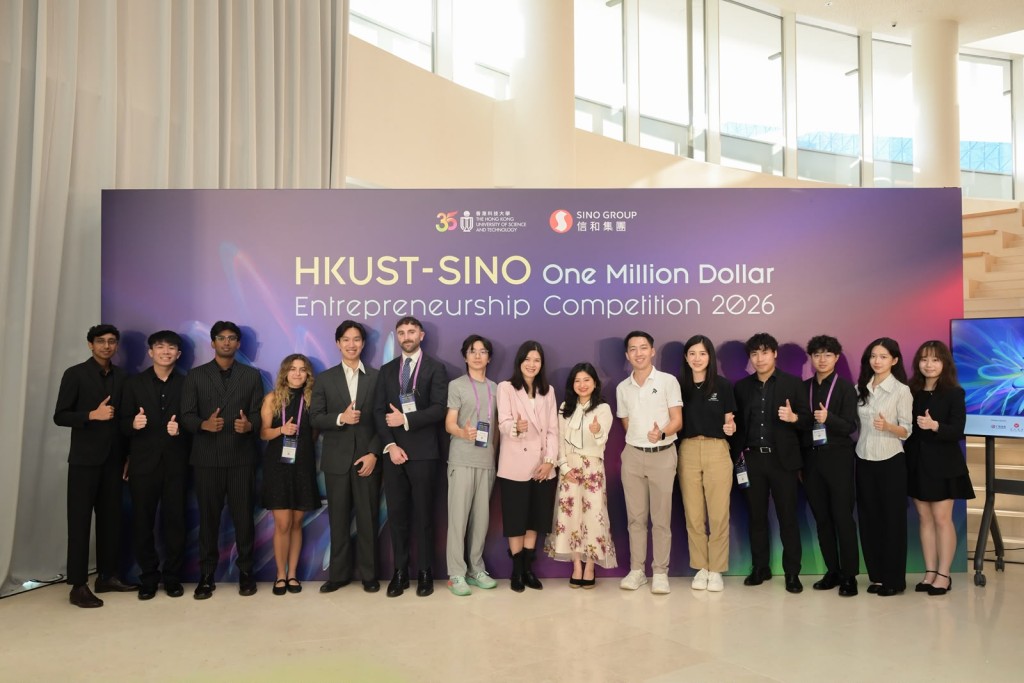
Robotics Brain Module Wins International Student Track
In the International Student Track, MirrorSpace Technology won the Platinum Award for its embodied spacetime brain module for robotic platforms.
The company is developing a plug and play module designed to provide intelligence capabilities for robots. A modular approach could help developers integrate the technology into robotic platforms without having to build every component of the system from scratch.
Robotics developers often need to combine hardware, software, sensing and computational capabilities to enable machines to respond to their surroundings. Reusable modules can potentially simplify integration and reduce development work, depending on the functions they support and the platforms with which they are compatible.
MirrorSpace Technology's award recognised its entry in a competition that also featured projects focused on clean energy and resource efficiency.
The announcement did not provide detailed performance figures, supported robot types or commercial deployment information for the module. Its practical value will ultimately depend on how effectively it performs in real operating conditions and whether developers can integrate it into their systems.
Renewable Energy Projects Complete the International Podium
Two renewable energy ventures claimed the remaining podium places in the International Student Track.
Electromaim won the Gold Award for its in pipe micro hydroelectric generation system, which is designed to generate electricity from water flowing through pipes.
The concept seeks to recover energy from existing water infrastructure. Depending on the flow rate, pressure conditions and system design, in pipe generation could offer a way to produce electricity without constructing a conventional standalone hydropower facility.
The amount of energy generated and the system's economic viability would depend on installation costs, maintenance requirements and whether the equipment affects the underlying water network's operation.
Waveity received the Silver Award for its offshore wave energy generation system.
The project focuses on converting the movement of ocean waves into electricity. Wave energy offers a potential renewable power source, but developers must overcome challenges associated with changing sea conditions, equipment durability, maintenance and the costs of offshore installation.
The two projects approach renewable energy from different directions. Electromaim looks to recover power from water infrastructure, while Waveity aims to harness the energy available in the sea.
Their recognition placed resource efficiency and alternative electricity generation among the international student entries honoured at the competition.
AI and Social Impact Receive Special Recognition
The competition also presented specialist awards to recognise work in emerging technology and societal impact.
Cresento received the Transformative AI Award, while BeyondCare won the Societal Influential Award.
These honours added to the main track rankings by recognising projects selected under categories focused on artificial intelligence and social influence. The competition announcement did not provide additional technical details about the two projects or quantify their wider impact.
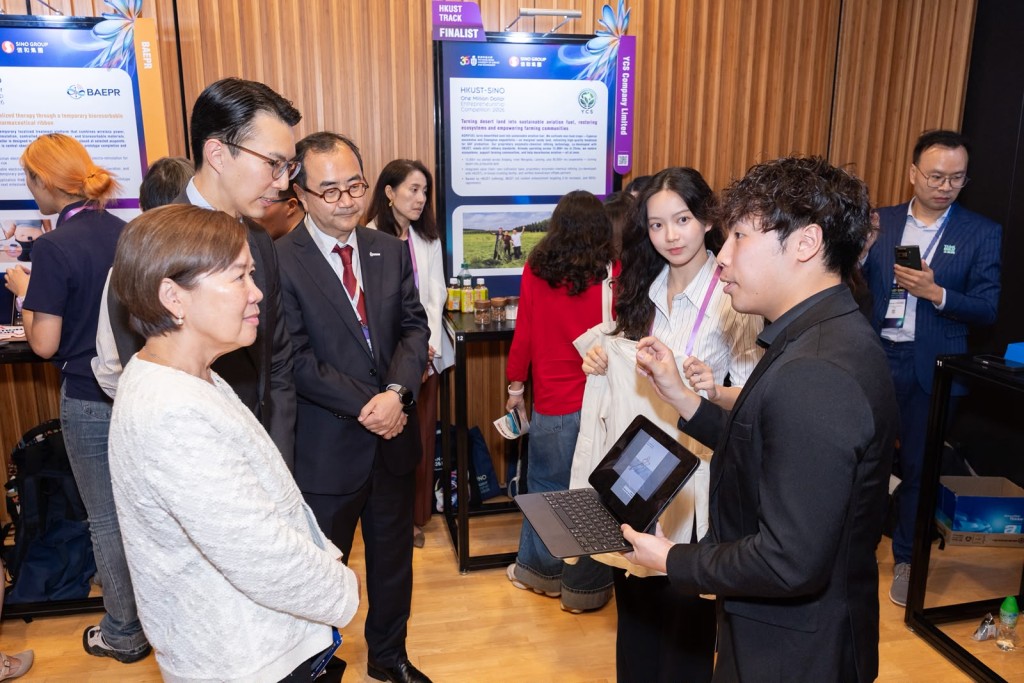
Audience voting provided another form of recognition. Syntrak, Advent Gene Therapeutics and Singapore based team BAEPR received People's Choice Awards during the live voting session.
The awards gave audience members an opportunity to recognise projects they favoured, alongside the results determined through the competition's main judging process.
New HKUST InnoBay 1M PLUS Programme Targets Startup Growth
Beyond the awards, organisers announced the HKUST InnoBay 1M PLUS programme, a joint initiative intended to support startups after the competition ends.
The programme will connect high potential businesses from mainland regional contests with Hong Kong's industry networks, investors and business resources. Its aim is to establish a more continuous route from entrepreneurial competitions to incubation and commercialisation.
Developing a promising technology is only one part of building a successful startup. Early stage companies may also need access to testing facilities, customers, industry expertise, investment and partners who can help turn a prototype into a commercially viable product.
The new initiative is designed to address these needs through real world testing environments, partnership matching and proof of concept opportunities.
Its first cycle will focus on smart city technologies. These can include systems and services intended to improve urban infrastructure, public services, connectivity and the management of city resources.
The programme will receive support from several institutional and corporate partners, including Samsung Electronics, Hong Kong Cyberport, the Hong Kong Science and Technology Parks Corporation and the Smart City Consortium.
Their participation is intended to connect emerging businesses with industry resources and opportunities to test or develop their solutions.
The organisers have not yet detailed the programme's funding arrangements, selection criteria or the number of startups expected to participate. These details will help clarify how businesses can apply and what specific support successful applicants will receive.
HKUST and Sino Group Seek Practical Results From Innovation
HKUST President Nancy Ip said the university remained committed to turning academic discoveries into practical benefits for society.
She added that the competition helps researchers and aspiring founders develop the skills needed to address community challenges while contributing to the wider regional startup ecosystem.
Universities can provide researchers with technical expertise, facilities and opportunities to develop new ideas. Bringing those ideas to market often requires a different set of resources, including business planning, industry partnerships, customer feedback and investment.
The InnoBay 1M PLUS programme is intended to help bridge that gap by connecting promising ventures with organisations that may support further testing, development and commercial deployment.
Sino Group Deputy Chief Executive Officer David Ng said innovation creates meaningful impact when it is applied in practical settings.
He expressed confidence that the new initiative would connect emerging businesses with commercial partners and investors, supporting the continued development of Hong Kong's technology sector.
The partnership between HKUST and Sino Group therefore seeks to extend the competition's influence beyond the award ceremony. The programme's success will depend on whether it can help participating startups secure partnerships, test their technologies and develop products that businesses and consumers are willing to adopt.
For the Hong Kong finalists, the immediate next step is the December 18 Grand Final. For other participating ventures, the new incubation initiative could offer another route towards commercial development.
Which innovation has the greatest potential to change everyday life: electric vehicle conversion, AI powered robotics, gene therapy or renewable energy? Share your thoughts in the comments.