

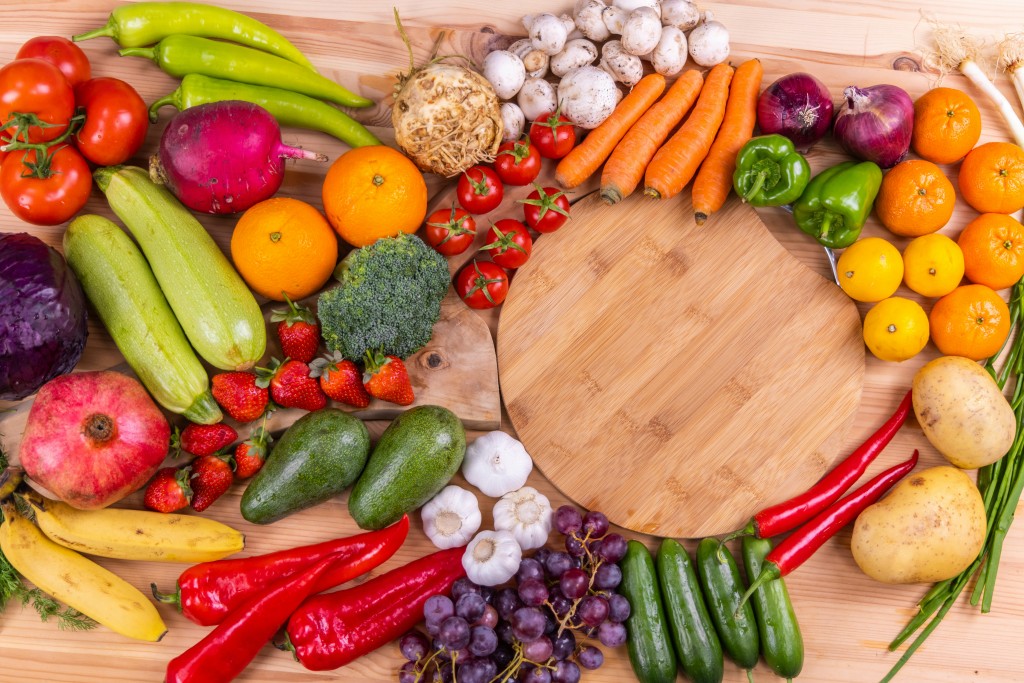
Peeling an apple, potato or carrot may seem like a harmless kitchen habit, but it can also mean throwing away some of the food's fibre, vitamins and protective plant compounds. According to registered dietitian Lindsey DeSoto, several fruits and vegetables contain a higher concentration of nutrients in or just beneath their outer layers than in the flesh.
The finding does not mean every peel should be eaten raw or that keeping the skin automatically makes a food healthier. Some skins are tough, bitter or difficult to digest and are better cooked, blended or used in soups and other dishes. Proper washing is also important because the surface of produce can come into contact with soil, bacteria and pesticide residues.
Here are 10 fruits and vegetables where keeping the skin can add nutritional value.
1. Apples
The skin is one of the nutrient rich parts of an apple. Red, green and yellow apple skins contain plant compounds such as quercetin, an antioxidant associated with protection against inflammation and support for overall gut health.
Removing the skin also removes some of the fruit's fibre. For people who already eat apples regularly, simply washing them well and eating them whole can therefore provide more of the fruit's natural nutrients.
Pesticide residues are one reason some people prefer peeling apples. Non organic apples can contain residues on their outer surface, although pesticide use is regulated and safety limits are established for food products. Thoroughly rinsing apples under running water can reduce surface residues. Consumers who remain concerned can also choose organic produce.
2. Kiwi
Kiwi skin is edible, although its texture can be off putting for some people. Eating the fruit with its skin can increase fibre intake by roughly 50 percent compared with eating only the flesh.
Kiwi is also a good source of vitamins C and E, both of which contribute to normal immune function and protection against oxidative stress.
Those who dislike the fuzzy texture do not necessarily have to peel the fruit completely. Rubbing the skin gently with a clean towel can remove some of the fuzz. Golden kiwis offer another option because their skin tends to be smoother and less hairy than that of traditional green varieties.
3. Peaches
The fuzzy outer layer of a peach contains fibre and plant compounds that would otherwise be discarded when the fruit is peeled.
Peach skin also contains chlorogenic acid, a naturally occurring antioxidant compound that has been studied for its potential anti inflammatory effects and possible links to blood pressure and cholesterol regulation.
The fruit should be washed carefully before eating, particularly because the skin comes into direct contact with the environment. Once cleaned, there is generally little reason to remove the peel if its texture is acceptable.
4. Potatoes
Potatoes are among the most familiar examples of a food that can be eaten with its skin. The difference can be significant depending on how the potato is prepared.
Baked potatoes eaten with their skin contain more iron and potassium than peeled boiled potatoes. Keeping the skin also adds roughly 1.5 grams of additional fibre.
That fibre can slow the digestion and absorption of carbohydrates, which may help moderate the rise in blood sugar after eating. The effect does not make potatoes a low carbohydrate food, but keeping the skin can change the nutritional profile of the meal.
Potato skins are particularly useful when the potatoes are baked, roasted or prepared in other ways that leave the outer layer intact.
5. Watermelon
Most people throw away the watermelon rind after eating the red flesh. However, the white layer between the flesh and the outer green rind contains fibre and citrulline, an amino acid related compound that has been studied for its role in blood vessel function and circulation.
The outer rind is firm and not particularly pleasant to eat raw. Instead, the white portion can be cooked, pickled, added to stir fries or blended into smoothies.
Using more of the watermelon can also reduce food waste. Rather than treating the rind as something that automatically belongs in the bin, it can become another ingredient when prepared properly.
6. Oranges
Orange peel contains concentrated amounts of vitamin C and a range of plant compounds. One tablespoon of orange zest can provide around 9 percent of the daily value for vitamin C.
The peel also contains fibre and compounds including flavonoids and limonene. These substances have antioxidant and anti inflammatory properties and are being studied for possible effects on healthy aging and brain health.
That does not mean eating large quantities of orange peel will prevent disease. Evidence for some of the proposed benefits remains limited, particularly in human studies.
The bitter taste is another practical issue. Instead of eating the peel directly, people can use finely grated zest in cooking, baking, sauces, salads and drinks.
7. Bananas
Banana peels rarely make it onto people's plates, but they contain fibre, potassium and antioxidant compounds, including carotenoids and flavonoids.
The peel is firm and has a bitter taste, making it unsuitable for most people to eat raw. Cooking, roasting or blending can make it easier to use.
Banana peel can be incorporated into certain recipes where its texture is softened or processed. Anyone trying it should wash the banana thoroughly first and remove damaged sections.
The nutritional value of the peel makes it an interesting option for reducing food waste, but there is no need to force yourself to eat it if you dislike its taste or texture.
8. Grapes
Much of the attention surrounding grapes focuses on their juicy flesh, but the skin contains important plant compounds of its own.
Red grape skins are particularly rich in resveratrol, a naturally occurring compound that has been studied for possible links to cardiovascular and metabolic health.
Research has also explored whether resveratrol could influence blood sugar regulation and body weight. However, evidence from human studies remains limited, so these findings should not be interpreted as proof that eating grape skins prevents or treats a particular condition.
Since grapes are normally eaten whole, washing them thoroughly before consumption is especially important.
9. Carrots
Carrots are often peeled for appearance or texture, but the outer layer contains minerals and antioxidant compounds, including beta carotene and chlorogenic acid.
Beta carotene is converted by the body into vitamin A, which supports normal vision, immune function and other biological processes.
Interestingly, cooking carrots does not necessarily reduce their nutritional value. Heat can break down plant cell walls, making some beta carotene easier for the body to absorb. Juicing or cooking whole carrots can therefore improve access to certain compounds.
For many preparations, simply scrubbing carrots under running water is enough to remove surface dirt while leaving the nutrient rich outer layer intact.
10. Onions
Onion skins are usually discarded before cooking, but red onion skins contain anthocyanins, antioxidant pigments responsible for much of the red and purple colour found in the outer layers.
Anthocyanins have been studied for their potential role in reducing inflammation and supporting cardiovascular, liver and brain health.
The skin is not normally eaten directly because of its tough texture. Instead, it can be added to soups and stews during cooking and removed before serving. Some people also dry the skins and grind them into a powder for use as seasoning.
There is one limitation. If the skins are strained out before eating, their dietary fibre will not be consumed.
How to Wash Produce Safely
Keeping the skin on means more of the food's surface reaches the plate, so cleaning becomes particularly important.
The US Environmental Protection Agency regulates pesticide residues on food, but washing produce remains a basic food safety practice. Consumers should rinse fruits and vegetables thoroughly under running water before eating or cutting them.
For firm produce such as potatoes and carrots, a clean produce brush can help remove dirt from the surface. Softer fruits can be rubbed gently with clean hands while being rinsed.
Washing is necessary even when the produce will eventually be peeled. Cutting an unwashed fruit or vegetable can transfer bacteria from its surface to the edible flesh through a knife.
Soap and household bleach should never be used to wash food. Produce should instead be cleaned with running water, followed by removal of visibly damaged or bruised portions.
Organic Does Not Mean Pesticide Free
Apples, grapes, peaches and potatoes are among the produce items that can have higher pesticide residues on their outer surfaces. Thorough washing can help reduce exposure, while choosing organic produce is another option for consumers who want to limit exposure to conventionally used pesticides.
However, organic food should not be described as completely pesticide free. Organic farming can involve approved pesticides, and organic produce can still carry environmental contaminants or bacteria if handled improperly.
The simplest approach is practical: wash produce properly, remove damaged sections and keep edible skins when their texture and taste work for the dish.
A Small Change With a Nutritional Payoff
Peeling is often done automatically, but it is not always necessary. Apples, kiwis, peaches, potatoes, carrots and grapes can generally be eaten with their skins after proper washing, while tougher materials such as watermelon rind, banana peel and onion skins can be incorporated into cooked or blended dishes.
Keeping the skin is not a cure all, and the nutritional difference varies from one food to another. But when the skin is edible and properly cleaned, throwing it away can mean discarding fibre and plant compounds along with it.
Which fruit or vegetable peel would you be willing to keep in your diet after learning about its nutritional value?