

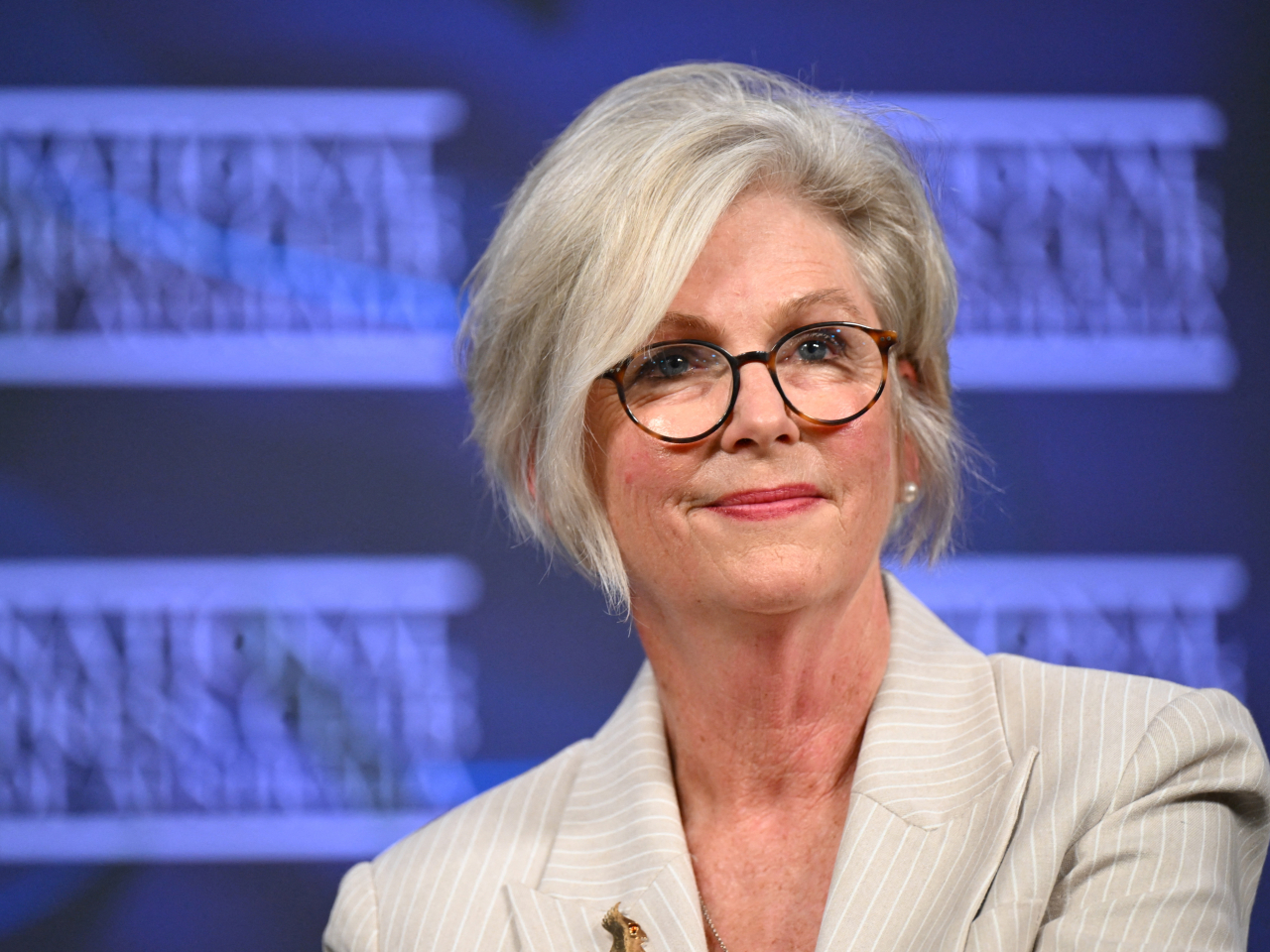
Independent MP Helen Haines is in critical condition after a car deliberately struck her outside her office in Victoria, prompting a police investigation involving a terrorism taskforce.
Australian lawmaker Helen Haines was critically injured after a car deliberately struck her outside her office in Wangaratta, Victoria, on Monday, prompting an investigation involving a terrorism taskforce. Prime Minister Anthony Albanese said a 43 year old man had been arrested, while authorities worked to establish what motivated the attack on the 65 year old independent member of parliament.
Haines was airlifted to hospital following the incident, Albanese confirmed. The attack has raised concerns about the safety of elected representatives in Australia, where political violence of this kind is extremely rare, and renewed questions about the increasingly hostile tone of political debate online.
Albanese said investigators had not yet determined the suspect's motive and cautioned against drawing conclusions before police established the facts. However, he pointed to the growing intensity of political commentary on social media, where anonymous users can make statements they might hesitate to express in person.
The prime minister also stressed that Australians must be able to interact with their elected representatives in everyday settings without fear of violence. He said open contact between politicians and the public remains an important part of the country's democratic system.
Police Arrest Suspect After Attack on Helen Haines
Victoria Police confirmed that a 43 year old man had been arrested following the attack on Haines in Wangaratta, a regional city about three hours' drive northeast of Melbourne.
The circumstances surrounding the incident remained under investigation on Monday. Albanese said a terrorism taskforce would investigate the suspect, although authorities had not publicly established a motive for the attack.
The involvement of the taskforce does not, by itself, establish that the incident was terrorism related. Investigators will need to determine what happened, whether the suspect acted for a political or ideological reason, and whether any additional circumstances influenced the attack.
Victoria Police Acting Superintendent Ashley Mason said there was no further threat to the public arising from the incident.
The statement offered some reassurance to residents in Wangaratta while police continued their investigation. However, officials had not released further details about the suspect or explained what may have led to the confrontation outside Haines' office.
The attack has drawn attention to the risks faced by politicians who work closely with their local communities. Members of parliament regularly attend public meetings, visit workplaces, meet constituents and maintain offices where people can approach them directly.
For independent representatives such as Haines, maintaining those local connections is a central part of their role. The incident has raised concerns about how politicians can continue that work while ensuring their own safety and that of their staff.
Albanese Warns of Rising Hostility in Political Debate
Speaking to the Australian Broadcasting Corporation, Albanese was asked whether growing anger surrounding politics had increased concerns about attacks on elected representatives.
He pointed to the way social media allows people to publish hostile comments while concealing their identities or avoiding direct personal contact.
"The concern, if you look at anyone's social media feeds and look at the comments, people will say things that they would never say face to face. But the temperature has undoubtedly been increased. Not just here in Australia, of course. We've seen incidents internationally as well," Albanese said.
His comments reflected concern about the tone of political discussion, particularly when online hostility moves beyond criticism of policies and public decisions.
Political disagreement is a normal feature of democratic life. Representatives face questions about their decisions, campaigns and public statements, and voters must be able to challenge them. The concern raised by Albanese was that increasingly aggressive rhetoric could make ordinary political engagement more difficult or create an atmosphere in which threats and intimidation become more common.
The prime minister did not say that online comments had caused the attack on Haines. He acknowledged that investigators had not established a motive and referred to social media as part of a broader discussion about the changing tone of public debate.
He also warned against allowing concerns about violence to undermine direct contact between politicians and the people they represent.
"Here in Australia, it is a good thing that politicians are able to go about their community and engage with people," he said.
"I don't want to see a political system in which you can't have conversations with people at the supermarket, in the street, at street meetings, public forums. That's an important part of our democracy."
Albanese's remarks highlighted a difficult balance for public officials. Security measures must protect elected representatives, but excessive restrictions could also limit the public's ability to approach them, ask questions and raise local concerns.
Family Thanks Bystanders and Emergency Workers
Haines' family issued a statement through her Facebook page following the attack, thanking the people who assisted her and the emergency services that responded.
"We thank the swift assistance of bystanders and the dedicated health workers who assisted her, and police for their response," the family said.
The statement acknowledged the role of people at the scene who acted quickly before and during the emergency response. Haines was subsequently airlifted to hospital, according to Albanese.
The prime minister also expressed support for the injured MP, her relatives, colleagues and constituents.
"All of our thoughts are with Helen, her family, her friends, her team, and her community at this extremely difficult time. We are praying for her full recovery," Albanese said at a press conference.
As of Monday, Haines remained in critical condition. Authorities had not provided further medical details in the supplied report, and no additional information about her recovery was available.
The incident has affected not only Haines and her family but also the people who work with her and the community she represents. Local representatives often develop long standing relationships with constituents, making an attack on a sitting MP a source of concern well beyond parliament itself.

Who Is Helen Haines?
Haines, 65, represents the federal electorate of Indi in Victoria. She entered parliament as an independent in 2019 after working in nursing, midwifery and academia.
Her professional background in healthcare and education preceded her move into federal politics. As an independent MP, she has pursued issues outside the traditional party structure and opposed several proposals that she believes would affect public accountability and government policy.
According to her official website, Haines has opposed proposals that would make political donations to major parties more secretive. She has also opposed banning mobile phones in immigration detention and criticised the spending of billions of dollars on fossil fuel subsidies.
These positions illustrate the range of policy issues she has addressed during her parliamentary career, from political transparency to immigration policy and government spending.
Independent MPs can play a distinct role in parliament because they are not formally bound to vote according to the position of a major political party. Their influence depends on parliamentary numbers, their relationships with other representatives and the issues they choose to pursue.
Haines' election in 2019 established her as the federal representative for Indi. Her work in the electorate has involved the direct community engagement that Albanese described as an important part of Australian democracy.
The attack has therefore raised immediate concerns about her health as well as the safety of politicians carrying out their responsibilities in their own communities.
Investigation Continues as Australia Awaits Answers
Police have confirmed the arrest of a suspect and said there is no further threat to the public from the incident. However, several important questions remain unanswered, including the suspect's motive and whether the attack was connected to Haines' political work.
The decision to involve a terrorism taskforce means investigators will examine the circumstances within that investigative framework, but it should not be taken as confirmation of a terrorist motive.
Albanese has urged caution while police establish the facts. His comments about online hostility have added a broader political dimension to the incident, although investigators have not established a link between social media activity and the attack.
The case also raises practical questions about protecting elected officials without cutting them off from their constituents. Australian politicians regularly meet voters in public places, attend community events and work from electorate offices. Maintaining that access is important, but an attack of this nature may prompt renewed discussion about security arrangements.
For now, Haines' recovery remains the immediate concern for her family, colleagues and constituents. Police must establish what happened outside her Wangaratta office and why the suspect allegedly targeted her.
What measures can Australia take to protect elected representatives while preserving the public's right to engage with them directly?