
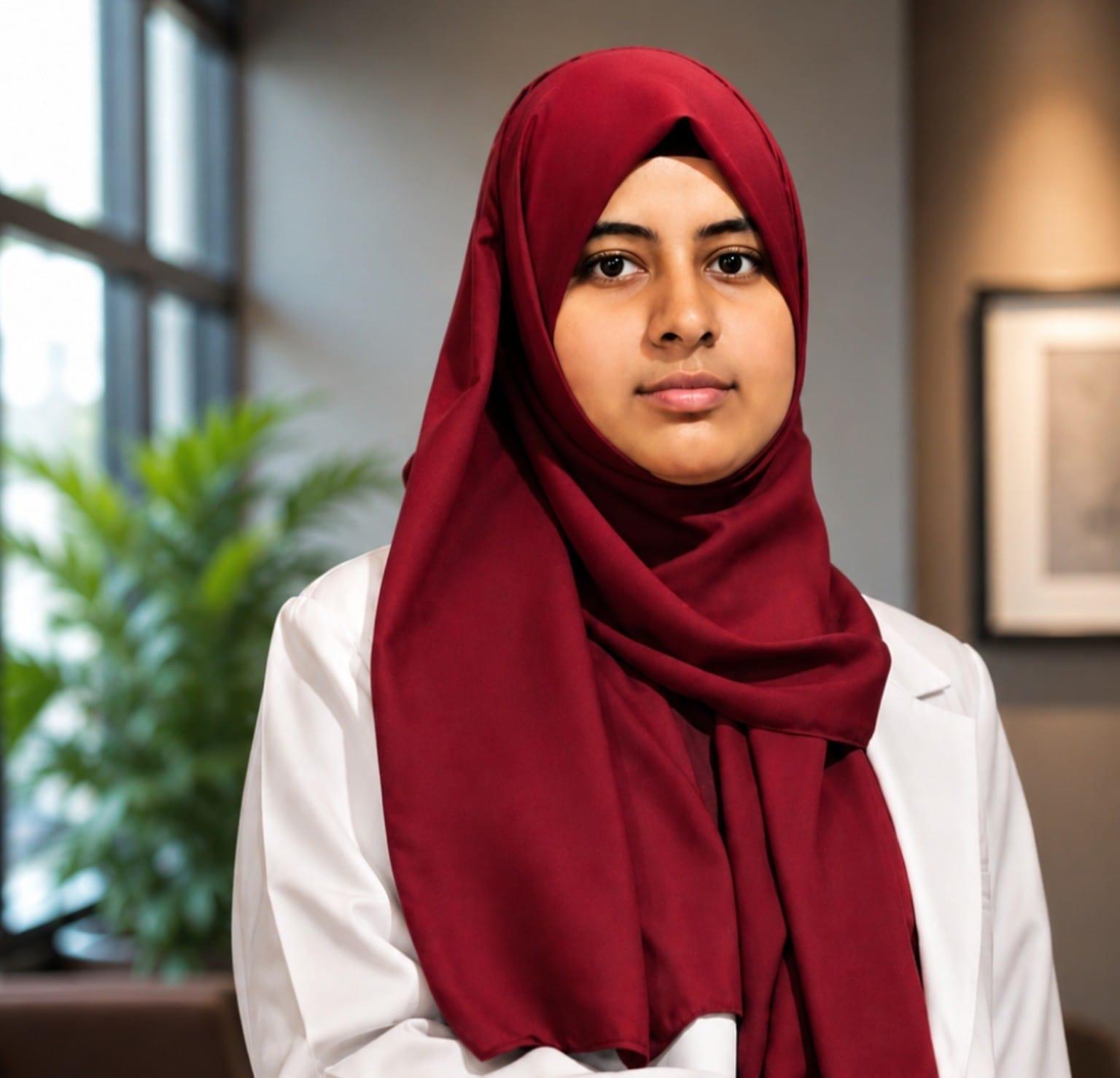
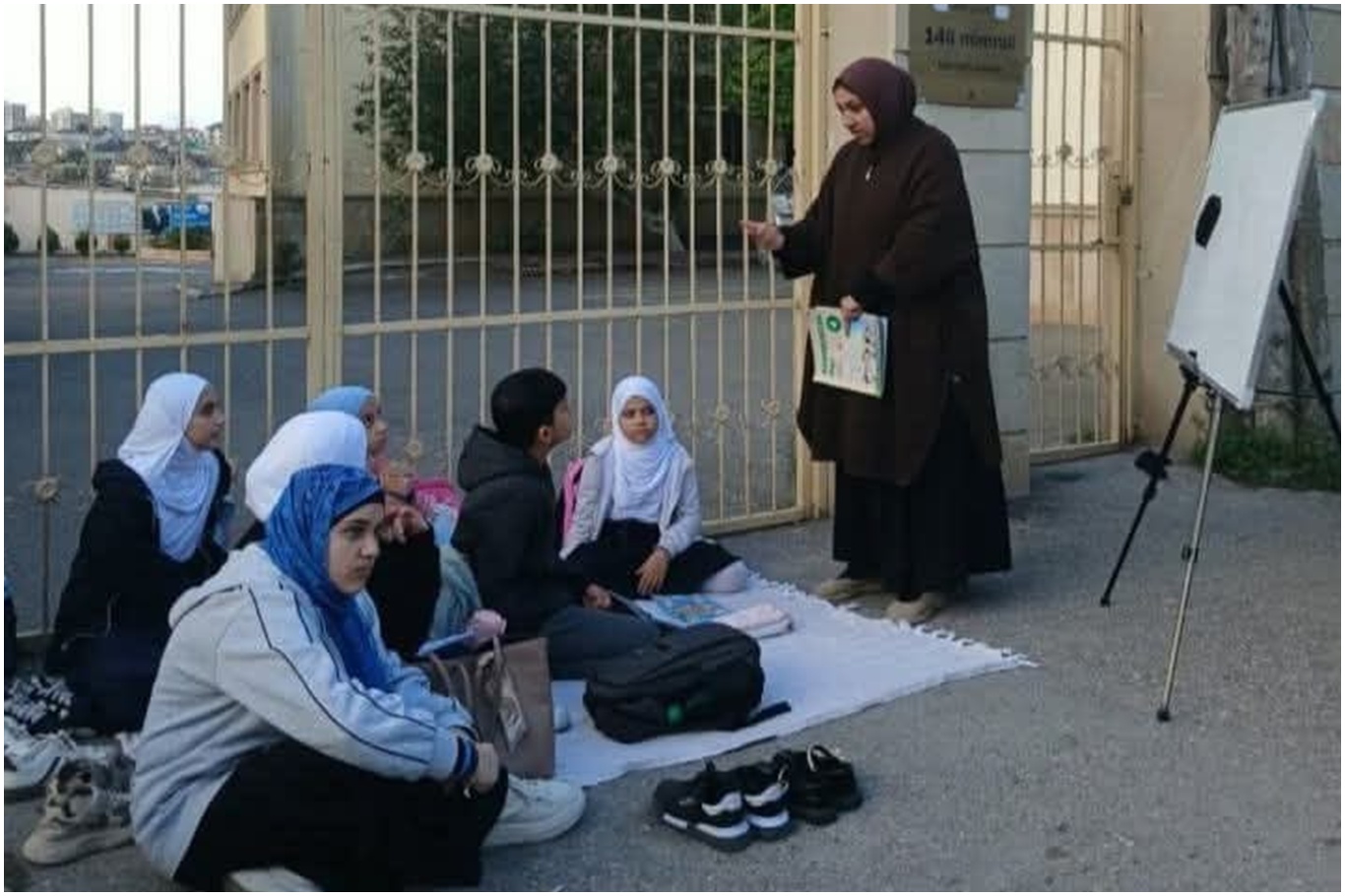
Girls wearing hijabs have reportedly been turned away from schools in Azerbaijan, triggering student boycotts, public protests and arrests as the country’s revised school uniform rules ignite a growing dispute over religious freedom. Demonstrations have also reached Türkiye, where protesters gathered outside Azerbaijani diplomatic missions to demand that the government reconsider restrictions affecting Muslim students and teachers.
The controversy has placed Azerbaijan’s secular education policy under intense scrutiny. While authorities have defended standardised school clothing requirements, critics argue that enforcing the rules against students who wear Islamic headscarves risks denying them access to education because of their religious beliefs. Reports of detentions during protests have added another layer to the dispute, raising questions about how the government is responding to public opposition.
At the centre of the debate is a difficult question: should girls have to remove their hijabs to attend public school in a Muslim majority country?
Why Has Azerbaijan Restricted Hijabs in Schools?
The dispute intensified after Azerbaijan revised its school uniform regulations in September 2026. The amended rules set requirements for student clothing and restrict additional garments considered inconsistent with the prescribed uniform or the secular character of general education.
Although reports have widely described the policy as a hijab ban, the distinction between the wording of the regulations and their reported enforcement matters. The rules have been presented as uniform requirements rather than an explicit prohibition naming the Islamic headscarf. However, students and teachers have reportedly faced restrictions when arriving at school wearing hijabs.
For families affected by the policy, the practical consequences are immediate. A girl who is refused entry because she wears a headscarf may miss lessons, fall behind in her studies and face uncertainty about whether she can return to the classroom without changing her religious dress.
Azerbaijan has a Muslim majority population, but the country operates under a secular political and legal framework. Authorities have defended the school clothing rules within that framework, while opponents question whether secular education requires restrictions on religious clothing.
The disagreement is not simply about uniforms. It concerns the relationship between state authority, religious expression and a student's right to attend school. Critics argue that a school can maintain a common dress code without excluding pupils who wear headscarves, provided their clothing does not prevent them from participating in lessons.
Hijab Wearing Students and Teachers Reportedly Denied Entry
Reports from Azerbaijan describe female students arriving at school in hijabs and being refused entry under the revised rules. Teachers have also reported difficulties, raising concerns about the policy's effect on both children's education and women's employment.
Al Jazeera reported accounts from teachers affected by the restrictions. Zahra Hasanova said she was told she could no longer wear her hijab at school. Gulshan Aliyeva, a teacher with 23 years of experience, also reported being denied entry after arriving at school wearing a headscarf. She said her daughter had been prevented from entering her high school in Baku as well.
These accounts have drawn attention to how a clothing regulation can affect entire families. When a teacher is unable to enter her workplace and a student is prevented from attending lessons, the consequences extend beyond the school uniform itself.
For students, missed classes can interrupt learning and create uncertainty about attendance and academic progress. For teachers, restrictions may affect their ability to continue working in their chosen profession while observing their religious practices.
Some students have reportedly boycotted classes in protest. The boycotts reflect opposition to the implementation of the rules and concern about the consequences for girls who wear hijabs.
Parents have also challenged school decisions, seeking clarity on whether their children can attend lessons without removing their headscarves. The situation has placed school administrators in a difficult position as they enforce national requirements while facing objections from students and families.
Azerbaijan Hijab Protests Lead to Arrests
The dispute has escalated beyond school entrances, with demonstrations drawing a response from law enforcement in Baku.
According to information cited by Amnesty International, Azerbaijan's Interior Ministry reported that 37 people were detained in Baku on October 12 amid protests over the revised school dress rules. Activists reported a higher number of detentions, although the total number of people who remained in custody was unclear.
Reports also described incidents involving attempts to disrupt school operations and traffic. Authorities opened a criminal case concerning alleged actions that disrupted public order or involved active participation in such conduct. Separate reports said six minors were detained on suspicion of attempting to set fire to a school on October 13.
These allegations need to be considered separately from peaceful opposition to the dress code. The available reports do not establish that everyone detained took part in violence or criminal activity.
Amnesty International urged Azerbaijani authorities to release people detained solely for peacefully exercising their rights and called for students excluded because of their hijabs to be allowed back into school. The organisation has argued that restrictions on religious clothing should not prevent girls from receiving an education.
The arrests have widened the controversy. What began as a dispute over school clothing has developed into a debate about public protest, freedom of expression and the treatment of people who oppose government policy.
Authorities have a responsibility to investigate credible allegations of criminal conduct. At the same time, peaceful criticism of a public policy should not automatically be treated as a threat to public order.

Hijab Protests Spread to Türkiye
Opposition to Azerbaijan's school dress rules has crossed the border into Türkiye, where demonstrators gathered outside Azerbaijani diplomatic missions to call for the restrictions to be reconsidered.
Reports from October 13 and 14 described protests in Istanbul and Ankara. At the demonstration outside Azerbaijan's consulate in Istanbul, police reportedly placed security measures around the building and blocked its entrance with police vehicles.
The demonstrations have attracted attention because Azerbaijan and Türkiye maintain close political, cultural and historical ties. The protests show how a domestic education policy can become an international issue when people in neighbouring countries view it as a question of religious freedom.
Turkish political figures have criticised the restrictions. Azerbaijan's ruling New Azerbaijan Party, meanwhile, accused some Turkish political and media circles of using the controversy to create division and pressure the Azerbaijani government.
The exchange has added a diplomatic dimension to the dispute, but protesters have continued to focus on the practical issue facing affected families: whether girls can attend school while wearing hijabs.
For supporters of religious freedom, the concern is straightforward. A student's religious clothing should not become a barrier to education. They argue that governments should look for ways to maintain reasonable uniform standards without forcing pupils to choose between their beliefs and their schooling.
Does Secular Education Require a Hijab Ban?
Azerbaijan's controversy has revived a broader debate over what secular education means and how it should operate in public schools.
Supporters of standardised uniforms may argue that common clothing requirements help schools maintain consistent rules for students. They may also view restrictions on additional garments as part of preserving a secular educational environment.
Critics counter that secular education does not necessarily mean removing all visible expressions of religion from students' lives. A school can teach a secular curriculum while educating children from different religious backgrounds, they argue. Allowing a headscarf does not, by itself, prevent a student from studying science, mathematics, literature or other subjects.
The central issue is how the government balances its authority to regulate public schools with students' freedom of religion and access to education.
The reported cases have made that question particularly urgent. If students are turned away because they wear hijabs, the effect of the rules is not merely symbolic. It can prevent them from receiving lessons and place pressure on families to change religious practices in order to maintain school attendance.
Human rights advocates have called on the government to review the restrictions and address the circumstances in which students and teachers have reportedly been excluded. Any policy review would need to clarify what the regulations permit, how schools should apply them and what options are available to families who object.
Clear guidance could also help prevent inconsistent enforcement between schools. Without it, students and parents may continue to face uncertainty over whether a headscarf will be accepted when they arrive for class.
What Happens Next for Muslim Girls in Azerbaijan?
The immediate question is whether Azerbaijan will reconsider its school uniform rules and allow students who wear hijabs to return to classrooms without facing exclusion. Teachers affected by the restrictions also need clarity about whether they can continue their work while wearing religious clothing.
The government faces pressure from critics who say the current approach threatens access to education and religious freedom. Protests inside Azerbaijan and demonstrations in Türkiye have made the issue harder to contain as a dispute between individual families and school administrators.
The response to the arrests will be another measure of how authorities handle opposition. Investigations into alleged criminal conduct must be distinguished from peaceful demonstrations, and the treatment of detainees will remain part of the wider public debate.
For affected students, however, the most immediate concern is not diplomatic tension or political disagreement. It is whether they can attend school, participate in lessons and continue their education without being required to abandon a religious practice.
Azerbaijan's authorities can clarify the rules and review how schools enforce them. Doing so would address the uncertainty facing families and give the public a clearer explanation of how uniform standards are meant to operate alongside religious freedom.
Should Azerbaijan allow Muslim girls to wear hijabs in public schools while maintaining a standard uniform policy? Share your opinion on the balance between secular education, religious freedom and every student's right to learn.