

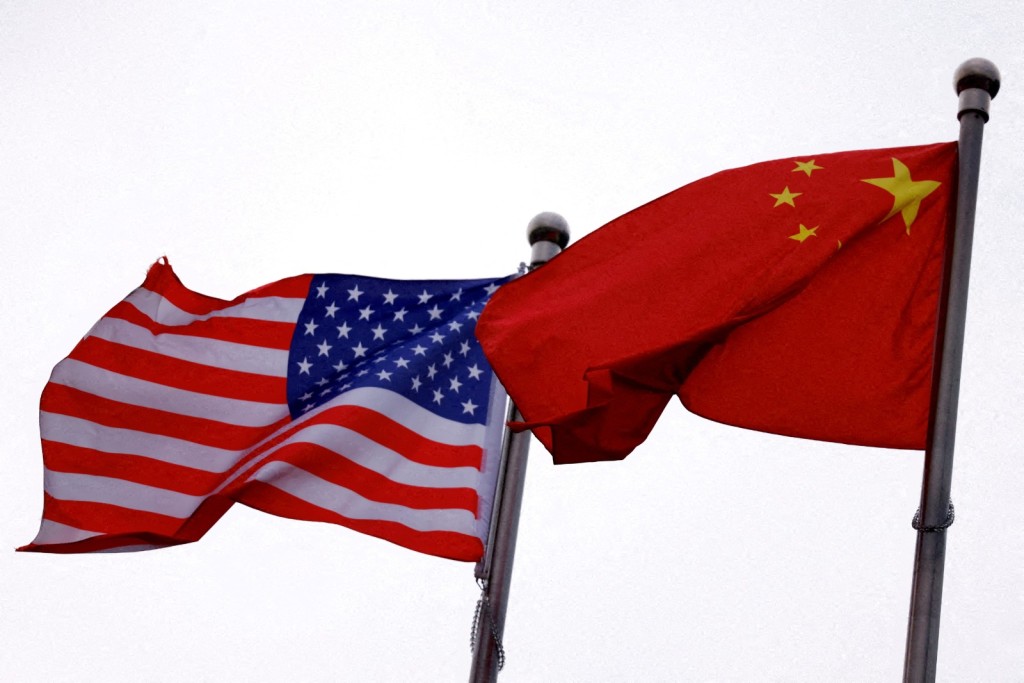
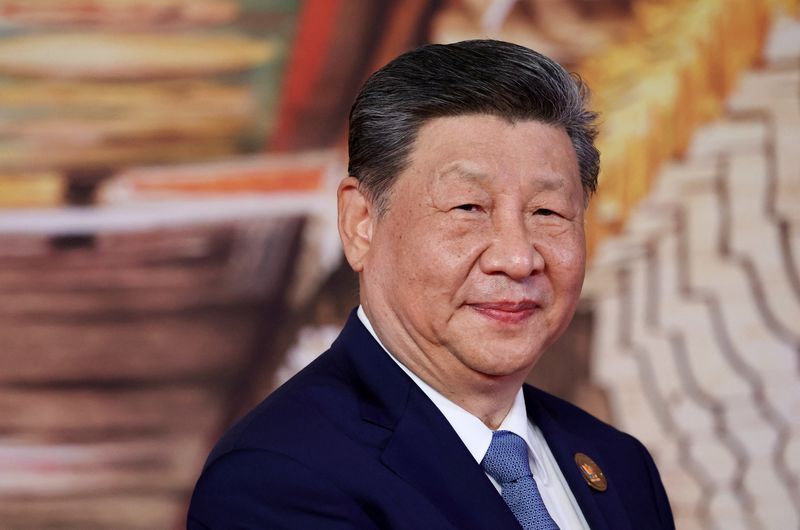
Chinese President Xi Jinping could travel to Washington with a delegation of senior business executives from some of the country’s biggest technology, electric vehicle and financial companies, including BYD, CATL and Xiaomi, as Beijing and Washington prepare for a closely watched summit.
Three people familiar with the plans told Reuters that the two governments are working to finalise the group, with invitations expected to be sent to selected companies within days. The proposed delegation could include businesses that are themselves facing US sanctions, blacklisting or other regulatory restrictions, giving the visit a commercial dimension as both sides seek progress on market access and trade.
The final list has not been settled. One source said Chinese companies had been asked to prepare for the possibility of participating, pending confirmation during a meeting between US Treasury Secretary Scott Bessent and Chinese Vice Premier He Lifeng this weekend. The source said the US State Department was expected to approve visas for members of the delegation.
Among the companies being considered are electric vehicle manufacturer BYD, smartphone and electric vehicle maker Xiaomi, battery producers CATL and Gotion, consumer electronics company Hisense, automotive parts supplier Wanxiang Group, state owned Bank of China and agricultural trading group COFCO Group, according to two sources and several people briefed on the plans.
BYD declined to comment. CATL, Xiaomi, Wanxiang, Hisense, Gotion and Bank of China did not respond to Reuters requests for comment.
The White House also did not respond to questions. A US Treasury spokesperson referred Reuters to the White House. China's Foreign Ministry said it had no information, while the Commerce Ministry did not respond to a request for comment.
A business delegation with political significance
A large Chinese corporate delegation accompanying Xi would be notable at a time when Washington continues to place restrictions on Chinese investment, technology and vehicles.
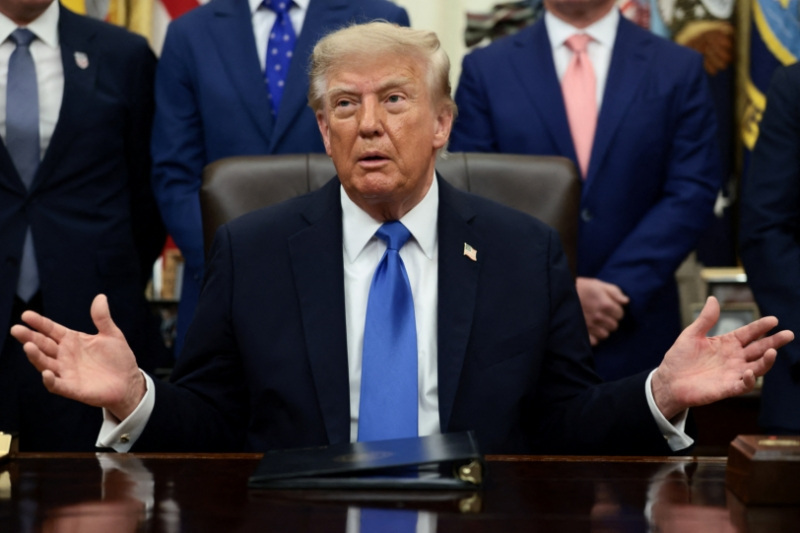
The proposed group also appears designed to create a degree of reciprocity after US President Donald Trump's visit to Beijing in May, when American executives accompanied him and several came from companies facing regulatory or market access difficulties in China.
The inclusion of companies facing restrictions in the United States could therefore put some of the most sensitive commercial disputes between the world's two largest economies directly into the setting of the presidential summit.
One source said Xi's delegation would include companies facing US sanctions, blacklists or other regulatory pressure. That would mirror Trump's decision to bring American executives from companies facing Chinese scrutiny during his May visit to Beijing.
Chinese executives are not expected to hold a series of meetings with US think tanks or business organisations during Xi's visit. Two sources said Beijing had proposed a US China chief executives' roundtable, but the White House rejected the proposal.
Instead, the Chinese executives are expected to attend a White House state dinner, according to the sources.
The dinner is also expected to include prominent US technology executives. Nvidia CEO Jensen Huang, who accompanied Trump to China, and OpenAI CEO Sam Altman are among those expected to attend.
BYD and CATL face US restrictions
Several companies reportedly being considered for Xi's delegation have already become part of Washington's wider debate over Chinese technology and investment.
BYD has emerged as China's largest electric vehicle manufacturer and has expanded aggressively into overseas markets. The company is also seeking ways to establish production capacity closer to major foreign markets as governments introduce local manufacturing and supply chain requirements.
Its possible inclusion in Xi's delegation comes as the US automotive industry is pressing Trump to keep Chinese carmakers out of the American market.
Trump said last week that he would accept Chinese automakers building vehicles in the United States if they employed American workers. His comments came despite opposition from major US auto industry groups, which have urged his administration to maintain restrictions on Chinese vehicle manufacturers.
Current US rules impose severe restrictions on China linked connected vehicles. A regulation introduced under former President Joe Biden prevents China linked manufacturers from selling new connected passenger vehicles in the US from model year 2027 and restricts the use of certain Chinese software and hardware in such vehicles.
Washington also maintains tariffs of more than 100% on Chinese electric vehicles, making direct sales into the US market difficult.
BYD and CATL have also faced scrutiny over alleged links to China's military. Both companies were added to a Pentagon list of companies in different years over alleged military connections, allegations that have become part of the broader US national security debate over Chinese companies.
CATL has a particularly complicated position in the US because its battery technology is already connected to American manufacturing. Ford licenses CATL technology for batteries produced at its Michigan facility, a partnership that has drawn criticism from some US lawmakers.
The proposed delegation could therefore put corporate investment and technology access alongside the broader trade negotiations taking place between Washington and Beijing.
Gotion and Wanxiang also face US disputes
Other companies under consideration have their own unresolved issues in the United States.
Gotion is involved in a legal dispute with Green Charter Township in Michigan over plans for a $2.36 billion electric vehicle components plant. The company has sued the township, alleging that local officials obstructed the proposed development.
The project has become part of the wider American debate over Chinese investment in strategic manufacturing, particularly in areas connected to batteries and electric vehicles.
Wanxiang Group has also faced scrutiny over Chinese auto parts imports. The company agreed in December to pay more than $53 million to resolve a US Justice Department case involving customs and anti dumping duties on Chinese automotive parts.
The presence of companies such as these would give the delegation a broader commercial profile than a traditional diplomatic entourage. It would also place companies with direct financial interests in US market access alongside senior Chinese officials during negotiations between the two governments.
Beijing seeks reciprocity after Trump's China visit
The proposed delegation is closely linked to Trump's May visit to Beijing.
Trump travelled to China with senior American business leaders, including executives from chipmakers Micron and Qualcomm and genetic sequencing company Illumina. Each company has faced regulatory or market access pressure in China.
One source said China's delegation could be similar in size to Trump's May group as Beijing seeks reciprocity in how the two sides arrange their presidential visits. China's Commerce Ministry has reportedly been responsible for contacting companies about possible participation.
The decision to include corporate executives could also help Beijing demonstrate that discussions with Washington are not limited to government officials.
For Chinese companies, however, simply being invited to Washington does not mean that US market restrictions will be removed.
The companies would still face existing tariffs, investment restrictions, national security reviews and sector specific regulations. Any change would require decisions by the Trump administration or Congress, depending on the measure involved.

Trade remains at the centre of the summit
Xi and Trump are expected to meet in Washington on September 24, according to Reuters reporting. It would be their second meeting of the year following Trump's May visit to Beijing. The summit is taking place against a backdrop of unresolved disputes over tariffs, technology, critical minerals, Taiwan and other issues.
Trade is expected to dominate the economic side of the discussions.
Washington's objectives include reaching an agreement on a proposed Board of Trade, obtaining additional rare earth export licences for US companies and extending the trade truce agreed between the two countries in South Korea last October, according to sources familiar with the negotiations.
That truce helped prevent another escalation in a trade conflict in which tariffs on goods from both countries had exceeded 100%. The arrangement is scheduled to expire on November 10, making the Washington summit an important opportunity for both governments to determine whether the pause can continue.
The two sides are also discussing major commercial purchases and market access. Beijing has previously indicated plans for additional purchases of US goods, while Washington wants greater access to Chinese rare earth supplies and progress on trade barriers.
Technology remains another major point of friction.
Nvidia has struggled to sell its advanced H200 artificial intelligence chips in China amid regulatory scrutiny from Beijing. The company illustrates the increasingly complicated relationship between the two countries, where the same businesses can be commercially important to both sides while also becoming caught up in national security and technology policy.
A delegation still waiting for final approval
For now, the names of the executives who will travel to Washington remain unconfirmed.
The companies have been asked to prepare, but invitations have not yet been finalised. The outcome of the weekend discussions between Bessent and He could determine which businesses ultimately receive invitations and whether the proposed delegation proceeds in the reported form.
The possibility of executives from BYD, CATL, Xiaomi and other major Chinese companies appearing at the White House would put business interests directly alongside the diplomatic effort to stabilise US China relations.
It would also send a clear message about the issues that companies on both sides want addressed: tariffs, market access, technology restrictions, investment rules and access to critical materials.
With the final guest list still being assembled, the key question is no longer simply who will accompany Xi to Washington, but whether the companies invited can turn their presence at the summit into concrete progress on the commercial barriers that currently separate the two markets.