

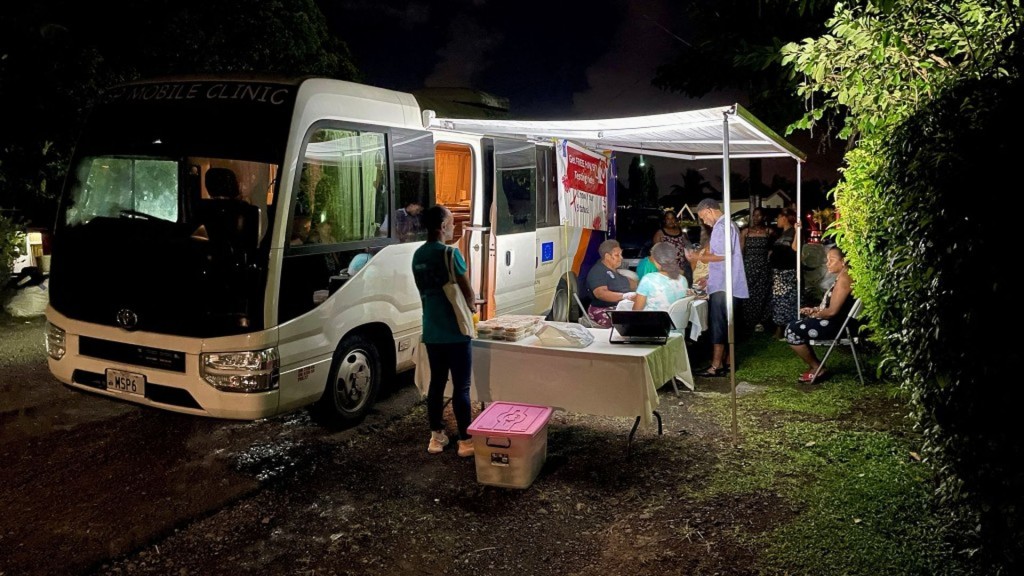
Lalabalavu said compulsory testing was not an option under Fiji's HIV Act and that individuals must make their own decisions about whether to undergo testing. His comments come as official figures show a significant increase in newly diagnosed infections, with health authorities warning that many more people may be living with HIV without knowing they have the virus.
The Ministry of Health recorded 2,016 new HIV diagnoses in 2025, compared with 1,583 in 2024. The increase of 433 cases represents a rise of about 27 per cent in one year.
The figures have added pressure on Fiji's health authorities as they expand efforts to identify infections, connect people with treatment and reduce further transmission.
Government Rejects Compulsory Testing
Lalabalavu said the government would not make HIV testing compulsory as part of its response to the worsening situation.
The minister pointed to Fiji's existing HIV legislation, saying mandatory testing was not permitted under the HIV Act. Instead, the government's approach will continue to rely on people choosing to be tested and seeking medical support when necessary.
The position comes as officials confront the challenge of undiagnosed infections. Authorities estimate that thousands of people in Fiji could be living with HIV without having received a diagnosis.
That gap creates an additional public health challenge. People who do not know they have HIV may not seek treatment, while those receiving effective treatment can receive medical support and take steps to protect their health and reduce the risk of transmission.
For health officials, expanding access to testing is therefore a major part of the response without making testing compulsory.
New Diagnoses Rise 27 Per Cent
The latest figures show the scale of the increase facing Fiji.
There were 1,583 new HIV diagnoses in 2024. That number climbed to 2,016 in 2025, an increase of 27 per cent.
The rise has prompted the government to treat the situation as a national crisis and commit additional resources to the response.
Lalabalavu said the government has allocated $10 million to tackle HIV. The funding is expected to support the wider public health response as authorities work to address diagnosis, treatment and related infections.
The increase also raises questions about how many cases remain undetected. Official diagnoses only account for people who have been tested and identified, meaning the actual number of people living with HIV may be higher.
Authorities' estimate that thousands of people remain undiagnosed makes testing and public awareness a central part of the response.
HIV Response Also Covers Tuberculosis
The government is not treating HIV in isolation.
Lalabalavu said HIV and tuberculosis are closely connected, particularly when a person living with HIV is not receiving treatment. This means the government's response will also include measures addressing tuberculosis, as well as Hepatitis C.
The connection between HIV and other infectious diseases adds complexity to the health response. People living with untreated HIV can face greater health risks from other infections, making early diagnosis and access to appropriate medical care important parts of managing their health.
By combining the HIV response with work on tuberculosis and Hepatitis C, health authorities are seeking to address several related public health concerns rather than treating each issue separately.
The government's $10 million commitment comes as Fiji attempts to strengthen its response at a time when new HIV diagnoses have risen sharply.
Undiagnosed Cases Remain a Concern
The number of people who have not been diagnosed is one of the main challenges facing the country's health system.
A person cannot access HIV treatment without first knowing their status. Testing therefore provides the starting point for connecting people with care.
Lalabalavu's rejection of mandatory testing means the government must continue encouraging voluntary testing and making it easier for people to use health services.
That approach also places greater importance on public information and access to confidential medical services. People need to understand the value of knowing their HIV status and have access to testing without unnecessary barriers.
The minister's comments indicate that the government's response will focus on encouraging people to take that step rather than compelling them to do so.
Health Minister Also Warns About Influenza
The HIV crisis is not the only health issue currently facing Fiji.
Lalabalavu also addressed a nationwide increase in influenza like illness and urged people who are unwell to remain at home.
He advised those experiencing symptoms to avoid unnecessary contact with others and seek medical attention if their condition does not improve.
The advice comes as health authorities manage several public health pressures at the same time. While HIV requires a long term response involving testing, treatment and prevention, influenza like illness can place more immediate pressure on communities and medical services.
The minister's warning reflects the importance of people monitoring their symptoms and seeking care when an illness persists or worsens.
A Broader Public Health Response
Fiji's HIV situation presents a challenge that extends beyond the number of newly diagnosed cases.
The increase from 1,583 diagnoses in 2024 to 2,016 in 2025 has forced the government to expand its response, while estimates of thousands of undiagnosed infections suggest the official figures do not capture the full scale of the problem.
The decision not to introduce mandatory testing means voluntary testing will remain at the centre of efforts to identify infections.
At the same time, the government's decision to include tuberculosis and Hepatitis C in its response reflects the links between HIV and other infectious diseases, particularly for people who are not receiving treatment.
The $10 million funding commitment provides additional resources as authorities work to strengthen the national response.
For ordinary people, the health ministry's message is direct: knowing one's HIV status can provide an important first step towards accessing medical care, while anyone experiencing influenza like symptoms should stay home and seek medical attention if they fail to improve.
With more than 2,000 new HIV diagnoses recorded in a single year and thousands more people potentially unaware of their status, the government's next challenge will be turning its financial commitment into wider testing, earlier diagnosis and sustained access to treatment.
Would greater public awareness and easier access to voluntary HIV testing help Fiji identify more undiagnosed cases and slow the rise in new infections?