

Iran has told the United States that it wants the naval blockade lifted, frozen Iranian assets released and fighting across what Tehran calls “resistance” fronts ended before it will reopen the Strait of Hormuz.
Iranian Foreign Minister Abbas Araqchi conveyed the conditions during a meeting with US Special Envoy Steve Witkoff on Tuesday on the sidelines of the United Nations General Assembly in New York, according to Iranian state media. The meeting came as Washington and Tehran renewed diplomatic contacts over the conflict and the future of the strategically important waterway.
The demands place control of the Strait of Hormuz at the centre of the latest diplomatic effort. Iran’s state media reported that Tehran wants the naval blockade lifted immediately, frozen Iranian assets released immediately and the war brought to an end across all “resistance” fronts.
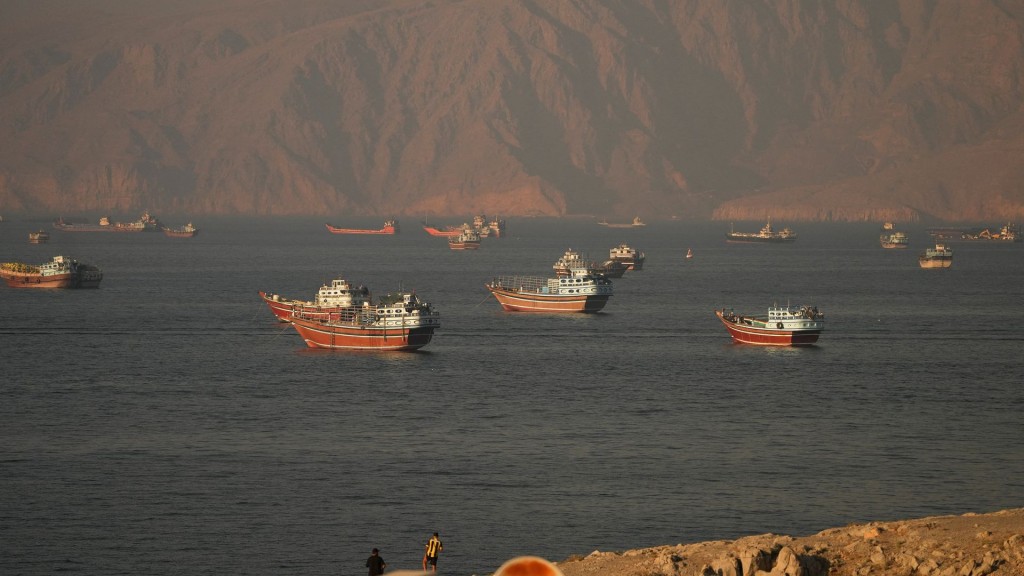
The Strait of Hormuz is one of the world's most important energy shipping routes, connecting the Persian Gulf with the Gulf of Oman and the wider Arabian Sea. Any prolonged disruption has consequences well beyond Iran and the Gulf states because oil and other energy cargoes normally move through the waterway to international markets.
Tehran links reopening to wider settlement
Iran’s position indicates that reopening the strait is being treated as part of a broader political settlement rather than as an isolated maritime issue.
A senior Iranian official separately told Reuters that Tehran could reopen the Strait of Hormuz within seven days if the United States eases military pressure and lifts its blockade of Iranian ports. The official said Washington would first need to formally signal that it wanted to resolve the dispute through diplomacy and agree on a timetable for the process.
The same official said Iran’s delegation in New York had full authority to pursue negotiations. Tehran had also sent a proposal to the United States through mediators on September 16, according to the Reuters report.
That proposal adds another layer to the discussions taking place around the UN General Assembly. Iran has presented the international gathering as an opportunity to restart diplomacy, but has also made clear that it expects concrete steps from Washington.
US and Iran resume direct contacts
The meeting between Araqchi and Witkoff represents a significant diplomatic contact between the two countries at a time when military pressure and threats have continued.
US President Donald Trump said Tuesday that American and Iranian officials had held productive discussions in New York. Reuters reported that Trump described the talks as potentially leading toward an agreement while also warning Iran of severe consequences if no deal is reached.
Other reports said Witkoff and Jared Kushner, a senior Trump adviser, took part in a longer meeting with the Iranian delegation. The discussions focused on the conditions surrounding a possible renewal of negotiations, with the Strait of Hormuz emerging as a central issue.
For Tehran, however, reopening the waterway appears tied to demands that extend beyond shipping. The conditions reported by Iranian state media connect the strait to military operations, Iran’s access to its overseas funds and fighting involving groups and fronts that Tehran describes as part of the “resistance.”
That wording is significant because Iran has long used the term “resistance” to refer to regional armed groups and political movements aligned with Tehran. The Iranian government’s demand for an end to hostilities across those fronts therefore goes beyond the immediate waters around the Strait of Hormuz.
Pressure on shipping and energy markets
The dispute over Hormuz has also placed energy markets under pressure. The waterway is a major route for global oil shipments, meaning uncertainty over its accessibility can quickly affect crude prices, tanker movements and insurance costs.
Reuters reported on Tuesday that Gulf oil producers had increasingly turned to ship to ship transfers near Oman to keep crude moving despite disruptions to traditional export routes. Those operations reached about 2.5 million barrels per day in September, compared with 1.4 million barrels per day in August, according to the report.
The disruption has also increased transportation expenses. Reuters reported that freight rates for very large crude carriers had risen sharply, while producers were offering larger discounts and absorbing higher shipping costs to maintain exports.
Those measures provide alternatives, but they do not remove the strategic importance of Hormuz. The waterway remains a key connection between major Gulf energy producers and international markets.

Earlier Iranian demands
Iran’s latest conditions are also consistent with demands Tehran has made previously during the conflict.
A legal analysis published by Just Security in August cited earlier Iranian conditions that included ending what Tehran described as US military aggression, lifting the naval blockade, withdrawing US forces from around Iran, compensating Iran for wartime damage and lifting sanctions while releasing frozen Iranian assets.
The demands reported after the Araqchi-Witkoff meeting are narrower in wording but retain several of those themes, particularly the blockade, Iranian assets and the wider conflict.
The immediate question is whether Washington and Tehran can translate those demands into a sequence of practical steps. Iran has linked reopening the strait to actions by the United States, while Washington has pressed Tehran toward a broader agreement to end the conflict.
Diplomacy faces a narrow opening
The talks in New York have created a direct channel between officials from the two countries, but major differences remain.
Iran wants the United States to take concrete measures before reopening Hormuz. Washington, meanwhile, is seeking an agreement that addresses the wider conflict and has continued to apply military and economic pressure on Tehran.
The two sides therefore face a difficult negotiating sequence: Tehran wants changes to the US military and economic posture, while Washington is seeking commitments from Iran that could affect the wider regional conflict.
For countries dependent on Gulf energy shipments, the outcome has immediate economic significance. For Iran and the United States, the talks could determine whether the Strait of Hormuz becomes a bargaining instrument in a wider settlement or remains a major point of confrontation.
The next stage of diplomacy will show whether the conditions delivered to Witkoff can form the basis of negotiations or whether the disagreement over the strait keeps the waterway at the centre of the conflict. What should Washington and Tehran address first to make reopening Hormuz possible?