

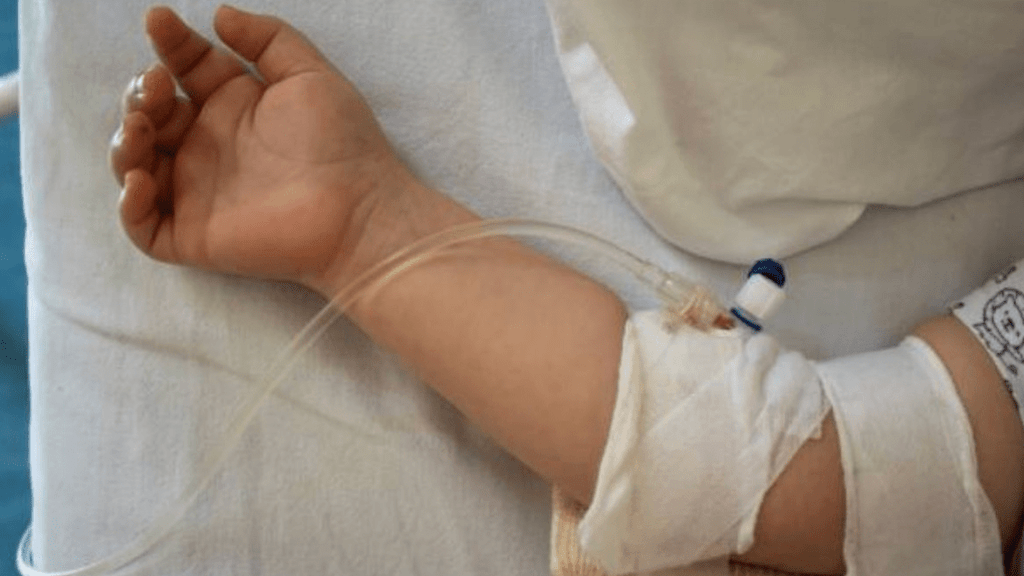
A child who was almost two years old became the first person under 12 to have their life ended under the Netherlands’ expanded rules for terminally ill children, according to an official Dutch review committee.
The child was almost 24 months old when the procedure took place at the end of 2025, the Committee for Late Term Abortion and Termination of Life in Newborns and Children said in its published assessment. The committee concluded that the physician had acted with due care after reviewing the child’s medical history and the circumstances surrounding the decision.
Dutch Health Minister Sophie Hermans had disclosed the existence of the case in June 2026, saying a child under 12 had died through medically assisted life termination at the end of 2025 after suffering from a severe and incurable illness. The committee later released further details while keeping the child’s identity and sex confidential.
The case is the first publicly reviewed example involving a child aged between one and 12 since the Netherlands introduced a specific framework for such cases.
Child Was Born at 26 Weeks
The child was born after only 26 weeks of pregnancy and developed serious medical problems from an early stage of life.
According to the review committee, the child suffered extensive brain damage and experienced severe infections. By the age of four months, the infections had progressed to sepsis.
At eight months, doctors diagnosed the child with cerebral palsy and infantile spasms syndrome, also known as West syndrome. Infantile spasms are a severe form of epilepsy that can affect infants and can be associated with significant developmental impairment.
The child's medical problems continued to affect several areas of daily functioning.
The committee's report described severe sleep problems, respiratory complications, repeated coughing fits and difficulties with swallowing. The medical conditions also caused profound developmental problems.
By the time the child was almost two years old, doctors and the parents saw no meaningful improvement despite medical and non medical interventions.
The review committee said there had been a complete lack of development or improvement during the child's short life. The parents and treating physician concluded that the child was experiencing unbearable suffering and had no realistic prospect of improvement.

Parents and Doctor Considered Treatment Options
The decision followed discussions about the child's prognosis and available treatment options.
Because the child was too young to make an informed personal request, the case falls under a different legal and medical framework from ordinary euthanasia for competent patients.
Under the Netherlands' general euthanasia law, the patient must personally request euthanasia and the request must be voluntary and well considered. The standard framework applies from the age of 12, with additional requirements for younger adolescents.
For children aged between one and 12, however, Dutch rules address situations in which a child is terminally ill and suffering unbearably with no prospect of improvement. The government says a doctor may decide together with the parents to terminate the child's life when there is no reasonable alternative for relieving the suffering.
The child's case was assessed under this framework.
The parents considered the medical prognosis and treatment possibilities before choosing life termination in consultation with the physician. The review committee subsequently examined the case and concluded that the doctor had acted with due care.
Special Review Process Applies to Young Children
The Netherlands has established a separate review process for life termination involving newborns and children aged one to 12.
The official government guidance says doctors dealing with children aged one to 12 must follow specific procedures and meet medical standards when considering termination of life. A special review committee assesses whether the physician acted with due care. The committee includes doctors from relevant medical specialties, a lawyer and an ethicist.
The committee reviews the medical evidence and circumstances surrounding the death. Its assessment can then be considered by the Public Prosecution Service if questions arise about whether the law was followed.
The published assessment of the first under 12 case concluded that the physician had acted carefully.
The committee's current framework is also notable because the formal order establishing the review committee does not yet contain a separate set of due care requirements specifically written for children aged one to 12. The committee says it therefore uses the requirements applying to termination of life in newborns as a starting point, while also taking into account additional criteria approved by the Dutch Association of Paediatrics in October 2024.
How Dutch Euthanasia Law Developed
The Netherlands became the first country to legalise euthanasia under statutory conditions in 2002.
The Dutch system does not give patients an automatic right to euthanasia. A doctor must meet a set of statutory due care requirements before the procedure can be carried out.
These include establishing that the request is voluntary and well considered, that the patient's suffering is unbearable and without prospect of improvement, that the patient has been informed about their condition and prognosis, and that there is no reasonable alternative. The doctor must also consult an independent physician and carry out the procedure with due medical care.
The rules for children differ according to age.
A child aged 12 or older can make a euthanasia request subject to additional conditions. For children aged 12 to 15, parental consent is required. For those aged 16 and 17, parents or guardians must be involved in the process but their consent is not required.
Children between one and 12 fall under the separate framework used in the newly reviewed case.
Different From Rules for Newborns
Dutch law also contains separate arrangements for newborn infants with severe medical conditions.
Government guidance says termination of life involving a newborn can be considered only when the child's suffering is unbearable and there is no prospect of improvement, there is no reasonable alternative, the parents consent and an independent physician has examined the child. The procedure must also be carried out with due care.
These provisions are distinct from the rules covering children who have reached their first birthday.
That distinction became important in the newly published review because the child was almost 24 months old. The official committee specifically identified the case as involving a child in the one to 12 age group.

Case Puts Focus on Medical Ethics
The publication of the case has renewed attention on the difficult questions surrounding end of life decisions for children who cannot make such decisions themselves.
The Dutch framework places particular weight on the child's medical condition, the severity of suffering, the prognosis and whether any reasonable treatment option remains.
In this case, the committee said the child's condition had shown no development or improvement despite medical and non medical interventions. The parents and physician were convinced that the suffering was unbearable and could not be relieved through further treatment.
The committee's conclusion that the physician acted with due care does not remove the wider ethical debate surrounding the policy.
The case involves a child who was unable to personally request euthanasia, making the decision fundamentally different from the adult model of euthanasia based on a patient's own voluntary request.
It also comes as the Netherlands continues to refine the rules and procedures surrounding life termination for children. The government framework requires doctors to work with parents and to apply medical standards when determining whether a child's suffering can be relieved.
First Case Under Expanded Framework
The case marks a significant point in the development of Dutch end of life policy because it is the first publicly identified case involving a child aged between one and 12 under the expanded framework.
The child died at the end of 2025 after a short life marked by premature birth, severe brain damage, infections, sepsis, cerebral palsy, infantile spasms and serious respiratory and swallowing problems.
The review committee has now examined the physician's actions and concluded that the required standard of care was met.
The case leaves the Netherlands with a difficult policy question that extends beyond one family or one medical decision: how should the law respond when a very young child faces severe suffering that doctors believe cannot be relieved and the child cannot express a decision themselves?
Should the Netherlands further clarify the safeguards governing life termination for children aged between one and 12?