
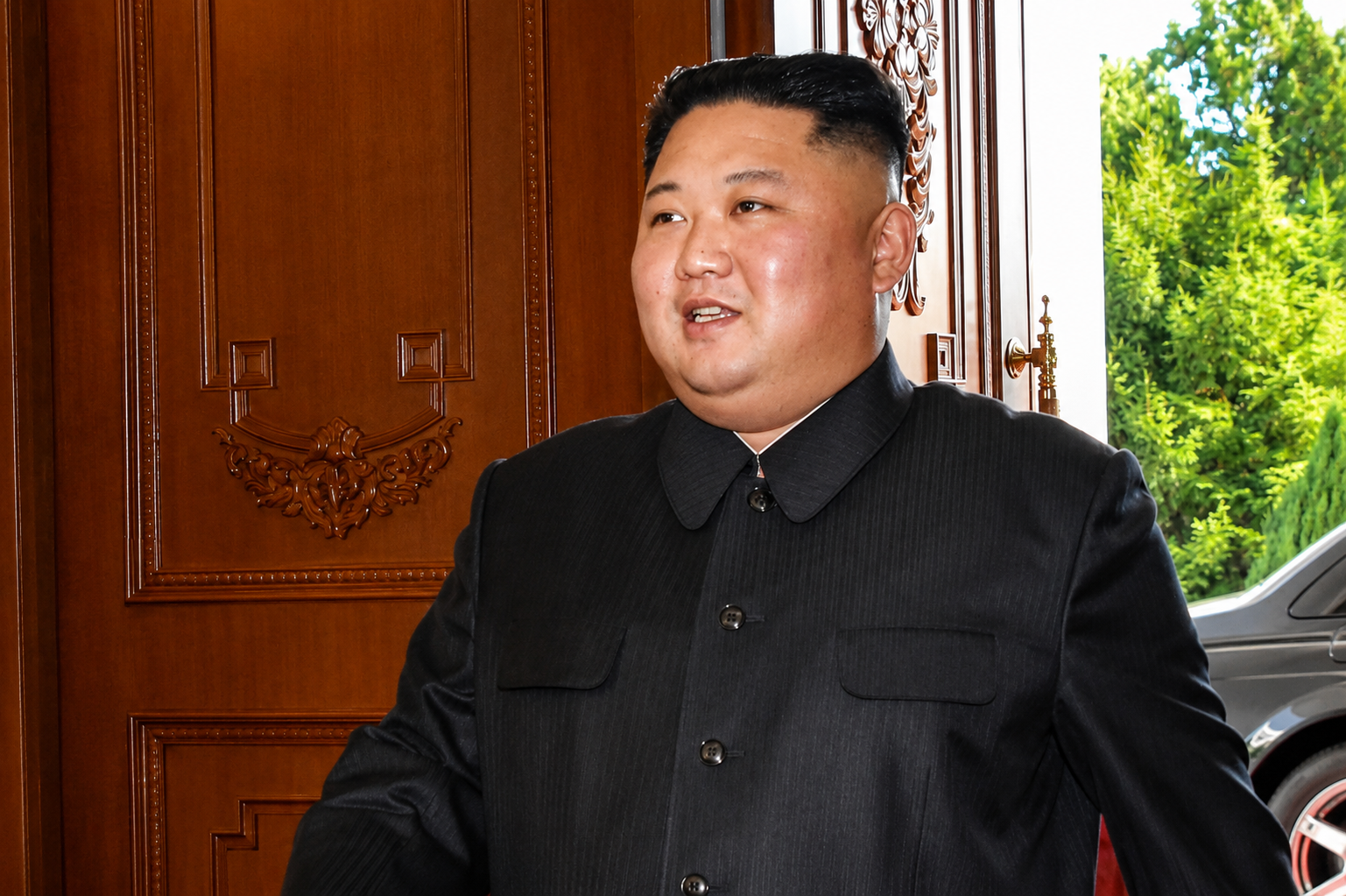
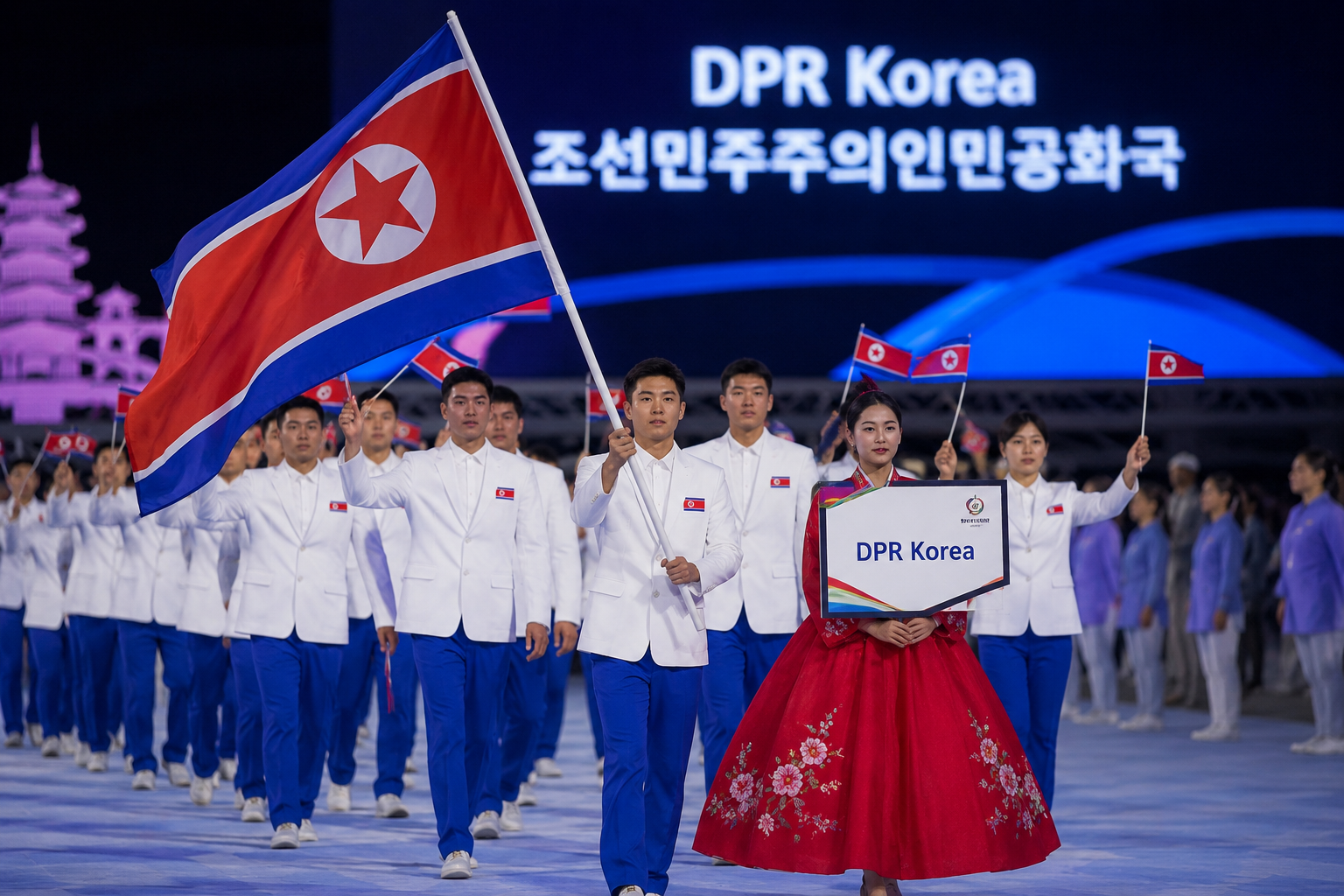
PYONGYANG, Aug 26, 2026: North Korea will send more than 100 athletes to compete in 14 sports at next month’s Asian Games in Japan, with the country’s Olympic committee saying its competitors are determined to win medals and bring pride to leader Kim Jong Un.
The North Korean delegation will compete in events including men’s and women’s football, weightlifting, boxing and wrestling at the Games in Nagoya and the wider Aichi region from September 19 to October 4.
Ko Chol Ho, secretary general of North Korea’s Olympic committee, said preparations were well underway and athletes were training with the goal of producing strong results for their country.
“Our athletes are training tirelessly every day, determined to bring joy to Marshal Kim,” Ko said in an interview with Choson Sinbo, a pro North Korean publication based in Japan.
Ko said the delegation would include more than 100 athletes competing across 14 sports. The team will also include two Japan based ethnic Koreans, who are set to compete in women’s football and karate.
The size of the delegation will be smaller than the team North Korea sent to the Asian Games in Hangzhou, China, in 2023. Despite the smaller number of competitors, Ko said officials hoped the country would improve on its previous performance and collect more medals.
North Korea won 11 gold medals at the 2023 Asian Games, with weightlifting accounting for half of those victories.
North Korea Returns to International Competition
The decision to send a team to Japan marks another step in North Korea’s return to major international sporting events after a period of isolation during the Covid pandemic.
Pyongyang suspended participation in many international sporting competitions during the pandemic, restricting overseas travel and imposing strict controls on movement as the country sought to prevent the spread of the virus.
The country returned to the Asian Games in 2023, sending a sizeable delegation to Hangzhou. North Korean athletes subsequently competed at the Paris Olympics, further signalling a return to the international sporting arena.
The Asian Games in Japan will provide another opportunity for North Korean athletes to compete against some of Asia’s strongest sporting nations.
The regional competition traditionally attracts thousands of athletes from across Asia and includes a wide range of Olympic and non Olympic sports. North Korea has historically performed strongly in disciplines such as weightlifting, wrestling, boxing and martial arts.
Officials in Pyongyang will be watching the results closely, particularly in sports where the country has established a record of success.
Focus on Medals
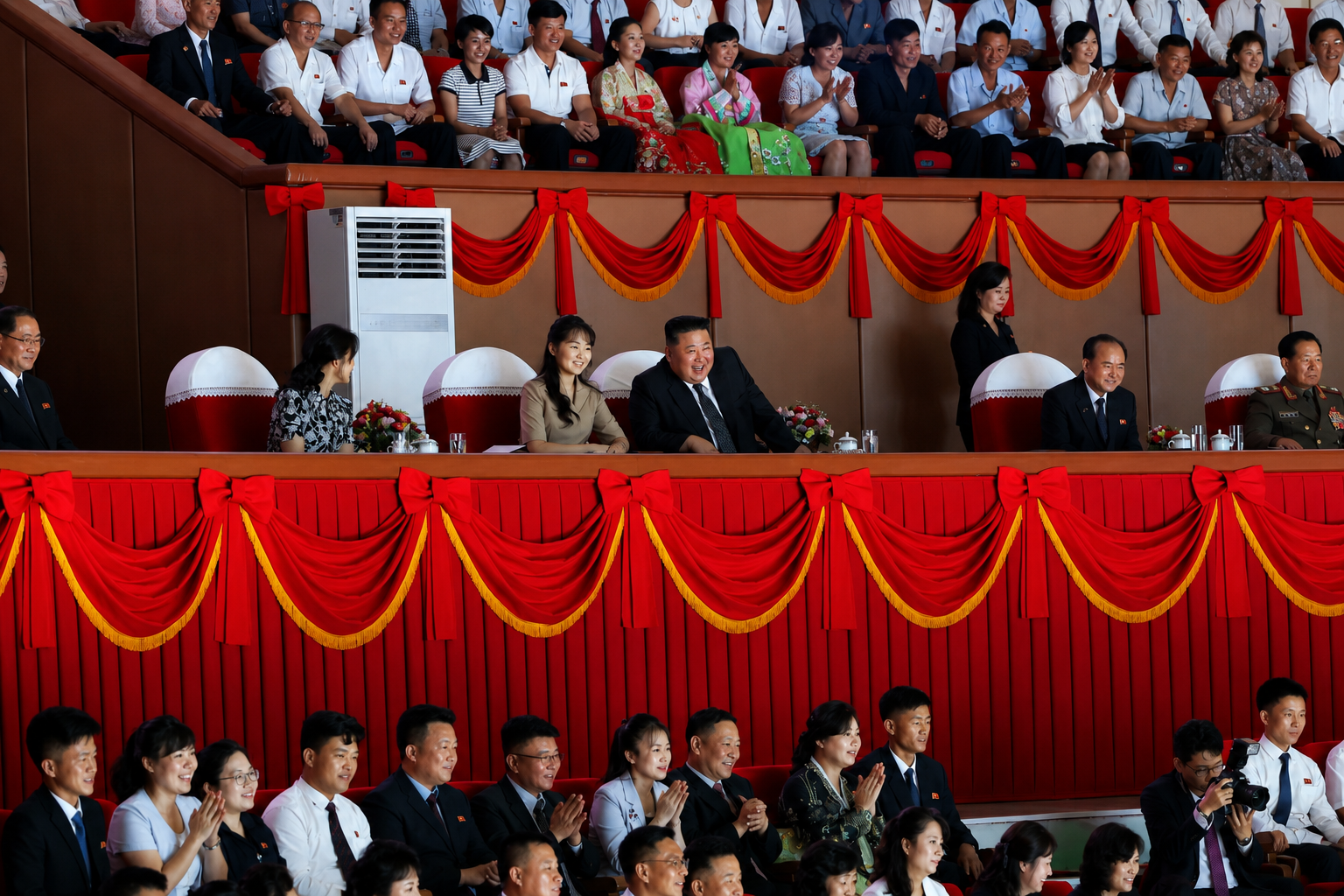
Ko said North Korean athletes were highly motivated ahead of the Games and were working to meet the expectations of the leadership and the public.
“We are making every effort, driven by a strong desire to live up to the expectations of our country and people by achieving even greater results at the upcoming Games,” he said.
The comments reflect the importance that North Korea places on sporting achievements. Major international victories are often presented by state media as evidence of national strength and discipline, while successful athletes can receive considerable recognition at home.
Weightlifting is expected to remain one of North Korea’s strongest medal prospects.
At the 2023 Asian Games in Hangzhou, North Korean weightlifters delivered a series of strong performances and won several gold medals. The sport accounted for five of the country’s 11 gold medals at those Games.
Boxing and wrestling have also traditionally provided North Korea with opportunities for medals, while football remains one of the country’s most closely followed sports.
The inclusion of both men’s and women’s football teams will give North Korea a significant presence in the team competitions.
Japan Adds Political Sensitivity
The Games will take place in Japan at a time when relations between Tokyo and Pyongyang remain deeply strained.
North Korea has recently stepped up criticism of Japan, accusing Tokyo of pursuing what Pyongyang describes as a policy of remilitarisation.
Japan, which occupied the Korean Peninsula from 1910 until the end of the Second World War, remains a frequent target of North Korean political and military criticism.
Pyongyang has repeatedly condemned Japan’s efforts to strengthen its defence capabilities and deepen security cooperation with the United States and South Korea.
The political tensions are unlikely to disappear simply because athletes from the two countries will compete at the same sporting event.
For North Korean competitors, however, the Games are expected to remain focused primarily on sporting performance.
The participation of two Japan based ethnic Koreans in the North Korean delegation is also notable. One will compete in women’s football and the other in karate, according to Ko.
Their inclusion reflects the links that exist between North Korea and ethnic Korean communities in Japan, despite the longstanding political tensions between Pyongyang and Tokyo.
Smaller Delegation, Higher Expectations
North Korea’s decision to send a smaller delegation than it did to Hangzhou suggests that the country is taking a selective approach to participation.
Rather than entering competitors in a broad range of disciplines, officials appear to be concentrating resources on sports where North Korea has realistic medal prospects.
Ko nevertheless said the reduced size of the team should not be interpreted as lower expectations.
Instead, he expressed confidence that the athletes could achieve better results than those recorded at the previous Asian Games.
The 2023 competition provided North Korea with a successful return to major international sport. The country finished with 11 gold medals along with silver and bronze medals across several disciplines.
The performance was particularly notable after the pandemic period, when North Korean athletes had been largely absent from international competition.
The Paris Olympics provided another test of the country's sporting programme, with North Korean competitors once again taking part on the world stage.
The upcoming Asian Games will therefore be an important measure of whether North Korea can maintain that momentum.
Athletes Prepare Under Political Spotlight
North Korean athletes often compete under intense political expectations, with sporting achievements presented as a source of national pride.
Ko’s comments about athletes seeking to bring joy to Kim reflect the highly political environment surrounding sport in North Korea.
For competitors, success at major international events can carry significance beyond individual medals. Victories are frequently highlighted by state media and used to demonstrate the country's sporting capabilities.
Training programmes are therefore closely tied to national expectations, particularly in sports where North Korea has previously achieved international success.
The athletes heading to Japan will face strong competition from countries including China, Japan, South Korea and other major sporting nations across Asia.
The Games will also provide North Korean competitors with an opportunity to test themselves against athletes they rarely encounter during the country's periods of international isolation.
Games Begin September 19
The Asian Games in Nagoya and the Aichi region are scheduled to run from September 19 to October 4.
North Korea’s delegation will include more than 100 athletes across 14 sports, according to Ko.
The team will compete in football, weightlifting, boxing, wrestling, karate and other disciplines, with officials hoping to improve on the medal haul achieved in Hangzhou.
The smaller delegation will be under pressure to deliver strong results, particularly in weightlifting, where North Korea has established itself as one of the leading forces in Asia.
For Pyongyang, the Games will represent more than a sporting competition. They will offer another opportunity to demonstrate the capabilities of North Korean athletes on an international stage after years of restricted participation.
For Japan, the event will bring together athletes from across the region despite continuing political disputes between several participating countries.
North Korea’s participation will be closely watched, particularly given its recent criticism of Japan and its renewed presence at major international sporting events.
With preparations continuing in Pyongyang, the message from North Korea’s Olympic leadership is clear. The country expects its athletes to compete strongly, win medals and return home with results that can be presented as a source of national pride.
Editor’s note: North Korea’s official statements about athletes and national sporting goals reflect the position of the country’s authorities and should be understood in that context.