

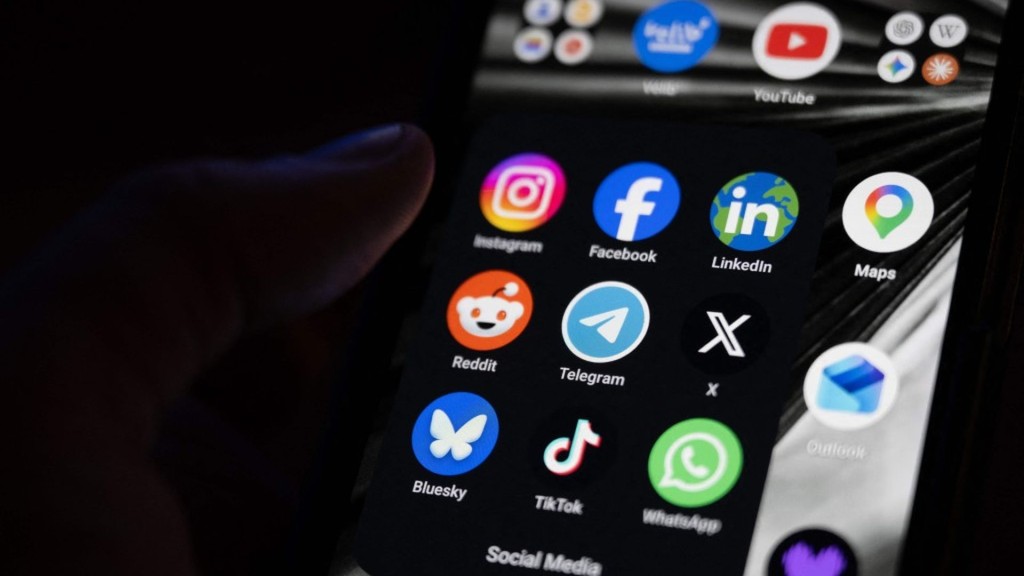
The Philippines has moved closer to restricting children’s access to social media after the House of Representatives overwhelmingly approved a bill barring users under 13 from accessing platforms. The measure now faces negotiations with the Senate, whose version would go further by prohibiting anyone under 18 from creating social media accounts.
The vote adds the Philippines to a growing list of countries seeking tighter controls on children’s online activity amid concerns about safety, exposure to harmful content and the effects of social media on young people. But the proposed restrictions have also raised questions about whether age-based bans can protect children without pushing their online behaviour out of sight of parents and authorities.
The two chambers of Congress must reconcile their separate bills before submitting a final version to President Ferdinand Marcos Jr for approval. Until that process is completed, the proposals remain legislation under consideration rather than an enforceable nationwide ban.
House and Senate divided over age limit
The lower house approved a measure that would restrict social media access for children under 13. The Senate has already endorsed a stricter version, which would prevent anyone under 18 from creating an account on social media platforms.
The difference between the two proposals will be central to negotiations. A minimum age of 13 would leave teenagers aged 13 to 17 eligible to open accounts under the House approach, while the Senate version would extend the restriction to the entire under-18 age group.
Lawmakers must agree on a common text before the bill can proceed to presidential approval. The final version will determine the age threshold, the obligations placed on platforms and how the restrictions would be enforced.
The distinction matters for technology companies, families and young users. A rule applying only to children under 13 would cover younger users, while a restriction extending to under-18s would affect a much larger group of teenagers who use social media for communication, entertainment, news and school related activities.
The legislation’s progress also leaves several practical questions to be resolved. Age checks must be reliable enough to prevent children from registering under false details, while protecting users’ personal information. Platforms may also need clear procedures for handling accounts that are found to belong to children below the permitted age.
The supplied report does not specify the final enforcement arrangements or penalties under either proposal. Those details will depend on the version that emerges from negotiations between the House and Senate.
School shootings intensify debate over online safety
The legislation has advanced amid renewed concern about children’s exposure to online content following a series of school shootings in the Philippines since June. The incidents have intensified public debate about the relationship between young people, social media and violent material online.
In one case described in the report, a 16 year old allegedly shot and killed at least two fellow students before taking his own life last month. In another incident in August, a student livestreamed himself shooting and killing a classmate before dying by suicide.
School gun violence had previously been rare in the Philippines, making the reported incidents a source of heightened concern. However, the cases do not by themselves establish that social media caused the violence. Any assessment of the role of online content would require evidence about the individuals involved, what they viewed or shared and whether digital platforms contributed to their actions.
The incidents have nevertheless added urgency to discussions about how schools, families, authorities and technology companies can identify warning signs and respond to threats involving young people. The proposed legislation focuses on access to platforms, but the wider debate also involves content moderation, online contact with strangers, parental supervision and the availability of support for children experiencing distress.
Marcos warns a blanket ban could carry risks
President Ferdinand Marcos Jr said on Sunday that he had been studying the bill approved by the Senate. He cautioned that a blanket prohibition could lead some children to conceal their online activities, potentially making them more vulnerable to grooming and abuse.
His concern points to a central difficulty for policymakers: restricting access may prevent some children from using platforms, but a rule that young people can easily evade could make it harder for adults to understand their online experiences.
Children who hide accounts or use other people’s identities may be less likely to seek help when they encounter threats, manipulation or inappropriate contact. A policy’s effectiveness will therefore depend not only on the age limit but also on how platforms verify users, how parents and schools respond to risks, and whether children have safe ways to report harmful behaviour.
The competing bills also raise questions about how an age restriction would apply to existing accounts and users who reach the minimum age. The final legislation will need to establish clear expectations for platforms and explain how compliance will be assessed.
Malaysia and Indonesia introduce tighter controls
The Philippines is not acting alone. Governments in several countries, including Australia, Greece, Portugal, Malaysia and Indonesia, have pursued or considered restrictions intended to reduce minors’ exposure to social media risks.
Malaysia began barring children under 16 from registering social media accounts in June, with platforms required to verify users’ ages against government issued records. The country has given social media companies until January 2027 to implement the measure.
Indonesia has taken a related approach. A regulation issued in March requires platforms classified as high risk to deactivate accounts belonging to children under 16. The services covered so far have included X, Instagram and the video game platform Roblox.
The reported enforcement figures suggest the measures can affect millions of accounts. By the week before the Philippine House vote, TikTok had deactivated around nine million accounts belonging to children under 16 in Indonesia. Meta had blocked approximately 85,000 Instagram accounts and 99,000 Facebook accounts.
Those figures show the scale of the task facing platforms when governments impose minimum age requirements. They do not, on their own, demonstrate whether the policies have reduced harm to children or prevented underage users from returning through other accounts. Assessing their results will require evidence about compliance, user behaviour and child safety outcomes over time. <Cite refs={["turn548740news21","turn548740search7"]}/>
Technology companies have yet to comment
TikTok, Alphabet, which owns YouTube, and Meta Platforms, the parent company of Facebook and Instagram, did not immediately respond to separate requests for comment on the Philippine House’s approval of the bill, according to the report.
The companies could face significant operational demands if the final legislation requires stronger age verification or the removal of accounts belonging to users below the permitted age. Platforms will need to determine how to verify age, handle disputed account decisions and protect personal information collected during the process.
Age verification can also create privacy concerns if it requires users to provide identity documents or other sensitive data. Policymakers will need to weigh the benefits of reliable checks against the risk of collecting more personal information than necessary.
For parents and young users, the final rules could change how accounts are created and maintained, depending on the age threshold and requirements agreed by lawmakers. For social media companies, the legislation could add another set of national requirements to an already fragmented system of online safety regulations.
Final bill will determine the scope of restrictions
The immediate task for Philippine lawmakers is to reconcile the House and Senate versions and prepare a single bill for presidential approval. The key disagreement is the minimum age: the House proposal would bar access for children under 13, while the Senate version would prohibit account creation by anyone under 18.
The final text will determine how broadly the restriction applies and what platforms must do to enforce it. It will also shape how the government balances children’s protection with privacy, access to information and the risk that young users may move to less visible online spaces.
As the bill moves through the next stage, lawmakers should make the age rules, verification safeguards and enforcement responsibilities clear, while requiring evidence that the policy improves children’s safety. Should the Philippines adopt the Senate’s under 18 restriction, or would a narrower age limit backed by stronger online protections better protect young users?