

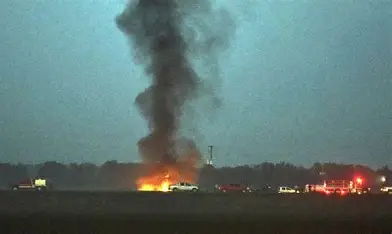
A Russian Tu 95 strategic bomber crashed during a training flight in the Far Eastern Amur Oblast, killing six crew members and injuring another person on board, according to Russia’s Ministry of Defense as quoted by state news agency TASS.
The aircraft went down during a scheduled training exercise, with the crash occurring in an uninhabited area, Russian authorities said. The ministry also said the bomber was not carrying ammunition at the time of the incident, reducing the risk of a larger secondary accident at the crash site.
One person survived the crash and was taken to hospital for medical treatment. Authorities have opened an investigation into what caused the aircraft to go down.
The incident adds to the risks associated with operating large military aircraft during training flights, where crews routinely carry out demanding exercises designed to prepare them for operational missions.
Six crew members killed in crash
The Russian Ministry of Defense said six crew members died when the Tu 95 crashed in Amur Oblast.
The ministry did not provide further details in the initial report about the identities of those killed or the circumstances immediately before the aircraft went down. It also did not state whether the bomber experienced a technical problem, an emergency during the flight or another issue.
The single injured crew member was transported to hospital, according to the report. Authorities are expected to examine the aircraft and flight information as part of the investigation.
Military aircraft accidents can require investigators to examine a wide range of possible factors. These can include the condition of the aircraft, maintenance records, flight procedures and information recorded before a crash. At this stage, Russian officials have not publicly assigned a cause to the accident.
The investigation will therefore be important in establishing what happened during the training flight and whether any technical or operational problems contributed to the crash.
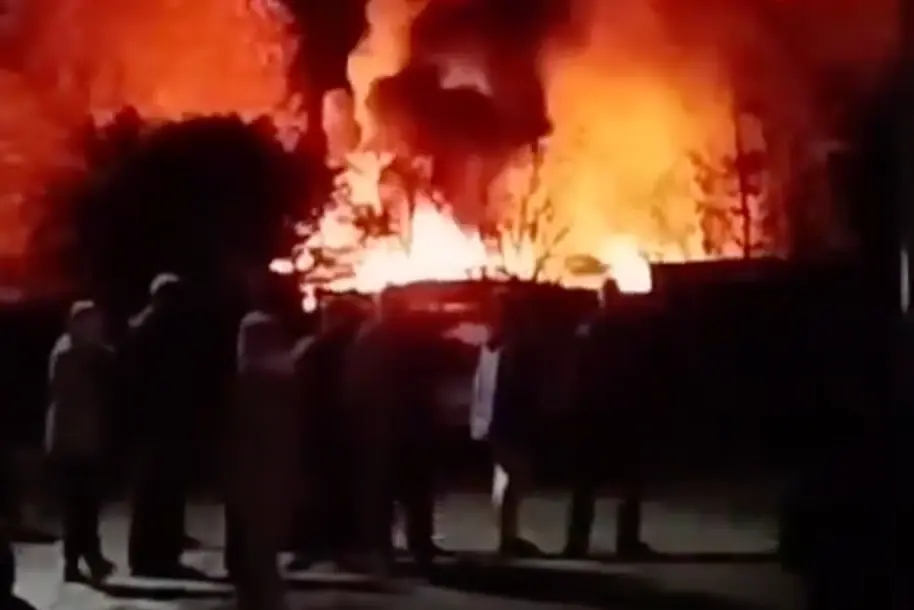
Bomber crashed in uninhabited area
The crash occurred in an uninhabited area of Amur Oblast in Russia’s Far East.
The location meant that the accident did not immediately involve reports of casualties among people on the ground. The Ministry of Defense also said the aircraft was not carrying ammunition during the training flight.
That detail is significant because the presence of weapons or ammunition on a crashed military aircraft can create additional hazards for emergency workers and investigators. In this case, Russian authorities said no ammunition was aboard the bomber when it crashed.
The authorities nevertheless face the task of securing the crash site and examining the aircraft as they work to determine what caused the accident.
Because the location is in Russia’s Far East, the response also involves a remote area rather than a densely populated urban centre. The initial information released by Russian officials did not provide further details about the exact crash site or the scale of the recovery operation.
Tu 95 is a major Russian military aircraft
The aircraft involved was a Tu 95 strategic bomber, a long range military aircraft operated by Russia.
The Tu 95 has been associated with Russia’s strategic bomber force for decades. Its role includes long distance missions and military training involving its crews and supporting personnel.
Training flights are an important part of maintaining the readiness of military aviation units. Crews must regularly practise procedures, flight operations and responses to problems that could occur during missions.
The crash demonstrates the potential consequences when something goes wrong during the operation of a large military aircraft. However, the available report does not establish what caused this particular accident.
Russian authorities have not said that the crash was connected to combat operations. The initial account describes it as an accident during a training flight.
Investigation begins into cause of accident
Authorities are now investigating the circumstances surrounding the crash.
The Ministry of Defense has not publicly confirmed a cause, meaning several possibilities remain open until investigators complete their work. No conclusion about a technical failure, human error or another factor can be drawn from the initial report alone.
Investigators are likely to examine the circumstances surrounding the flight and the aircraft itself. Information recovered from the crash site could help establish what happened before the bomber went down.
The condition of the aircraft will also be an important part of the inquiry. Investigators may need to determine whether any mechanical issue developed during the flight or whether another event led to the loss of the aircraft.
The initial report gives only a limited account of the incident. Further information could emerge as officials identify the crew members, provide more details about the surviving crew member and release findings from the investigation.
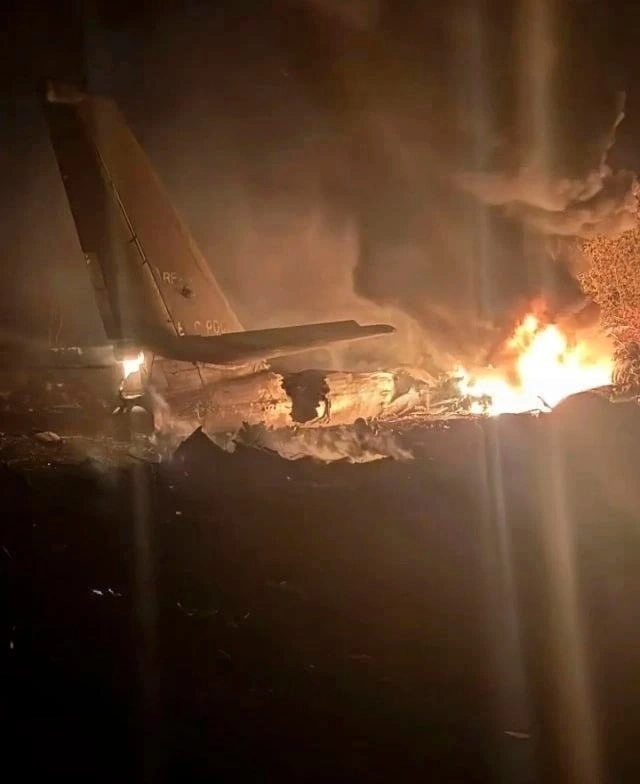
Surviving crew member receives treatment
One person survived the crash and was taken to hospital.
Russian officials did not immediately provide detailed information about the person’s condition in the report quoted by TASS. The survivor’s account could potentially become relevant to the investigation if medical authorities determine that the person is able to provide information about the final stages of the flight.
Investigators may also rely on flight records and other available evidence rather than depending on a single account of the incident.
For now, the confirmed casualty figure stands at six dead and one injured.
Military training accident draws attention to aircraft safety
The crash comes as Russia continues to operate a large military aviation fleet that requires regular training and maintenance.
Strategic bombers are complex aircraft that depend on coordinated work between flight crews, maintenance personnel and ground teams. Training allows crews to practise operating the aircraft under controlled conditions, but it also carries inherent aviation risks.
The circumstances of the Amur Oblast crash will therefore be examined closely by Russian military authorities.
The absence of ammunition on board and the fact that the aircraft crashed in an uninhabited area limited the immediate danger beyond the crew, according to the Ministry of Defense. The loss of six crew members, however, makes the incident a serious military aviation accident.
The investigation will now determine what happened during the training flight and why the Tu 95 failed to complete its mission.
For Russian authorities, the next step is to establish the precise cause of the crash, while the surviving crew member receives medical care and investigators work at the accident site. What caused the bomber to go down will depend on the findings of that investigation.