

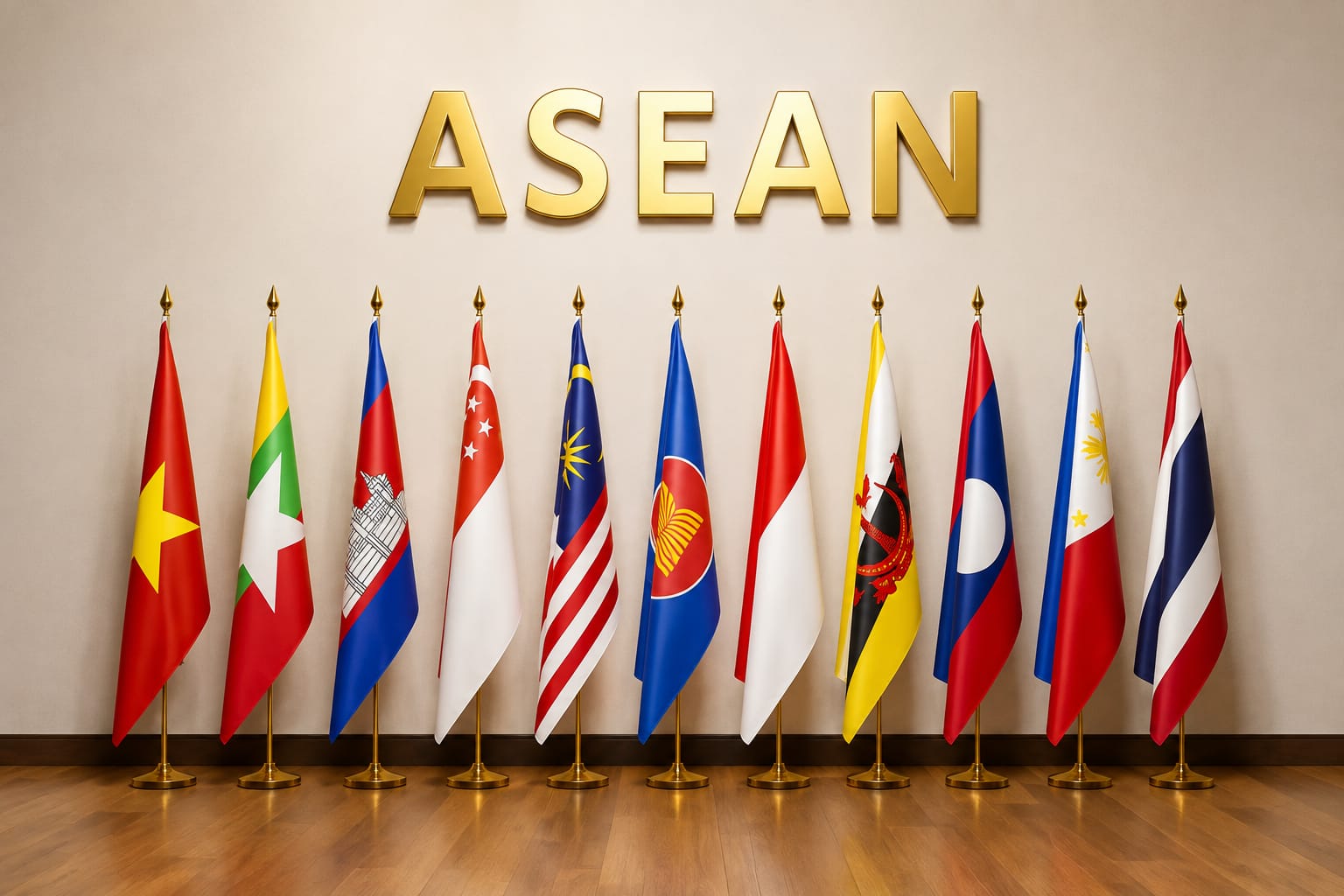
The foreign ministers of Vietnam, the Philippines, Malaysia, Indonesia and Brunei announced the establishment of the South East Asian Maritime Security Initiative on Wednesday in Manila, formalising a new security cooperation architecture that will coordinate coast guard operations, intelligence sharing and joint maritime patrol activities across the disputed waters of the South China Sea. The initiative, while carefully avoiding direct reference to China in its founding documents, is widely understood as a collective response to what the five nations describe as "escalating assertiveness" in contested maritime zones.
The New Security Architecture
The initiative establishes a permanent Joint Maritime Operations Centre in Manila, staffed by coast guard liaison officers from each of the five member states. The centre will coordinate real-time vessel tracking data, share intelligence on maritime incidents, and serve as the command hub for quarterly joint patrol operations in areas covered by the five nations' overlapping exclusive economic zone claims.
A dedicated communications network, developed with technical assistance from Japan's Coast Guard and utilising encrypted satellite communications systems, will link the Joint Operations Centre with relevant coast guard vessels and shore-based monitoring stations across member state territories. Japan, which has invested heavily in coast guard capacity building across Southeast Asia in recent years, contributed 380 million US dollars in equipment and training support to the initiative's establishment.
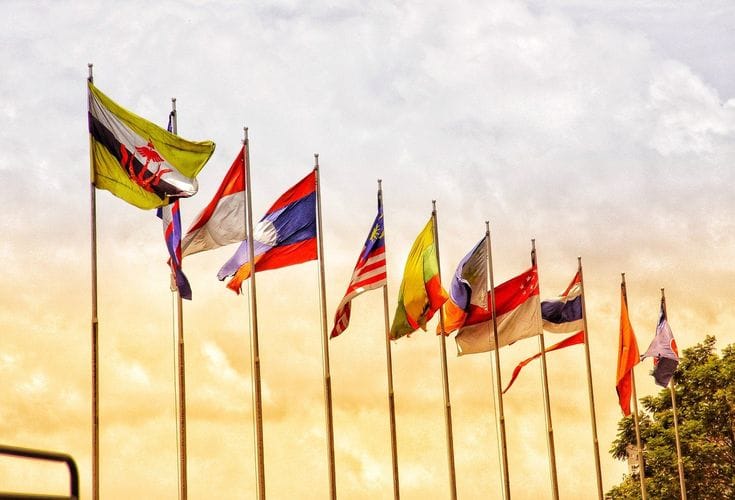
The new Joint Maritime Operations Centre in Manila will coordinate coast guard activities and intelligence sharing among five Southeast Asian nations.
The South China Sea Context
The initiative comes amid heightened tensions in the South China Sea, where the Philippine coast guard has reported an increased frequency of encounters with Chinese maritime militia vessels and coast guard ships in waters within the Philippines' exclusive economic zone. An incident in April involving a Chinese water cannon directed at a Philippine resupply vessel near the disputed Second Thomas Shoal drew international condemnation and intensified regional concern about escalation risks.
The 2016 ruling by the Permanent Court of Arbitration, which found China's extensive claims incompatible with the UN Convention on the Law of the Sea, continues to be cited by claimant states as the legal basis for their positions. China maintains that the ruling is null and void, asserting historical rights over the vast majority of the South China Sea that it demarcates with the nine-dash line.
ASEAN's Complex Position
The new initiative operates outside the formal ASEAN framework, reflecting the difficulty of achieving consensus on South China Sea matters within an association that includes Cambodia and Laos, which have historically aligned more closely with Beijing on maritime questions. The five-nation format allows the claimant states to advance their security cooperation without the unanimity constraint that has repeatedly blocked stronger ASEAN statements on South China Sea developments.
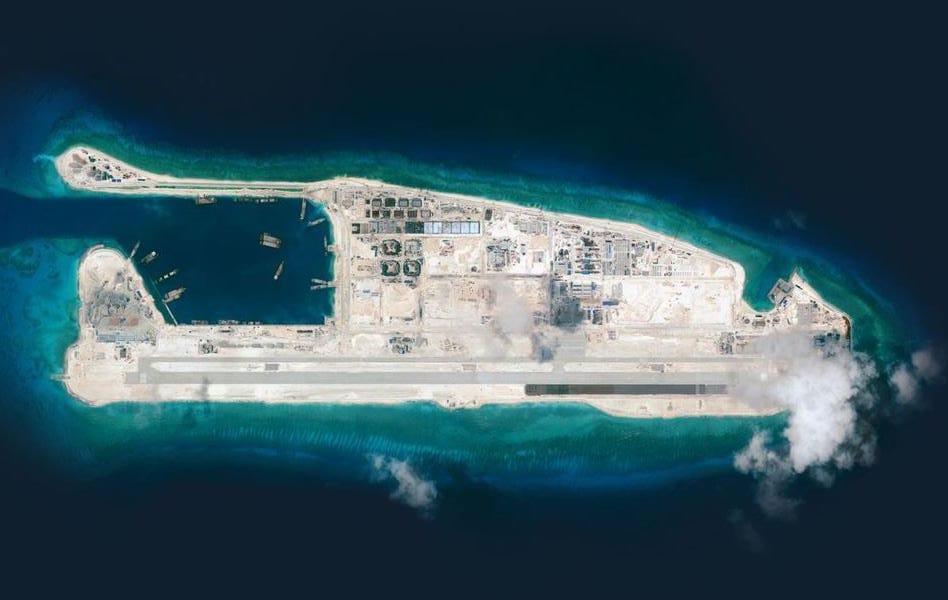
The initiative operates outside ASEAN's unanimous consent framework, allowing the five claimant states to advance security cooperation more rapidly.
Responses from Major Powers
The United States welcomed the initiative, with the State Department issuing a statement expressing support for "Southeast Asian nations exercising their sovereign rights under international law." The US Navy has maintained a regular Freedom of Navigation Operations programme in the South China Sea, which it will continue in coordination with, though formally separate from, the new initiative.
China's foreign ministry spokesperson characterised the initiative as "a provocative move engineered by external forces designed to undermine regional stability," and called on ASEAN member states to resist what Beijing described as "outside interference" in regional maritime affairs. Diplomatic analysts observe that China's response, while strong in rhetoric, has been careful not to take specific retaliatory actions that might further solidify the coalition of claimant states.
Prospects and Limitations
Defence analysts broadly assess the initiative as a meaningful enhancement of the five nations' collective maritime awareness and coordination capacity, while cautioning that it does not fundamentally alter the military balance in the South China Sea, where China's coast guard and maritime militia vastly outnumber the combined patrol fleets of the five member states. The initiative's primary value is diplomatic and political: it signals collective resolve, creates shared infrastructure for incident management, and strengthens the case for multilateral rather than bilateral resolution of maritime disputes.