

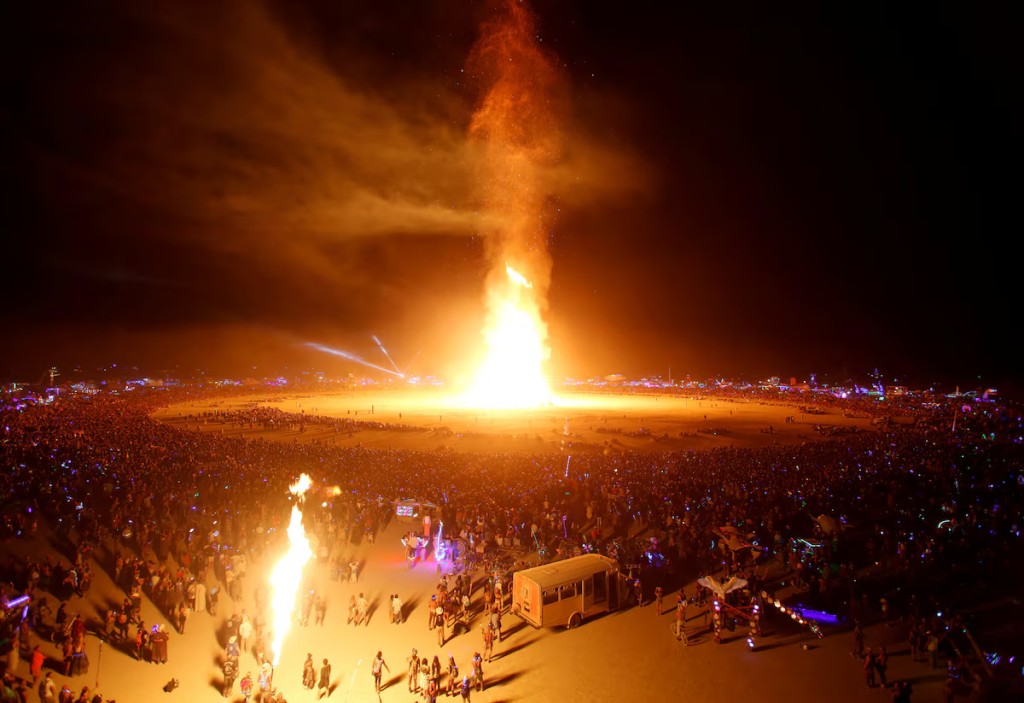
Three people died in connection with the 2026 Burning Man festival in Nevada’s Black Rock Desert, an unusually high number for an event that typically records about one death a year. Authorities have not determined the causes of death, while autopsies and toxicology testing are being carried out and investigators have said there are no current indications of foul play in the deaths reported from the festival grounds.
The deaths occurred over a period of just three days during the festival’s 40th anniversary edition, which brought tens of thousands of people to the remote Nevada desert. Sampson Tshombe was found unresponsive on September 3, Armando Ramirez died while being transported to a Reno hospital on September 4, and Craig Mann was found dead inside a trailer at the festival on September 5.
Pershing County Sheriff and Coroner Jerry Allen described the number of deaths as unusual for Burning Man. The county’s medical authorities are now examining the circumstances surrounding the fatalities, with toxicology results expected to provide further information.
Three Deaths in Three Days
The first reported death occurred on September 3, when Tshombe, a man in his 50s, was found on a street inside Black Rock City, the temporary settlement created for the festival.
Emergency personnel performed CPR before Tshombe was taken to Rampart, Burning Man’s on site medical facility. A doctor later pronounced him dead. The Pershing County Sheriff’s Office said investigators found no outward signs suggesting foul play. His remains were transferred to the Washoe County Regional Medical Examiner’s Office for an autopsy and toxicology screening.
The following day, Ramirez, 51, of Truckee, California, experienced what Burning Man officials described as a serious medical emergency during the early hours of September 4. He received emergency treatment before being transported from the festival toward Reno.
Ramirez died inside an ambulance while he was being taken to hospital. The Washoe County Regional Medical Examiner’s Office later confirmed his identity and said the cause and manner of his death remained pending additional testing. Officials also said there was no indication of foul play.
On September 5, deputies responded to another death inside Black Rock City. Mann, 60, was found dead in a trailer that he shared with his partner. Investigators again reported no apparent external signs of foul play. His body was also sent for autopsy and toxicology testing.
The three deaths were therefore not attributed publicly to a single incident or confirmed cause. Medical examiners must determine whether illness, drugs, environmental conditions, other medical circumstances or a combination of factors played any role.
Why the Death Toll Has Drawn Attention
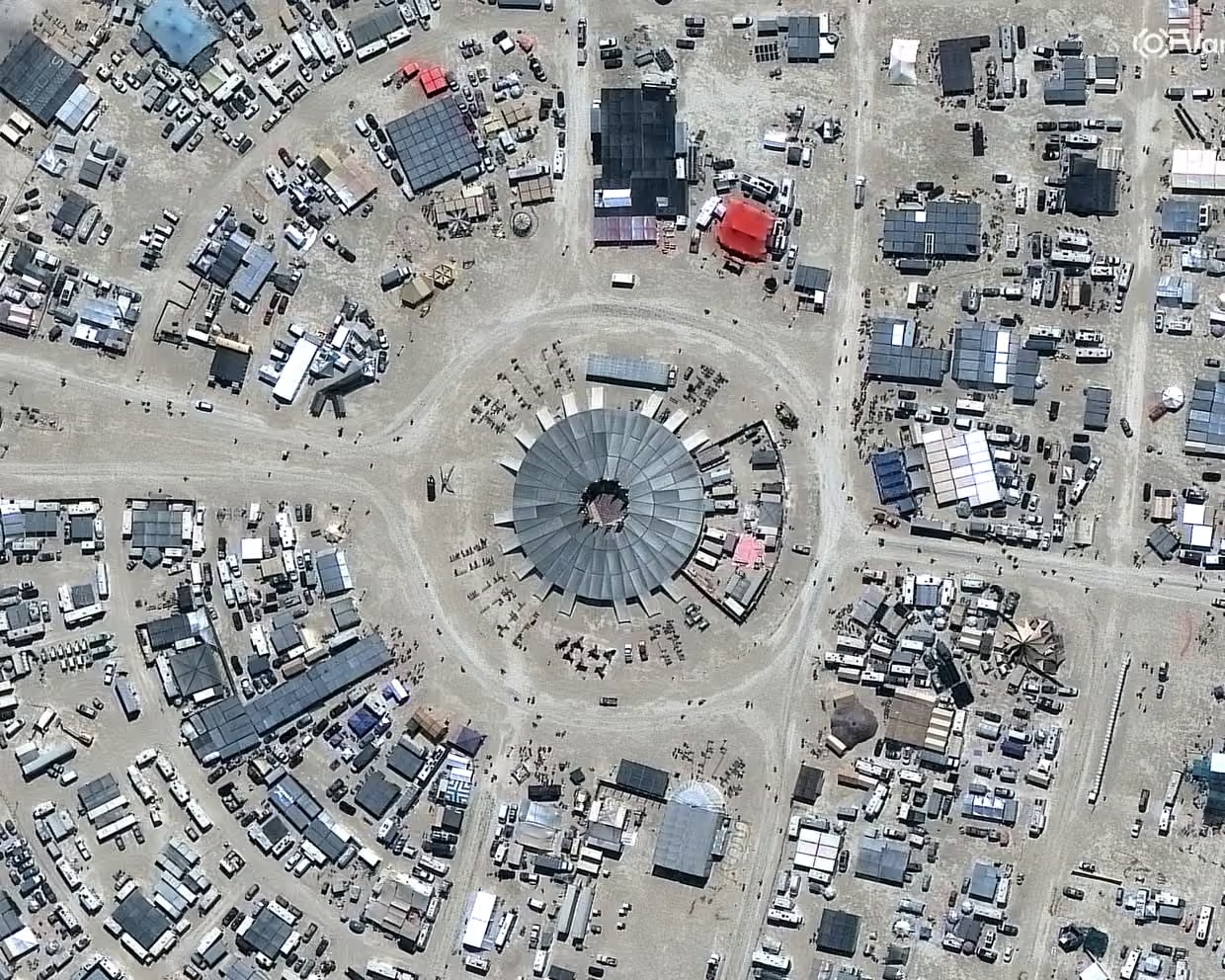
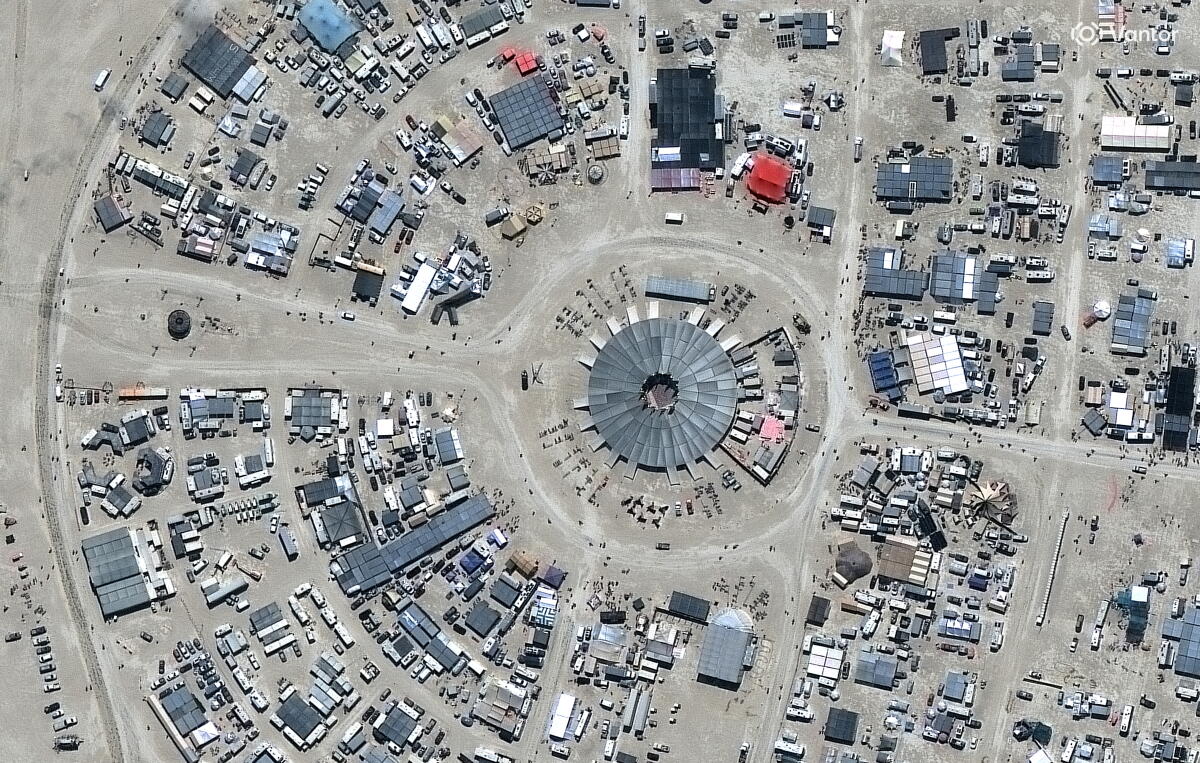
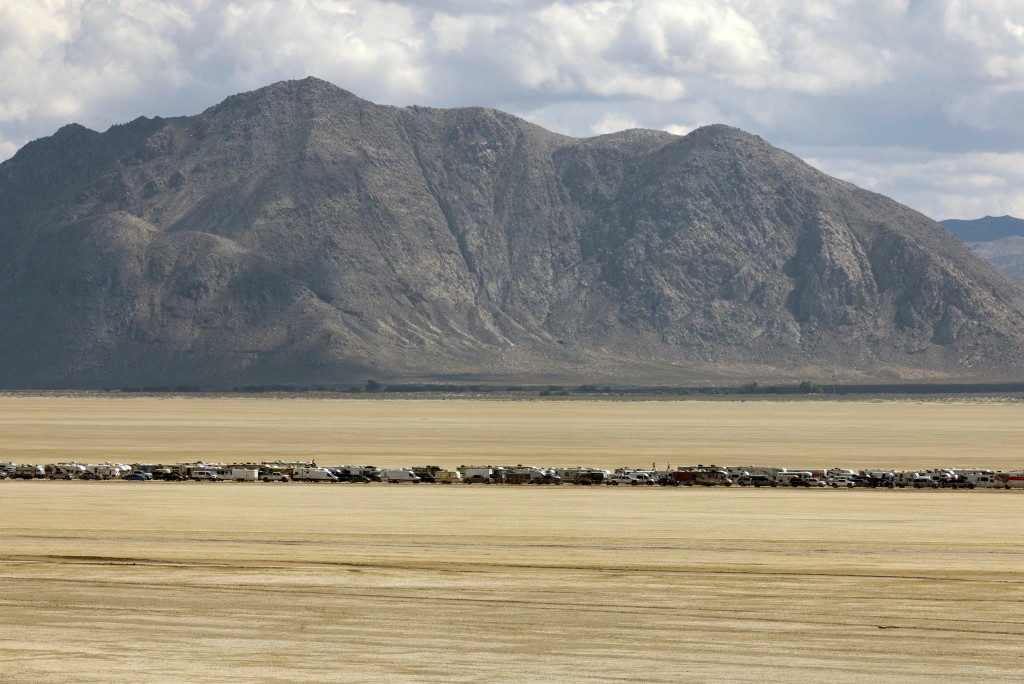
Burning Man is held in the Black Rock Desert, roughly 120 miles north of Reno, where thousands of participants build a temporary city for several days. The event combines art installations, music, performances, workshops, communal activities and elaborate themed camps.
The festival has recorded deaths in previous years, but Sheriff Allen said the normal figure is about one death per year. Three deaths connected to this year’s event therefore stand out against that longer term pattern.
The unusual figure has also renewed attention on the challenges of providing medical care at a large temporary settlement in an isolated desert environment. Participants travel from around the world and spend days in conditions that can include extreme heat, dust, long distances and limited conventional infrastructure.
At the same time, the presence of three deaths does not by itself establish that the festival environment caused them. The official medical findings are still pending.
Burning Man organisers have expressed condolences to the families, friends and campmates affected by the deaths. The organisation has also said that the three deaths appear to have been from natural causes, while stressing that official determinations remain with medical examiners.
Drugs and Other Safety Concerns
Drug use has long been associated with Burning Man’s counterculture reputation. Marijuana is legal in Nevada for adults under state law, while possession and distribution of illegal drugs remain criminal offences.
This year, authorities reported at least 34 arrests connected to suspected drug sales and trafficking. Reports also emerged of participants experiencing discomfort after consuming drinks they believed had been tampered with.
Those incidents have added another layer to safety concerns surrounding the event, although there is currently no official evidence linking the three deaths to illegal drugs.
That distinction matters. Until toxicology reports are completed, it would be premature to attribute any of the deaths to drug use.
The medical examiner’s work is expected to take several weeks. Reports on the deaths of Tshombe and Mann could take six to eight weeks to complete, according to local authorities.
A Festival Built on Radical Self Expression
Burning Man began in 1986, when Larry Harvey and Jerry James created a wooden human figure and burned it on a San Francisco beach. The original gathering was small, but the ritual became the foundation of an event that eventually moved to Nevada’s Black Rock Desert.
Over the decades, Burning Man grew into a temporary city with thousands of participants and more than a thousand camps. The programme extends far beyond the burning of the wooden effigy.
Camps can feature live music, art exhibitions, lectures, craft sessions, yoga, meditation and performances. Other areas are designed for adults and include sexual activities.
One of the most widely known adult venues is the Orgy Dome, an adults only space offering private and communal areas. Its presence has contributed to Burning Man’s reputation for unconventional behaviour, although it represents only one part of a much broader festival programme.
Participants also commonly wear elaborate costumes, body paint or very little clothing. Psychedelic drugs and marijuana are present at some camps, while art projects and large scale installations dominate other parts of the temporary city.
The result is an event that attracts people with very different backgrounds, from artists and longtime counterculture participants to wealthy technology executives.
From San Francisco Beach to Nevada Desert
The festival’s transformation has been substantial since its beginnings in San Francisco.
What started as a small gathering around a wooden effigy became a major annual event in the Nevada desert. Participants now construct an entire temporary community, complete with roads, medical services, camps, art spaces and a large network of volunteer operations.
The scale also brings significant economic activity.
Tickets can cost hundreds or even thousands of dollars, depending on the type of access and package purchased. The event generates substantial payments to government authorities and contributes economic activity to Nevada, despite taking place far from a conventional urban centre.
The festival’s relationship with government agencies is therefore more complicated than its rebellious image might suggest. Burning Man requires permits, land management arrangements, emergency services and coordination with local authorities to operate in the desert.
A Growing and Changing Community
Burning Man has also changed demographically.
The festival that once carried a strong image of a younger counterculture gathering now attracts a much broader audience. Technology executives, entrepreneurs, artists and professionals have become familiar figures at the event.
Elon Musk has attended Burning Man, while other prominent technology and entertainment figures, including Mark Zuckerberg, Jeff Bezos and Will Smith, have also been associated with the festival over the years.
That wider appeal has helped Burning Man become internationally recognised, but it has also changed the character of the gathering. The event now combines its original counterculture identity with large scale tourism, technology culture and significant commercial spending.
The 2026 deaths come against that changing backdrop.
Last year, Burning Man was also the scene of a fatal stabbing involving a 37 year old man, an incident that authorities investigated as a homicide. The 2026 deaths are different in that investigators have not reported evidence of foul play in the cases occurring inside the festival.
What Happens Next
The immediate question is not whether Burning Man is responsible for the three deaths, but what the medical evidence shows.
Autopsies and toxicology tests should establish more precise causes of death and may determine whether drugs, underlying medical conditions or other factors were involved. Until those reports are released, several possible explanations remain open.
For families of the three men, however, the festival’s statistics matter less than obtaining clear answers about what happened to their loved ones.
Burning Man will continue to attract thousands of people to the Nevada desert, but the deaths of Tshombe, Ramirez and Mann have placed renewed attention on medical preparedness, drug related risks and the responsibilities that come with operating a temporary city in an isolated environment.
As authorities wait for the medical examiner’s findings, one question remains for festival organisers and participants alike: what additional safety measures should be put in place before tens of thousands of people return to the desert for the next Burning Man?