

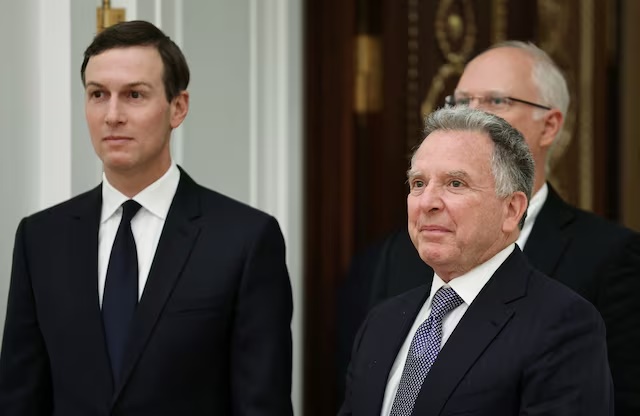
Trump Envoys Witkoff and Kushner Expected to Visit Russia and Ukraine This Weekend
US negotiators Steve Witkoff and Jared Kushner are expected to travel to Russia and Ukraine this weekend as Washington seeks to revive stalled efforts toward a peace agreement, Russia's state news agency TASS reported, citing a source familiar with the plans.
The reported trip would take the two US envoys to Russia on Saturday before they travel to Ukraine on Sunday. There was no immediate confirmation from Washington, Moscow or Kyiv that the visits had been finalised.
The possible trip comes as diplomatic efforts to end the war face major obstacles. Russia and Ukraine remain sharply divided over territory, security guarantees and the conditions under which fighting could stop after more than four years of conflict.
Witkoff and Kushner Return to Moscow
Witkoff and Kushner have taken leading roles in the Trump administration's efforts to establish a framework for ending the war.
The pair last travelled to Moscow in January, when they held lengthy discussions with Russian President Vladimir Putin at the Kremlin. Their meeting lasted about four hours and continued late into the night, according to reports at the time.
That visit formed part of a broader American attempt to establish direct communication channels with the Kremlin while maintaining contact with Ukrainian officials.
The reported weekend trip would bring those diplomatic contacts back into focus. According to TASS, the American negotiators are scheduled to visit Russia on Saturday before travelling to Ukraine on Sunday.
A separate source familiar with the planning said discussions over a visit to Ukraine were still continuing, with September 6 being considered as a possible date.
If the visit takes place, it would mark the first time Witkoff and Kushner have travelled to Kyiv as part of the current diplomatic effort.
The source said Russian officials oppose the proposed Kyiv visit and are seeking to persuade the Americans to change their plans.
The competing positions surrounding the trip illustrate the difficult diplomatic environment facing the US negotiators. Moscow and Kyiv have very different expectations about what a settlement should look like, while Washington is attempting to keep negotiations moving despite the lack of agreement on several fundamental issues.

Russia and Ukraine Remain Far Apart
The war has now continued for four and a half years, making it the deadliest conflict in Europe since the Second World War.
Russia continues to demand that Ukraine surrender additional territory as part of any settlement. Ukrainian officials have rejected terms they believe would amount to capitulation and have insisted that any agreement must protect the country's sovereignty and security.
Those differences have repeatedly complicated attempts to establish a lasting ceasefire.
For Moscow, territorial concessions remain central to its demands. For Kyiv, accepting those demands would carry major political and security consequences, particularly given the scale of territory already affected by the fighting.
The dispute is therefore not simply about stopping military operations. It also concerns what happens to contested areas, how Ukraine's future security would be guaranteed and what arrangements would prevent another conflict from breaking out.
The US has sought to act as an intermediary between the two sides, but Washington faces the difficult task of persuading each government to accept compromises that could carry significant consequences at home.
The potential weekend meetings would give the Trump administration another opportunity to test whether the two sides are prepared to move from competing demands toward concrete negotiations.
Previous Talks Have Produced Limited Progress
The last US mediated talks involving Russian and Ukrainian representatives took place in February.
Those discussions were held shortly before the United States and Israel launched a war against Iran, an event that dramatically changed the wider regional and international environment.
The conflict involving Iran introduced additional military and diplomatic pressures for Washington and other governments already dealing with the war in Ukraine.
The February talks nevertheless remain an important reference point for the current diplomatic effort. Since then, efforts to bring Russia and Ukraine closer together have continued to encounter significant disagreements.
The reported involvement of Witkoff and Kushner suggests that the Trump administration has not abandoned direct diplomacy despite those difficulties.
Witkoff has become one of Trump's most prominent diplomatic representatives, while Kushner, the president's son in law, has also been involved in sensitive foreign policy discussions.
Their roles give the administration a channel for direct communication with senior officials in Moscow and Kyiv.

A Possible First Trip to Kyiv
A visit to Kyiv would carry particular significance because it would give the American negotiators an opportunity to meet Ukrainian officials directly on their own territory.
It could also help Washington assess Ukraine's position ahead of any further negotiations with Russia.
The reported plan remains subject to change. The source familiar with the discussions said the teams were still considering September 6 as a possible date for the Ukraine visit.
No official confirmation had been issued at the time of the report.
The lack of confirmation means the precise schedule and agenda remain uncertain. It is also unclear whether the two envoys would hold meetings with Ukrainian President Volodymyr Zelenskiy or other senior government officials.
Their previous meeting with Putin in Moscow shows the level of access the envoys have sought during the diplomatic process. A comparable meeting in Kyiv would allow Washington to hear directly from Ukrainian leaders before returning to discussions with Moscow.
Moscow and Kyiv Face Different Pressures
The two governments enter any renewed diplomatic effort from very different positions.
Russia has repeatedly argued that territorial changes must form part of an eventual settlement. Ukraine has consistently rejected demands that would require it to surrender land and has sought stronger guarantees against future Russian military action.
Those positions leave little room for an easy compromise.
Any agreement would also have to address questions surrounding the status of territories controlled by Russia, the future security of Ukraine and the mechanisms needed to enforce any ceasefire.
For the Trump administration, the challenge is to persuade both sides that negotiations can produce a better outcome than continued fighting.
That task is complicated by the fact that military developments continue to influence the political calculations of both governments. Each side has an interest in improving its position before making major concessions at the negotiating table.
A diplomatic visit can therefore serve several purposes at once. It can deliver messages between governments, clarify demands, test possible compromises and determine whether a broader meeting is worth pursuing.
Weekend Diplomacy Could Shape the Next Stage
The reported schedule would place Witkoff and Kushner in Russia and Ukraine within a matter of days.
Such rapid movement between Moscow and Kyiv would allow the American team to compare the positions of both governments directly and potentially identify areas where the two sides remain closer than their public statements suggest.
But the fundamental disagreements have not disappeared.
Russia wants territorial concessions. Ukraine does not accept a settlement based on surrendering additional territory. The United States wants to bring the two sides toward an agreement, but Washington must also contend with the political and security interests of both countries.
The reported Russian opposition to a Kyiv visit adds another complication. If Moscow is seeking to influence where the American envoys travel, Washington's decision to proceed could itself carry diplomatic meaning.
For Kyiv, an American visit would also signal continued US engagement at a time when Ukraine needs clarity over the direction of Washington's peace efforts.
The next stage of diplomacy may therefore depend less on the ceremony surrounding the meetings than on whether the negotiators can identify terms that both sides are prepared to discuss seriously.
If Witkoff and Kushner make the trip as reported, their movements between Moscow and Kyiv will provide a direct test of how much room remains for diplomacy after years of fighting and repeated attempts to close the gap between Russia and Ukraine.