

Ukraine has backed US President Donald Trump’s proposed energy ceasefire with Russia while warning that it will retaliate if Moscow continues attacking its energy infrastructure. At the same time, Russia says it is advancing discussions with Washington on diesel supplies, leaving the proposed truce unconfirmed by the Kremlin as European Union ministers tighten sanctions against Russia’s military industry.
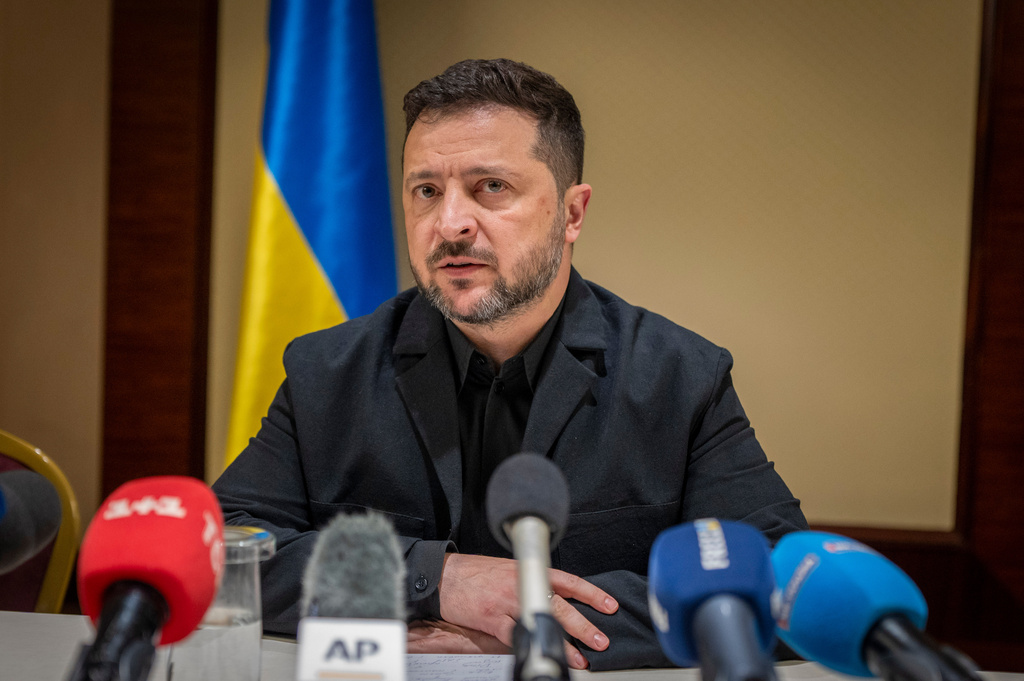
Ukrainian President Volodymyr Zelensky said on Monday that Kyiv was prepared to respect an energy truce, provided Russia did the same. He warned that Ukraine would respond if Russian attacks continued through the winter, according to the Interfax Ukraine news agency.
“This winter, if Russia does not agree to an energy truce, we will respond,” Zelensky said.
The competing statements expose the uncertainty surrounding Trump’s announcement. While Washington has presented the ceasefire as an agreement between Ukraine and Russia, Moscow has yet to confirm that it has accepted the proposal. Meanwhile, Russian officials say talks with US energy authorities and companies are progressing over a separate arrangement involving diesel supplies.
The diplomatic developments came as the EU prepared to open two additional clusters of accession negotiations with Ukraine and approved nearly 1,600 new sanctions listings targeting Russia’s military industrial complex.
Zelensky Warns Russia Over Attacks on Energy Infrastructure
Zelensky said Russian forces had struck a gas production facility and a petrol station in Ukraine overnight, even as Kyiv indicated its willingness to observe the proposed energy truce.
Ukraine has refrained from attacking Russian oil refineries, he said, and was prepared to continue doing so if Moscow agreed to reciprocal restraint.
The dispute centres on whether the proposed arrangement will translate into a mutual halt to attacks on energy infrastructure. Such a pause could reduce damage to facilities supplying fuel and electricity during winter, when interruptions can place additional pressure on households, businesses and essential services.
However, Zelensky’s statement made clear that Ukraine was not offering unconditional restraint. Kyiv’s position is that its forces would continue observing the truce only if Russia also stopped attacks covered by the arrangement.
Trump said on Sunday that Ukraine and Russia had agreed to an energy ceasefire. The Russian government had not confirmed that agreement in the supplied report, leaving questions over its scope, implementation and timing.
The report did not provide details of a formal ceasefire document, monitoring arrangements or a mechanism for handling alleged violations. Without confirmation from both sides, it remains unclear how the proposed arrangement would operate in practice.
For Ukraine, the immediate concern is whether Russian attacks on energy facilities will continue as winter approaches. Zelensky’s warning signals that Kyiv intends to retain the option of responding if Moscow does not accept reciprocal restrictions.
Russia and US Discuss Diesel Supplies
While the energy ceasefire remains uncertain, Russia says discussions with the United States over diesel supplies are moving forward.
Russian Deputy Prime Minister Alexander Novak said Russian and US energy authorities and companies were holding talks on the proposed supplies. He also said the Russian government had issued an order partially lifting a ban on diesel exports following the agreement.
Trump announced the diesel supply deal with Russian President Vladimir Putin two days before his statement about the proposed energy truce, according to the report. Under the arrangement, Russia would supply diesel fuel to the United States and global markets.
The two developments involve different aspects of energy relations. The proposed ceasefire concerns attacks on energy infrastructure during the war, while the diesel arrangement concerns fuel supplies and commercial discussions between Russia and the United States.
The announcement of a supply agreement does not, by itself, establish that deliveries have begun. Novak’s comments indicate that discussions between energy officials and companies are continuing, while the partial easing of Russia’s export restrictions represents a related government measure.
The supplied report did not specify the volume of diesel involved, the delivery schedule, prices or the companies participating in the discussions. It also did not explain how the proposed arrangement would affect existing international restrictions or other energy trade.
The juxtaposition of the two announcements nevertheless puts energy diplomacy at the centre of the latest developments. Washington is discussing fuel supplies with Moscow while Trump is also presenting a possible pause in attacks on energy infrastructure as an agreement between Russia and Ukraine.
EU Says Ukraine’s Future Lies in the Bloc
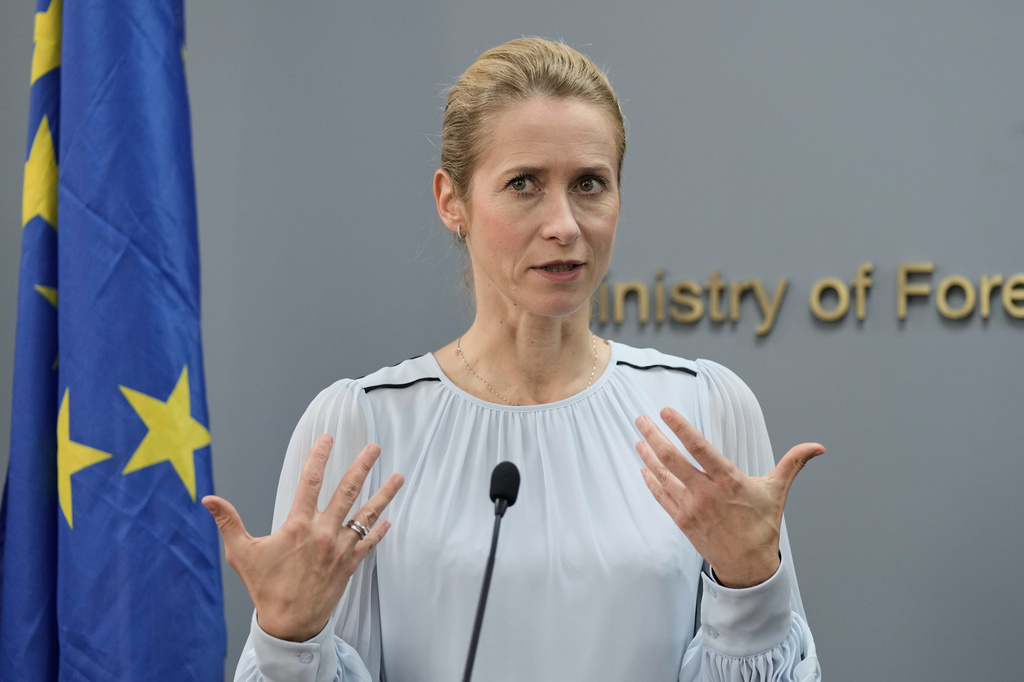
Separately, EU foreign policy chief Kaja Kallas said Ukraine’s future lies in the European Union as the country prepares to open two additional clusters of accession negotiations.
Speaking at a press conference following a meeting of EU foreign ministers in Luxembourg on Monday, Kallas welcomed Ukraine’s adoption of the legislation needed to move the process forward.
She said the legislation cleared the way for the opening of the two negotiating clusters on Tuesday. According to the Council of the EU, they cover the “Internal Market” and “Competitiveness and Inclusive Growth”.
“Ukraine’s future is in the EU,” Kallas said, adding that EU member states had indicated that the process should proceed smoothly.
The next steps form part of Ukraine’s longer path towards membership. Kyiv applied to join the EU in February 2022 and received candidate status in June that year. The bloc formally launched accession negotiations with Ukraine in June 2024.
Opening negotiating clusters allows discussions to advance across specific policy areas. It does not mean membership has been granted, nor does it establish a date for Ukraine to join the bloc.
Kallas also argued that enlargement was about more than increasing the EU’s membership. She said it could make Europe safer and strengthen its geopolitical position.
Her comments place Ukraine’s accession process within a broader European security debate, as the bloc continues to support Kyiv while imposing further measures against Russia.
EU Adds Nearly 1,600 Sanctions Listings Against Russia
EU foreign ministers also adopted nearly 1,600 new sanctions listings targeting Russia’s military industrial complex, Kallas said in a post on the social media platform X.
According to Kallas, more than half of the new listings were connected to the production chain for ballistic missiles. She described the move as the largest single expansion of the EU’s sanctions list since the Russia Ukraine conflict began.
The measures are intended to make it harder, slower and more expensive for Russia to produce weapons used against Ukraine, she said.
The focus on ballistic missile production targets a supply chain that can involve multiple companies and stages of manufacturing. Restrictions on entities connected to that process are intended to limit Russia’s ability to obtain materials, equipment or other support for weapons production.
The announcement adds another layer to the EU’s response to the war. While accession negotiations move forward for Ukraine, European governments are also seeking to restrict Russia’s military production capabilities.
The supplied report did not provide the names of the newly listed entities or a breakdown of the measures imposed on each one. It therefore remains unclear from the announcement alone how individual companies or organisations will be affected.
Kremlin Questions Ukraine’s Proposed 60 Day Ceasefire
Russian officials also challenged Ukraine’s intentions regarding a separate proposal for a 60 day ceasefire.
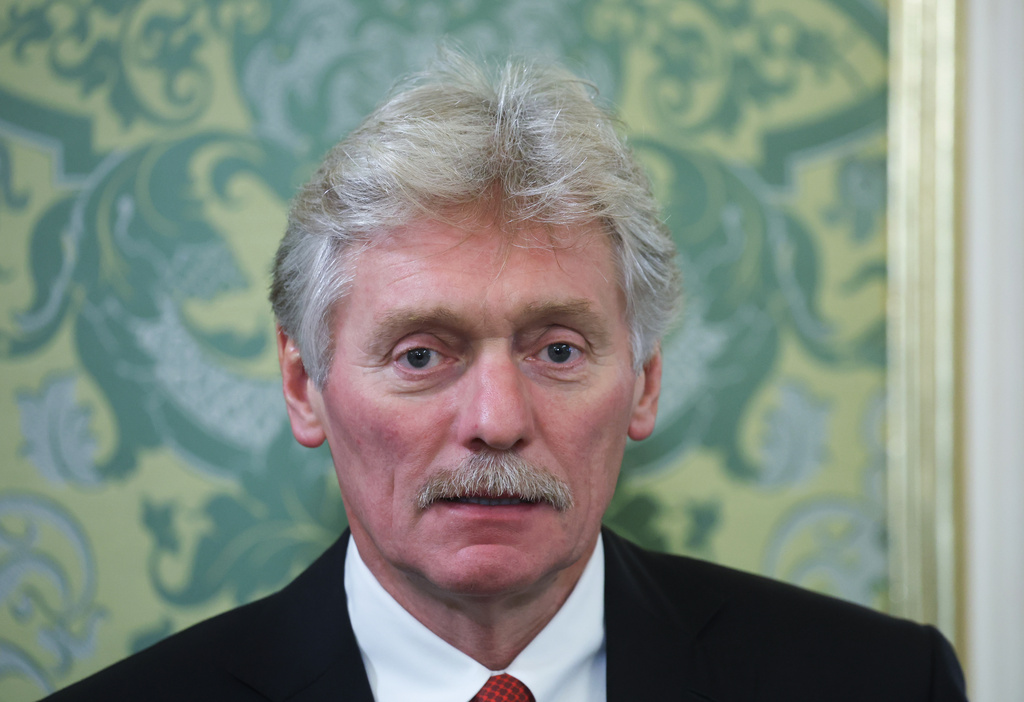
Kremlin spokesman Dmitry Peskov said on Monday that Kyiv wanted the pause to regroup its forces and prepare to continue fighting rather than organise an election.
“Kyiv does not really want to hold elections, which is absolutely obvious. It needs a 60 day ceasefire not for elections, but to gather its strength, heal its wounds and continue the war,” Peskov said in comments published on the Kremlin’s social media channel.
His statement presented Moscow’s interpretation of Ukraine’s proposal. The supplied report did not include a response from Kyiv to that specific allegation.
Peskov also said Putin would be prepared to order Russian forces not to strike Ukraine on election days if the Ukrainian government genuinely intended to hold a presidential election.
The comments introduce another point of disagreement between the two governments. Although the energy truce concerns attacks on energy infrastructure, the separate 60 day proposal discussed by Peskov relates to a broader pause in fighting and the question of elections.
The report did not establish that the two proposals were part of a single agreement or that the Kremlin had accepted either arrangement in full.
Russia Reports Strikes on Ukrainian Logistics and Cargo Ships
Meanwhile, Russia’s Defence Ministry said Russian forces had continued attacks on Ukrainian logistics centres, port infrastructure and ships allegedly involved in delivering military supplies.
The ministry said a logistics centre operated by Ukrainian postal company Nova Poshta in Ternivka, in the Mykolaiv region, had been hit. It claimed the facility stored dual use goods intended to support Ukraine’s armed forces.
The ministry also reported that a dry cargo ship carrying military supplies to the port of Mykolaiv had been struck at sea. It said another dry cargo ship transporting military and dual use goods to the port of Odesa had also been hit.
These details were presented as claims by Russia’s Defence Ministry. The supplied report did not include independent verification of the targets, the cargoes or the extent of the damage.
The reported attacks are significant to the ceasefire debate because they concern the movement of supplies and infrastructure supporting Ukraine’s wartime operations. They also illustrate the difficulty of establishing a broader reduction in hostilities while military activity continues.
Energy Truce Remains Uncertain as Diplomacy Continues
The latest developments leave several diplomatic tracks moving at once. Ukraine says it is willing to respect an energy ceasefire if Russia agrees to reciprocal restraint, while Moscow has not confirmed Trump’s claim that both sides accepted the arrangement.
Russia and the United States are discussing diesel supplies, according to Novak, while the EU is advancing Ukraine’s accession negotiations and expanding sanctions against Russia’s military industrial sector. Meanwhile, Russian officials continue to question Kyiv’s intentions over a proposed 60 day ceasefire.
The immediate test for the proposed energy truce will be whether both sides confirm its terms and stop the attacks covered by the arrangement. Until that happens, Ukraine’s warning of retaliation remains in place.
Will Russia formally accept the energy truce, and what measures could ensure that both sides honour it?