
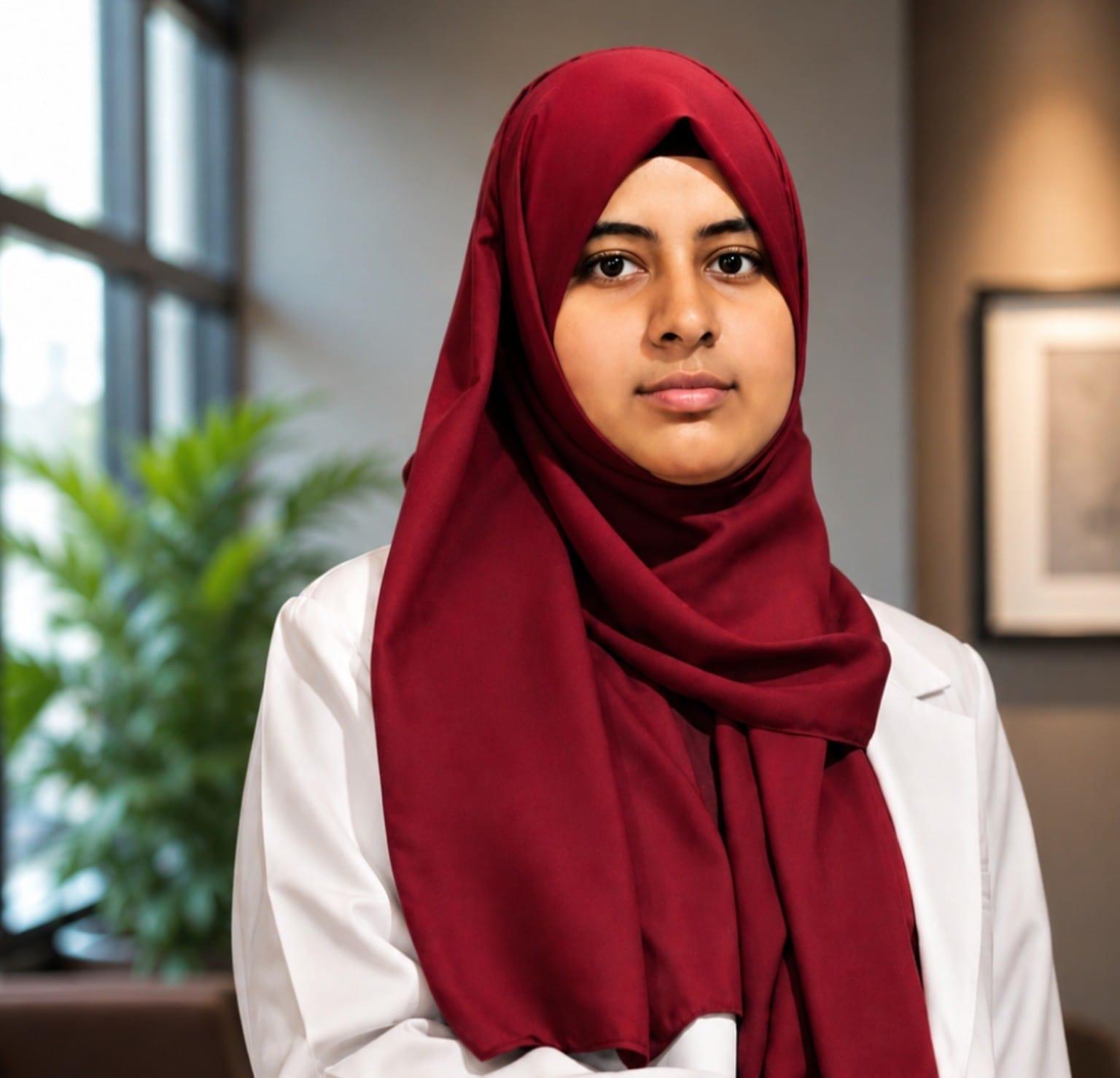

Girls are enrolling in schools in greater numbers than ever before, but millions still struggle to finish their education because of early marriage, pregnancy, poverty and inadequate school facilities. A new UNESCO report says global progress towards gender equality in education is substantial, yet the opportunities available to girls still depend heavily on where they live and the circumstances into which they are born.
The United Nations Educational, Scientific and Cultural Organization published its 2026 Global Education Monitoring (GEM) Gender Report ahead of the International Day of the Girl Child on October 11. The findings show that gender parity in enrolment has been achieved globally from pre primary through upper secondary education. However, equal enrolment does not necessarily mean that girls and boys have the same chance of completing school.
For girls who marry young or become mothers during adolescence, remaining in education can become particularly difficult. School policies may allow them to return, but financial pressure, inadequate childcare, unsafe journeys and discrimination can still prevent them from continuing their studies.
Global progress in girls' education varies by country
The report documents significant improvements in educational access over recent decades. Several countries have reduced or reversed earlier gaps between girls and boys, demonstrating that sustained educational investment and changes in policy can improve outcomes.
In Nepal, the gap between girls and boys completing lower secondary education narrowed by 33 percentage points between 1990 and 2024. Saudi Arabia reduced its gender gap in tertiary education enrolment by three quarters between 2006 and 2022.
Cambodia recorded another notable shift. In 1981, girls lagged behind boys by 22 percentage points in primary school completion. By 2024, girls were ahead by 11 percentage points.
Costa Rica also made progress at the upper secondary level. The completion gap favouring girls decreased from 12 percentage points in the 2011 to 2017 period to seven percentage points between 2018 and 2024.
These figures show that educational disparities can change considerably over time. They also demonstrate why governments need to examine school completion, not simply the number of children who register at the beginning of an academic year.
However, national averages can conceal serious disadvantages among poorer families and rural communities.
In Angola, girls from the wealthiest households have achieved parity with boys, but among the least privileged households, only 30 girls complete upper secondary education for every 100 boys. India presents a different but related problem. Although urban areas have reached parity, only 59 girls complete upper secondary education for every 100 boys in rural areas.
The figures show that gender equality cannot be assessed through enrolment statistics alone. Household income, access to schools and local social conditions continue to shape whether girls can complete their studies.
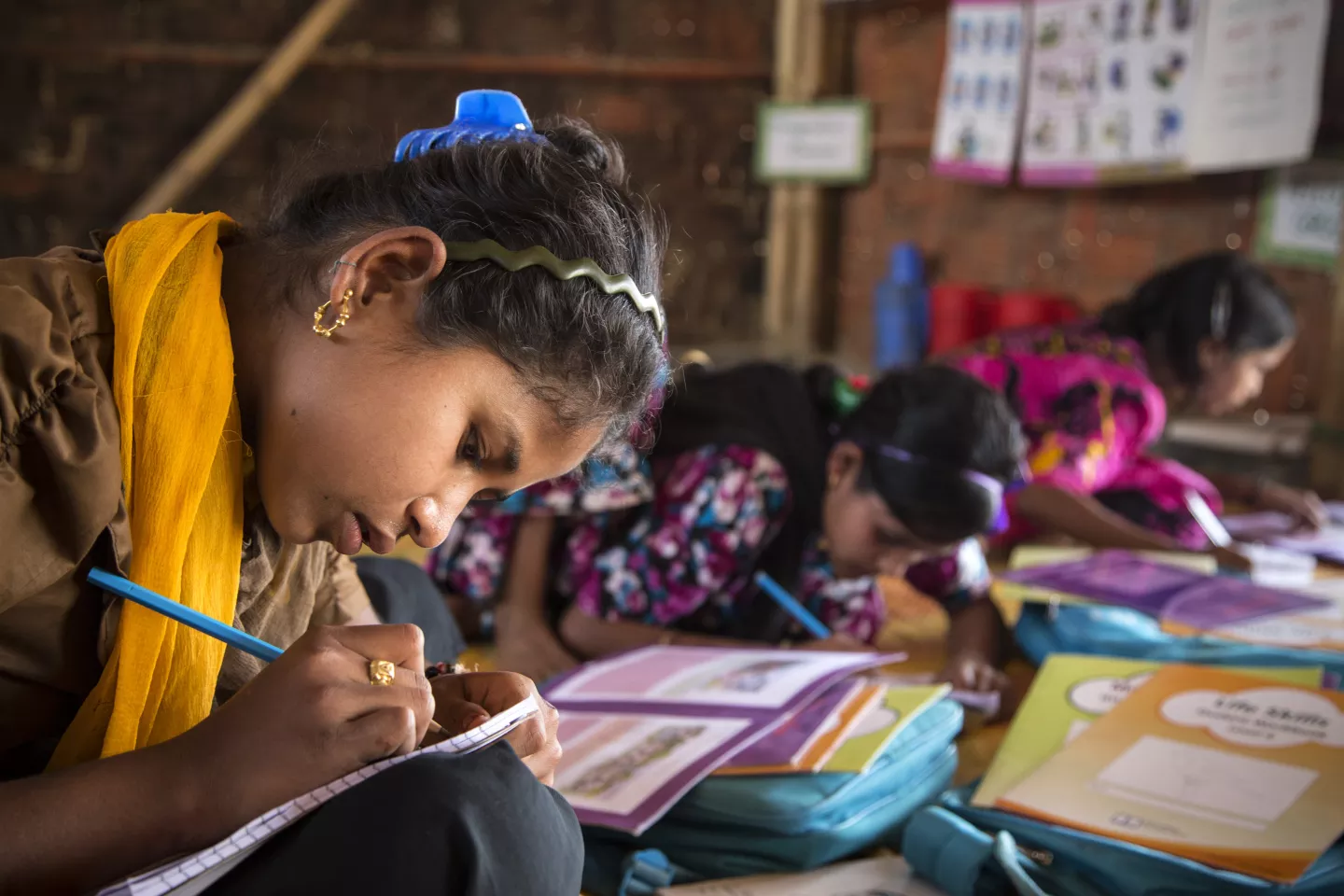
Early marriage continues to interrupt girls' education
Child marriage remains one of the most persistent barriers to educational progress.
According to UNESCO, the proportion of girls who marry before reaching 18 fell from 25% in 2000 to 18% in 2025. Despite that improvement, the rate remains high in several regions. It stands at 25% in Central and Southern Asia and 31% in sub-Saharan Africa.
Marriage during adolescence can bring new responsibilities that conflict with school attendance. Girls may be expected to manage household duties, care for family members or leave education to raise children. Some face pressure from relatives to prioritise marriage over qualifications and employment.
Early pregnancy can create additional difficulties. A student may miss classes because of health needs, lose access to school after giving birth or struggle to return while caring for a child.
The scale of the problem in sub-Saharan Africa is particularly concerning. UNESCO estimates that six million pregnant adolescents and young mothers aged 10 to 19 were out of school in the region in 2024. Fewer than 5% of pregnant and parenting girls there return to education.
That low return rate suggests that access to school before pregnancy is only part of the challenge. Education systems must also provide realistic opportunities for young mothers to resume their studies without facing exclusion or insurmountable practical barriers.
Laws are changing, but protection remains uneven
Some governments have begun removing rules that previously prevented married girls, pregnant students and young mothers from attending school.
The Central African Republic, Tanzania, Cameroon, São Tomé and Príncipe, Sierra Leone and Togo have ended bans on education for married, pregnant and parenting girls and women, according to UNESCO.
In Eastern and Southern Africa, nine in ten countries surveyed have introduced policies intended to help pregnant and parenting adolescents continue their education or return after an interruption.
These changes matter because exclusion can turn a temporary interruption into a permanent loss of educational opportunity. Allowing a student to return gives her a chance to complete school, pursue further training and improve her future employment prospects.
Nevertheless, legal protection remains incomplete worldwide.
UNESCO's 2026 figures indicate that 58% of countries guarantee the right to education without discrimination based on sex or gender in their legal frameworks. Only 35% explicitly protect the educational rights of pregnant and parenting girls.
The difference points to a gap between broad commitments to equality and laws that address the particular circumstances facing young mothers.
Governments must ensure that school rules do not punish girls for becoming pregnant or marrying. They also need clear procedures for re-enrolment, protection against discrimination and practical support that allows students to balance education with parenting.

Transport costs, childcare and safety create further barriers
Even where laws permit girls to return to school, everyday expenses can make attendance impossible.
Transport is one example. Families struggling to pay for food, rent and other necessities may be unable to cover regular journeys to school. A girl who lives far from the nearest institution may have no affordable way to attend classes consistently.
Childcare presents another problem for young mothers. Without a safe and affordable place for their children during lessons, girls may have to choose between attending school and providing care.
School facilities also affect attendance. Inadequate toilets, limited access to clean water and poor sanitation can create particular difficulties for adolescent girls and young mothers. Schools that fail to meet these needs may discourage attendance even when education is legally available.
Safety matters as well. Long journeys, unsafe routes and the risk of harassment can make travelling to and from school difficult for girls and their families.
Stigma adds another layer of pressure. Students returning after pregnancy or marriage may face judgement from classmates, teachers or members of their communities. Fear of humiliation or discrimination can discourage them from returning, even when they want to continue studying.
UNESCO points to evidence from Burkina Faso showing that the construction of schools designed to meet girls' needs increased enrolment by 19 percentage points overall, with larger gains for girls. The example suggests that school infrastructure and the learning environment can influence whether educational opportunities translate into actual attendance.
UNESCO calls for stronger support and better monitoring
UNESCO is urging governments to combine legal reforms with practical measures that help girls enter, remain in and complete education.
Its work includes policy advice, technical assistance, training, data collection, monitoring and cooperation with national governments and other partners.
Through the Our Rights, Our Lives, Our Future programme, UNESCO has worked with education ministries in 35 countries to expand comprehensive sexuality education. The programme aims to help young people make informed decisions about their health, relationships and futures.
Access to accurate, age-appropriate information can help young people understand reproductive health and make decisions that affect their education. However, educational programmes need support from families, schools, health services and public institutions to address the wider circumstances that lead girls to leave school.
UNESCO also works in Afghanistan, where an estimated 2.4 million girls and women remain deprived of their fundamental right to education. Its programmes provide alternative learning opportunities through community-based education, literacy classes, skills development and psychosocial support.
The organisation's Her Education, Our Future initiative also shares evidence, supports cooperation and promotes policies intended to expand educational opportunities for girls and women.
These efforts reflect the need for solutions that respond to local conditions. A transport subsidy may help a girl living far from school, while another student may need childcare, flexible learning arrangements or protection from discriminatory school rules.
Governments also need reliable information about who leaves school and why. Data broken down by gender, household income and rural or urban location can reveal inequalities hidden by national averages and help officials direct resources towards communities facing the greatest barriers.
Why keeping girls in school matters
Completing an education can expand a girl's choices in employment, further study and family life. It can also improve her ability to make informed decisions and participate in her community.
When girls leave school early, they may lose access to qualifications that could help them secure paid work and greater financial independence. The effects can extend beyond the individual, particularly when limited educational opportunities contribute to continuing cycles of poverty.
The UNESCO report shows that countries can reduce gender disparities, but progress in enrolment must be matched by measures that support completion. Girls who become pregnant or marry young should not automatically lose their chance to study, and families should not have to choose between essential expenses and a daughter's education.
As governments mark the International Day of the Girl Child on October 11, the findings put a clear question before education authorities: What practical steps should your country take to ensure that every girl can complete her education, regardless of her income, location or family circumstances?